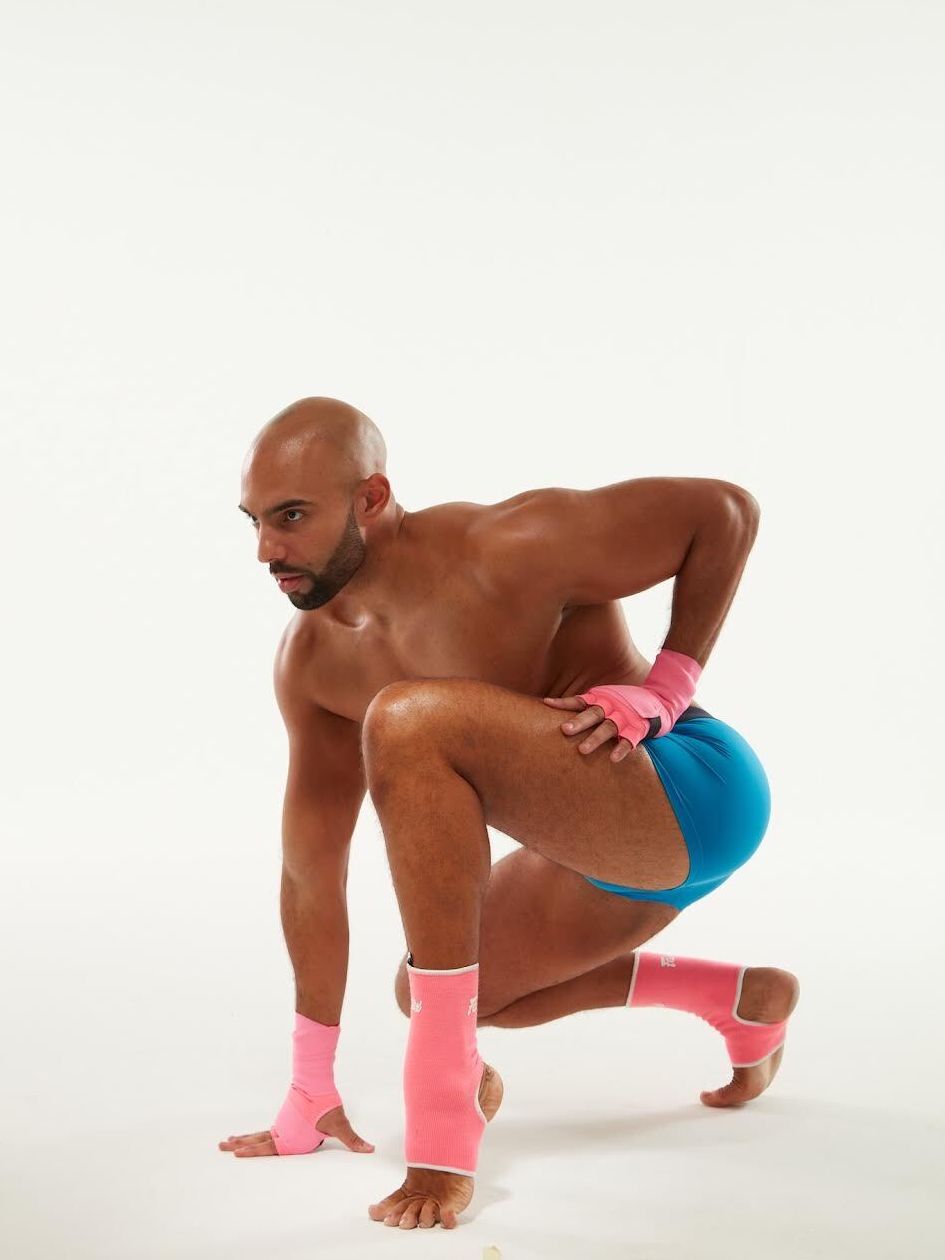
The internet has a habit of flattening complex identities into digestible, often polarizing, memes. Brian Michael Hinds, known to his growing fanbase as Bottom G, recently found himself caught in this exact phenomenon. While some social media users have been quick to label him as a "Gay Andrew Tate," Hinds is working hard to prove that his persona is built on much more than just a provocative name.
The controversy reached a boiling point during a viral livestreamed blackjack game for Duel. Rather than the gambling itself being the draw, it was Hinds’ unmistakable energy that captured the spotlight. His performance—featuring sudden musical outbursts, energetic dancing, and playful interactions with assistants—offered a sharp contrast to the stoic, hyper-masculine swagger typically associated with Andrew Tate.
The Strategy Behind the Bottom G Persona
Hinds isn't just stumbling into viral moments; he is leveraging a calculated approach to digital branding. By utilizing a name that functions as a direct inversion of "Top G," he has carved out a unique niche that addresses themes of masculinity and queerness through humor and performance.
His rise to prominence can be attributed to several key pillars:
- Musical Foundation: Before the viral clips, Hinds established himself as a professional singer and dancer, using international performances to build his technical skill.
- Strategic Branding: He uses the "Bottom G" moniker to reclaim space in online discourse, turning a potentially controversial comparison into a tool for self-definition.
- High-Energy Content: His use of unexpected choreography and comedic timing allows his content to transition from niche circles to mainstream visibility.
- Community Loyalty: By maintaining an authentic connection with his audience, he fosters a fanbase that values his individual artistry over the memes surrounding him.
Redefining Authenticity in the Digital Age
The fascination with Bottom G highlights a broader shift in how internet fame operates. In modern digital spaces, visual cues and "vibes" often outweigh actual context. Hinds understands this duality; he embraces the resemblance to Tate to grab attention but uses that attention to showcase his own creative autonomy.
This phenomenon has significant implications for the future of influencer culture and brand engagement:
- The Value of Charisma: Modern audiences are increasingly prioritizing relatability and raw performance over polished, traditional perfection.
- Monetization Potential: The ability to turn niche aesthetics into revenue streams—seen through collaborations with casinos and music festivals—proves that distinct identities are highly marketable.
- The Complexity of Parody: As the lines between parody and imitation blur, creators must navigate the ethical challenges of being associated with controversial figures.
Beyond the Viral Cycle
As he moves forward, Hinds is focused on proving that his artistry extends far beyond a single viral moment. With a forthcoming album and new experiments in fashion on the horizon, he is clearly committed to building a long-term career.
Ultimately, the narrative of Bottom G serves as a masterclass in digital agency. By asserting control over how he is perceived, Hinds has turned a potential branding liability into a global asset. In an era where identity is often reduced to a headline, he is proving that purposeful storytelling can turn ambiguity into authority.