The landscape of wearable computing has undergone a massive transformation, moving from isolated trackers to deeply integrated ecosystems. In the early days of fitness wearables, devices could measure basic metrics like steps and heart rates, but they offered very little in the way of actionable insight. Today, as health data migates toward more sophisticated platforms, Google is making its next major move.
Five years after acquiring Fitbit, Google is officially rebranding the Fitbit app to Google Health. This shift signals a strategic pivot away from proprietary silos and toward a unified, AI-driven wellness solution that promises to bridge the gap between hardware and holistic care.
The Vision Behind the Google Health Rebrand
The transition to Google Health represents more than just a name change; it is an evolution of how we interact with our personal biometric data. By moving away from the Fitbit-centric identity, Google aims to create a central hub for digital well-being that leverages advanced machine learning.
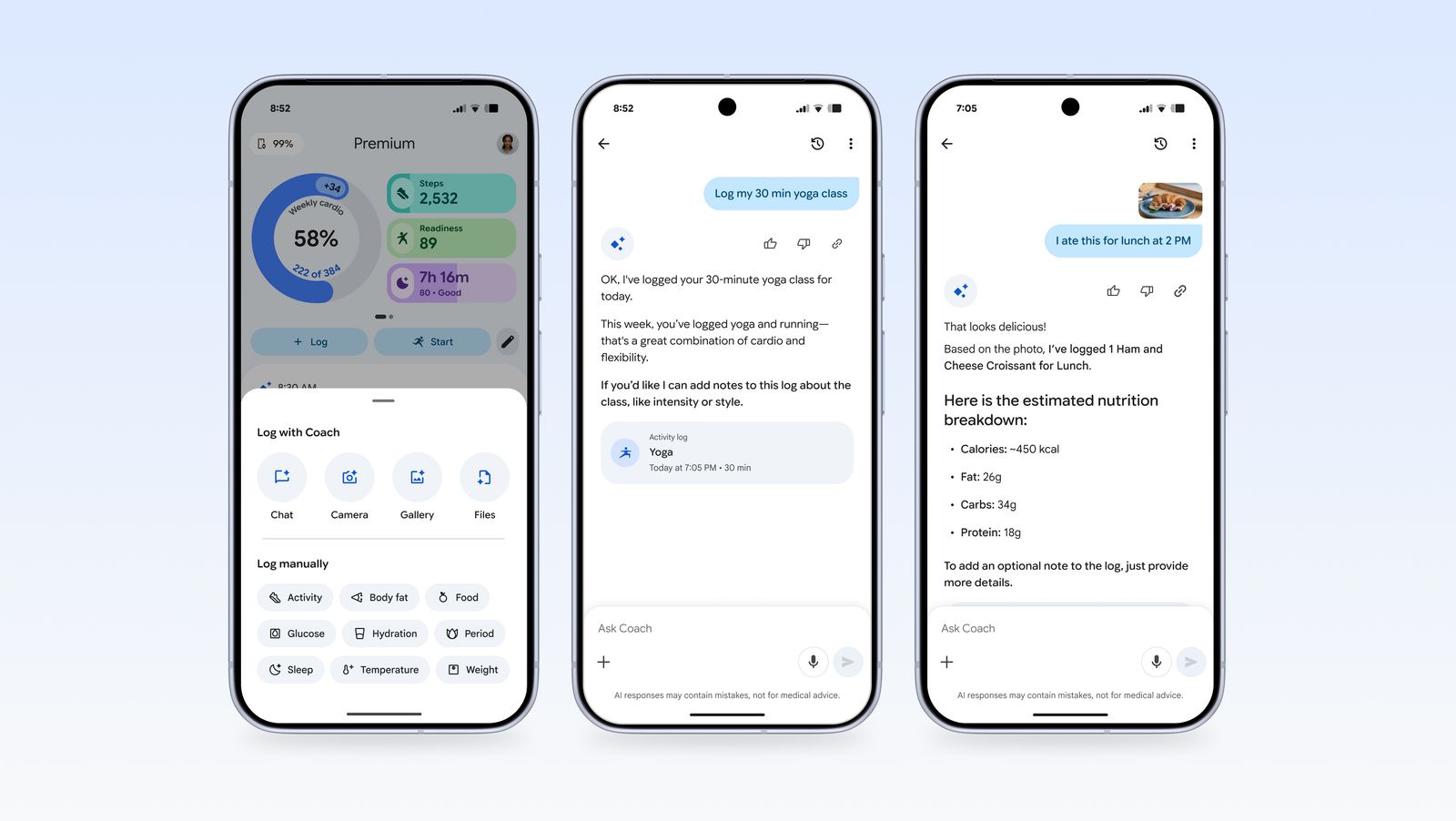
A core component of this new era is the Health Coach, which utilizes Gemini models to interpret medical records and generate personalized wellness plans. This feature allows users to query their health data with scientific rigor, turning raw numbers into meaningful lifestyle adjustments.
Key features driving adoption within the new ecosystem include:
- Unified Coaching Experience: AI-driven insights that answer complex health queries and provide custom fitness guidance.
- Seamless Device Integration: Full support for Health Connect and Apple’s HealthKit, allowing for cross-platform data aggregation from devices like the Pixel Watch and Fitbit Air.
- Advanced Analytics: Sophisticated tracking of sleep stages, nutrition logs, and recovery metrics powered by AI.
- Google Health Premium: A subscription tier that unlocks deeper sleep analysis, adaptive fitness plans, and proactive health alerts.
Strategic Implications for the Future of Digital Health
As Google integrates Fitbit into the broader Google Health identity, the company is positioning itself as a platform orchestrator rather than just a hardware vendor. The strategy focuses on data interoperability—ensuring that your health information is useful regardless of which wearable device you choose to wear.
However, this transition is not without its challenges. To maintain user trust, Google must address critical hurdles:
- AI Accuracy: Refining the Health Coach to minimize the risks of "hallucinations" in medical contexts.
- Privacy and Control: Prioritizing transparency and user data control as health records become more integrated with cloud services.
- Competitive Pressure: Matching Apple's continuous investment in features like medication tracking and advanced health monitoring.
The rollout, which began on May 19, serves as a launchpad for deeper integration across the Google ecosystem. As the industry moves toward a future of proactive, preventative care, the success of Google Health will depend on its ability to balance high-level engagement with scientific credibility.