The fitness tracker market is facing an unexpected shift as Google introduces its first screenless wearable, signaling a new era in biometric data collection and user engagement. With the launch of the Fitbit Air (2026), Google is making a bold pivot away from visual-centric design, moving toward pure functionality.
By eliminating displays entirely, Google is challenging the entrenched expectations of a sector dominated by glossy screens and constant notifications. This move raises critical questions about how users will adapt to a device that communicates solely through subtle haptic feedback and companion mobile apps.
A Minimalist Revolution with Fitbit Air (2026)
The design philosophy behind the Fitbit Air focuses on hardware simplicity and deep ecosystem integration. Instead of distracting the user with wrist-based alerts, the device prioritizes seamless data flow into the Google ecosystem.
Key features of the new wearable include:
- Hardware Simplicity: The Air forgoes traditional displays in favor of an ultralight chassis and modular bands designed for 24/7 wear.
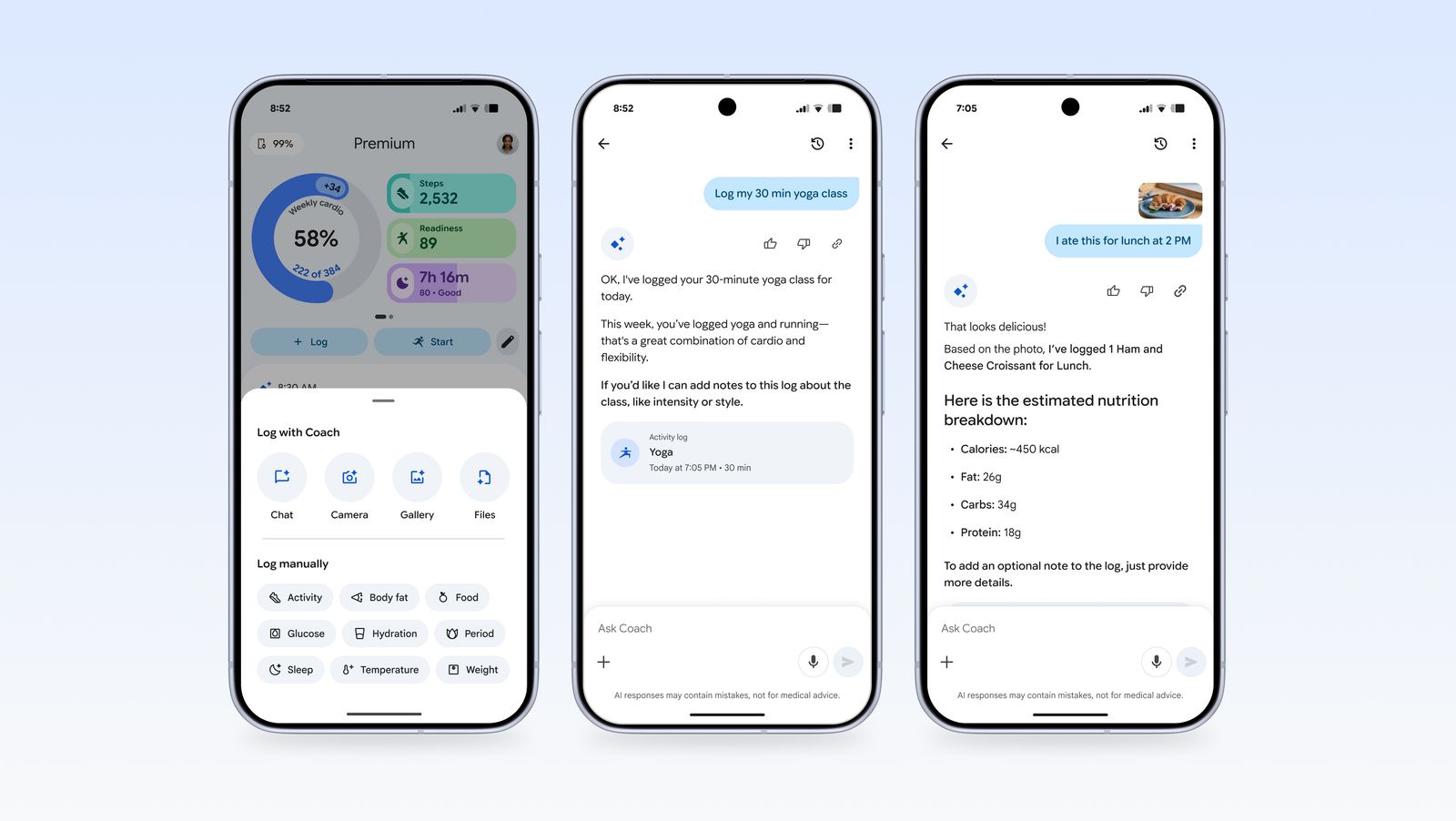
- Gemini-Powered Analytics: It syncs deeply with Google Health Coach, leveraging advanced AI to translate raw biometric data into personalized routines and recovery guidance.
- Accessible Pricing: Priced at $100, it sits in the same competitive tier as budget trackers like the Inspire 3, yet provides a much more sophisticated sensor suite.
The absence of on-wrist visuals eliminates digital distraction but demands that users trust subtle feedback loops. For athletes accustomed to real-time metrics, this could feel liberating; however, for others, it may require a fundamental shift in how they interpret health data.
Strategic Implications for the Wearable Market
Google’s focus on health coaching over interface innovation reflects a broader industry trend: modern wellness is increasingly about context rather than just quantification. By bundling the Fitbit Air with services like Health Premium, Google is reinforcing its ecosystem lock-in while expanding access to sophisticated guidance across both Android and iOS platforms.
This strategy differentiates Google from its primary competitors:
- Apple Watch continues to lean heavily on third-party app integration and visual richness.
- Whoop emphasizes community-driven insights and performance metrics.
- Google is betting on unifying disparate data streams into actionable, AI-driven advice.
While early tests suggest the Air’s 7-day battery life and 5 ATM water resistance address practical user concerns, questions persist regarding long-term engagement without visual prompts.
As fitness tech evolves toward proactive care, Google’s screenless experiment underscores a fundamental question: can technology succeed by asking us to look less closely? While skepticism remains regarding mass adoption, the Fitbit Air signals an ambition to redefine the human interface with health data—prioritizing substance over spectacle.