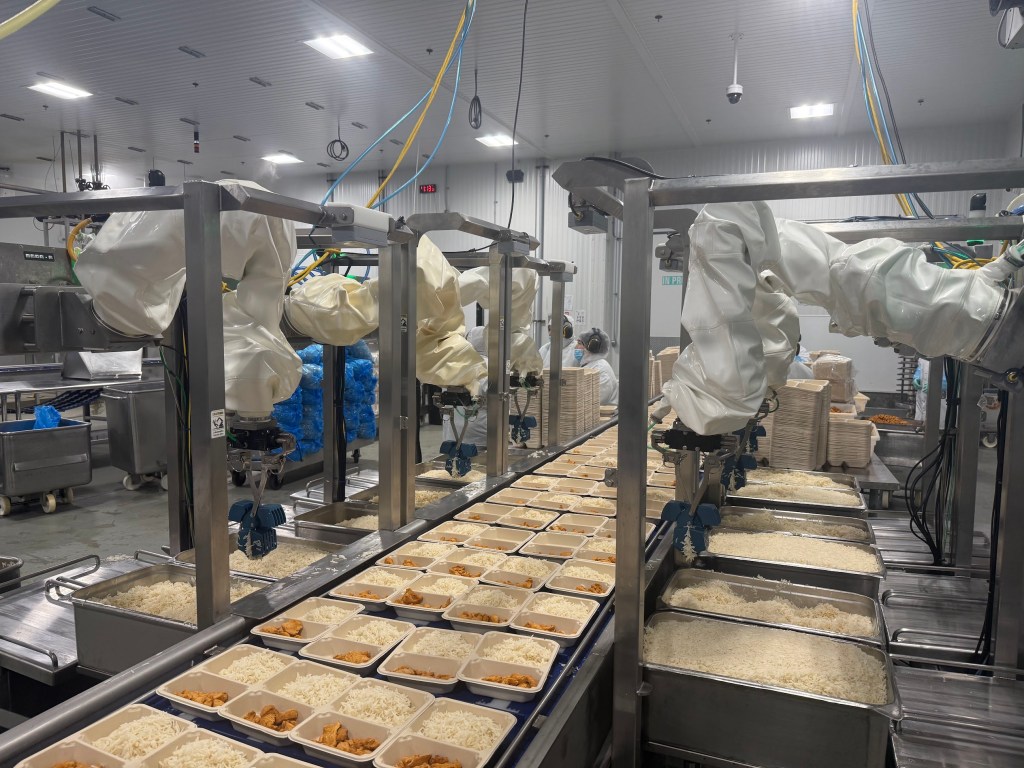
A robotic arm moves with calculated precision, depositing a single, measured portion of food into a meal tray within a sterile manufacturing facility. This is not the chaotic environment of a busy downtown bistro, but rather the controlled landscape of industrial food production where Chef Robotics is finding its stride. While the dream of fully automated restaurants has frequently ended in bankruptcy, this corner of the industry is seeing a resurgence through strategic technical refinement.
Escaping the Automated Food Graveyard
The history of automated culinary technology is littered with high-profile failures. The industry has long been described as a startup graveyard, where ambitious ventures attempt to replicate human dexterity only to collapse under operational complexity.
Notable examples include Chowbotics, a salad-making startup that was ultimately shuttered by DoorDash, and Zume, a massive $400 million project aimed at disrupting pizza delivery that failed spectacularly in 2023. These ventures shared a common flaw: they attempted to automate processes that fundamentally require the nuance of a sentient brain and the dexterity of opposable thumbs.
How Chef Robotics Scaled via Industrial Integration
Chef Robotics has navigated around these pitfalls by fundamentally altering its target market. Instead of tackling the high-variance environment of fast-casual dining, where kitchen chaos is constant, the company pivoted toward food manufacturing. By focusing on large-scale, institutional production, the company found a way to apply automation where variables are manageable and volume is much higher.
The success of this pivot is evidenced by the company's recent milestone: reaching 100 million servings. In this context, a "serving" is defined as a single component—such as a portion of protein or sauce—deposited into a meal tray. This strategy allows the technology to focus on repetitive, high-volume tasks rather than plating complex meals in a restaurant setting.
Major Partners in the Production Line
By integrating into existing manufacturing workflows, the company has secured contracts with major enterprise-level clients. Current partners include:
- Amy's Kitchen, a staple in the organic food market.
- Chef Bombay, a leader in prepared ethnic cuisine.
- Large-scale school lunch providers across the country.
- Major airline catering companies operating in the "smaller kitchen" segment.
This integration allows the company to avoid the overhead and unpredictability of the consumer-facing restaurant industry while providing essential labor relief in high-demand environments.
Training AI for the Unpredictable Nature of Food
The true value of this industrial approach lies in the data. Every one of those 100 million servings provides a new data point for the Chef Robotics AI models. Food presents a unique challenge for robotics because it is inherently slippery, malleable, and unpredictable. Unlike standardized metal parts on an assembly line, a piece of cooked meat or a dollop of sauce does not maintain a consistent shape.
To combat this, the company uses the massive dataset generated from its operations to train models specifically for food handling. As the robots process more components, the AI becomes more adept at predicting how different textures will behave under mechanical pressure.
Looking ahead, the company plans to expand its footprint into ghost kitchens, stadiums, and even prisons. While the ultimate goal remains a return to the fast-casual restaurant space, the roadmap suggests a calculated expansion. If the technology can continue to master the "slippery" nature of food through industrial data, the transition from the factory floor back to the consumer's plate may eventually become a reality.