The rapid expansion of the domestic ductless air conditioning market, now accounting for over 40 percent of new installations, signals a fundamental shift in modern residential climate control. As users move away from high-maintenance HVAC systems, modular mini-splits have become the primary solution for localized temperature management. In this Della Optima TP Series Mini-Split AC Review, we examine whether this budget-friendly unit can live up to the hype of decentralized cooling.
Evaluating the Della Optima TP Series Hardware
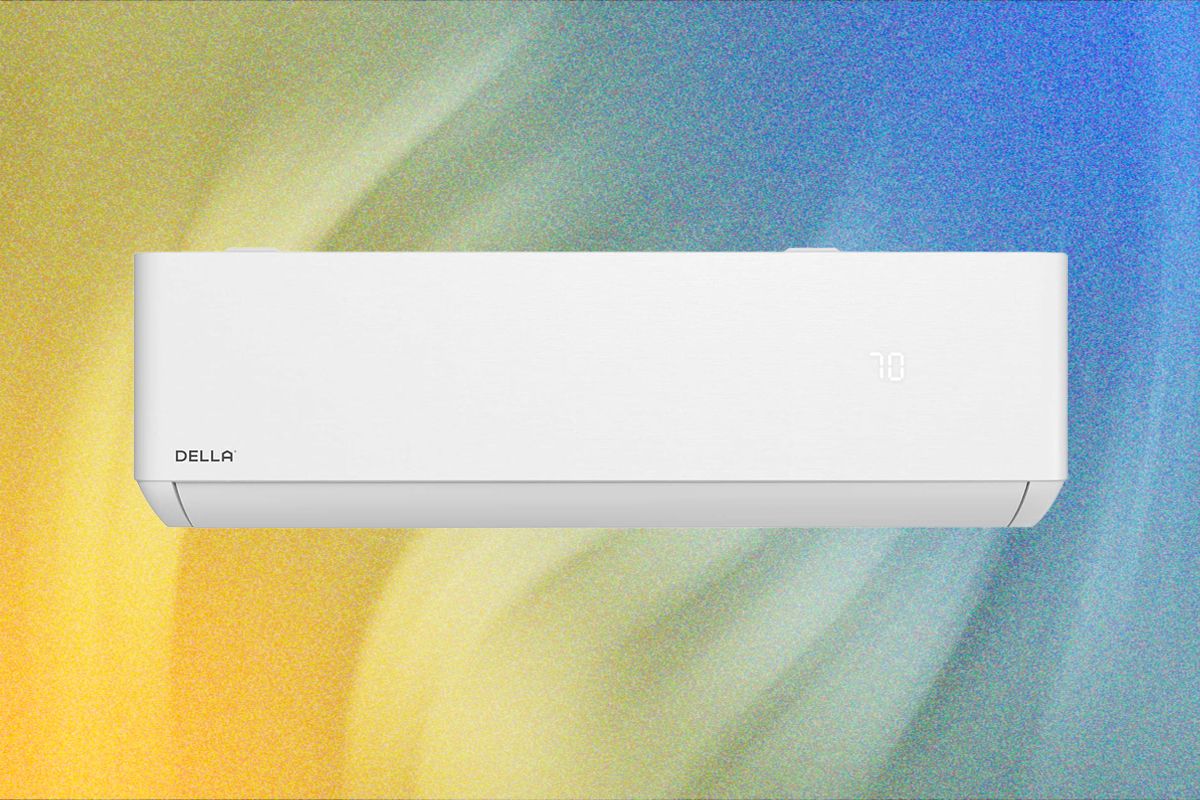
The Della Optima TP Series represents a growing segment of budget-centric climate control designed for smaller living quarters. Delivering 12,000 BTU of cooling and 12,400 BTU of heating, the system is engineered to manage spaces up to 550 square feet effectively. While the hardware itself is priced competitively, the total cost of ownership is heavily influenced by professional installation requirements.
A standard delivery includes three primary modules: the indoor air handler, an outdoor compressor, and the necessary conduit for refrigerant and electrical lines. For many users, the allure of a DIY setup is tempered by the necessity of high-voltage wiring and specialized drilling through exterior walls. In many regions, professional labor costs can easily quadruple the initial purchase price of the unit.
The physical installation process is straightforward but demanding, requiring precise placement of the mounting bracket and careful management of drainage lines. When executed correctly, the hardware provides consistent thermal regulation across a variety of ambient temperatures. The mechanical reliability of the compressor remains the unit's strongest attribute, provided the initial setup avoids common installation errors.
Smart Integration and Software Discrepancies
Control options for the Optima range from a physical infrared remote to a modern mobile application. The included remote is feature-rich but arguably over-engineered, featuring a complex LCD and numerous modes such as turbo, quiet, and eco. Navigating these settings can be cumbersome due to the requirement for direct line-of-sight communication with the air handler.
The Della+ mobile app provides a more streamlined interface, utilizing Wi-Fi connectivity to allow for remote management via smartphone. Integration with Amazon Alexa and Google Assistant works seamlessly, enabling voice-driven temperature adjustments that significantly enhance the user experience. However, certain advanced features like geofencing—which triggers operation based on user location—remain notoriously unreliable during extended testing.
Key Performance Metrics
Despite software inconsistencies, the core mechanical performance remains impressive. The unit's technical specifications include:
- Cooling capacity: 12,000 BTU
- Heating capacity: 12,400 BTU
- Noise levels: 40–50 dB
- Energy rating: 23 SEER2
The unit operates with a low acoustic footprint, measuring as low as 40 dB in night mode, which is suitable for bedrooms or home office environments. While the app lacks a robust logging system to track historical usage, the ability to schedule heating and cooling cycles provides much-needed automation for energy savings.
Verdict: A Value-Driven Compromise
The Della Optima TP Series is a functional, high-efficiency solution for those prioritizing cost-per-BTU over feature perfection. While the software ecosystem suffers from notable growing pains and the installation overhead is significant, the core cooling and heating capabilities are robust.
For users who can overlook a finicky geofencing feature in exchange for an affordable, smart-enabled unit, this system remains a viable contender in the modular HVAC market. Future iterations will likely need to focus on stabilizing the software suite and simplifying the remote interface to truly compete with premium legacy brands.