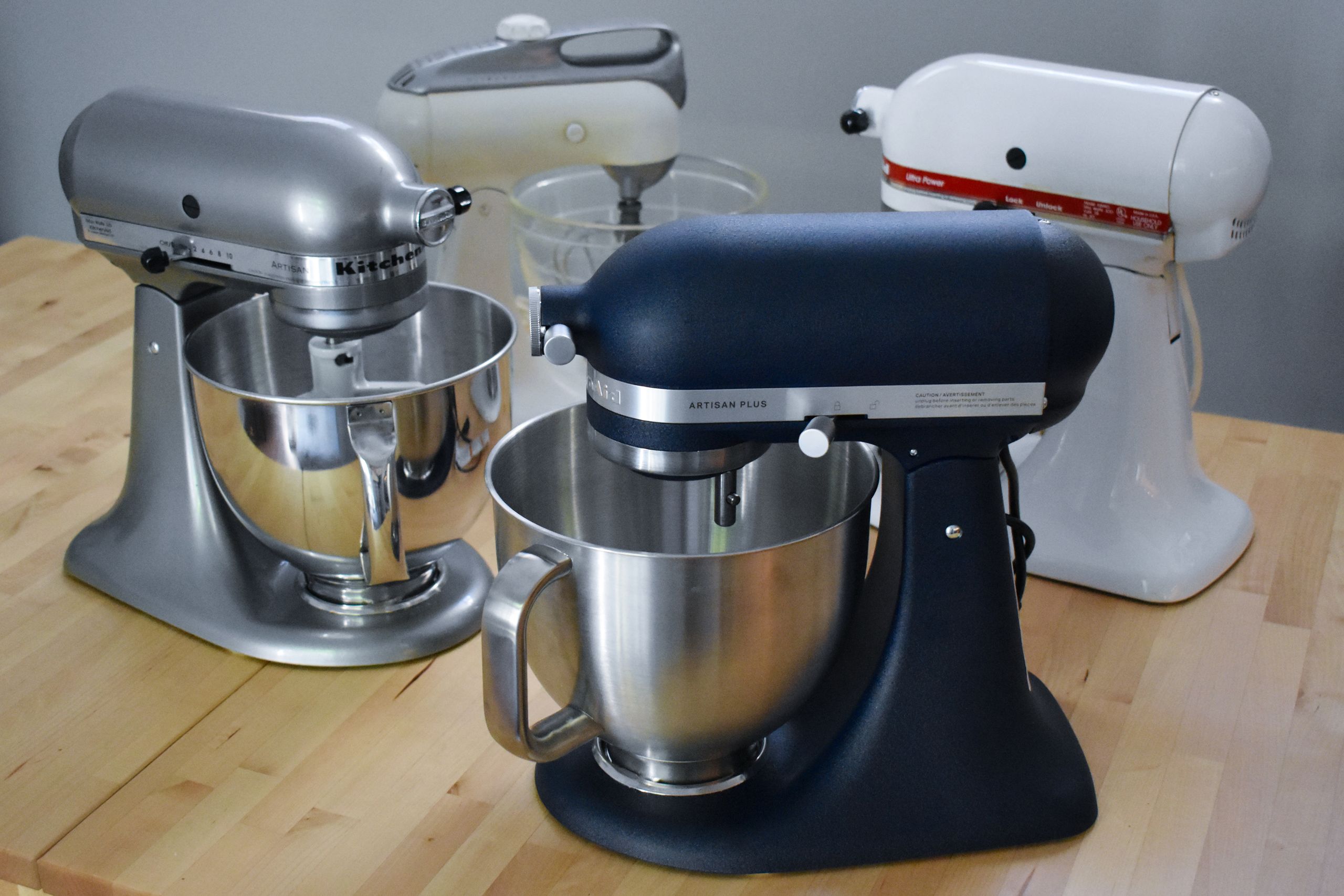
For the first time in over seven decades, KitchenAid has fundamentally altered the blueprint of its iconic tilt-head stand mixer. This shift marks a significant departure from the long-standing design language that has defined the brand’s presence on kitchen counters since 1919. While the silhouette remains recognizable, the internal mechanics and user interface have undergone enough refinement to justify the label of a new generation.
Precision Engineering and Visual Clarity
The most notable mechanical upgrade is the transition to a more powerful 350-watt motor, an increase from the 325 watts found in previous Artisan models. This extra torque is paired with a new precision speed control system that expands the range from ten speeds to eleven, introducing critical half-speed increments. These subtle adjustments allow for much tighter control during delicate tasks, such as aerating egg whites or incorporating light flours.
A standout feature of this iteration is the integrated LED bowl light situated above the mixing bowl. This addition addresses a long-standing frustration for bakers who frequently have to stop mixing to visually inspect the consistency of their ingredients. By illuminating the interior of the bowl, KitchenAid has reduced the need for manual intervention, allowing for more seamless transitions between stages of a recipe.
The implementation of a "Soft Start" feature further enhances this precision by ensuring that speed transitions are smooth rather than jarring. This prevents flour clouds from erupting during the initial stage of mixing and protects the motor from sudden-load spikes. When combined with the new lighting, the mixer functions more as an active participant in the baking process rather than a passive tool.
Material Upgrades and Aesthetic Evolution
Beyond the internal mechanics, the Artisan Plus introduces a new tactile dimension to its exterior through a "crinkle" finish. Available in colors like Wild Blueberry and Sun-Dried Tomato, this textured coating offers a matte appearance that is both modern and practical. This durable surface is notably resistant to the visible splatters of flour or oils that often plague traditional metallic finishes.
The hardware accompanying the motor has seen significant qualitative improvements as well. The current lineup features heavy, stainless steel attachments, including the whisk, dough hook, and flat beater. Moving away from the aluminum or powder-coated components of older generations provides a sense of increased durability and ease of cleaning, especially since all parts remain top-rack dishwasher safe.
A key innovation in the attachment suite is the new double-edge beater. This component is designed to scrape the sides of the bowl more effectively than its predecessors, potentially eliminating the need for manual spatula work. This focus on reducing "dead zones" in the bowl demonstrates a clear intent to optimize efficiency through iterative design.
Key upgrades to the Artisan Plus include:
- Increased torque via a 350-watt motor.
- Expanded speed range featuring eleven distinct settings.
- Integrated LED lighting for real-time ingredient monitoring.
- New double-edge beater attachment for improved bowl coverage.
- Textured "crinkle" finish for modern aesthetics and easier maintenance.
The Verdict
While the Artisan Plus carries a $100 premium over the standard Artisan model, the value proposition is found in the granular details. For casual users, the classic models remain sufficient, but for home-baking enthusiasts who demand exactness, the upgrades are transformative. The combination of improved visibility, more precise speed increments, and superior attachment geometry makes this a highly capable tool for complex confectionery work. Despite occasional struggles with exceptionally dense bread doughs—a known limitation of tilt-head architectures—the Artisan Plus stands as a formidable evolution of a culinary legend.