Does the true cost of modern travel lie in the airline ticket, or in the anxiety of wondering if your belongings actually made it onto the plane? As global logistics become increasingly complex, knowing how to track your luggage is no longer a luxury—it's a necessity. Relying on manual oversight during baggage claim is no longer a sufficient strategy for the modern traveler.
Integrated Solutions: The Case for July's CaseSafe
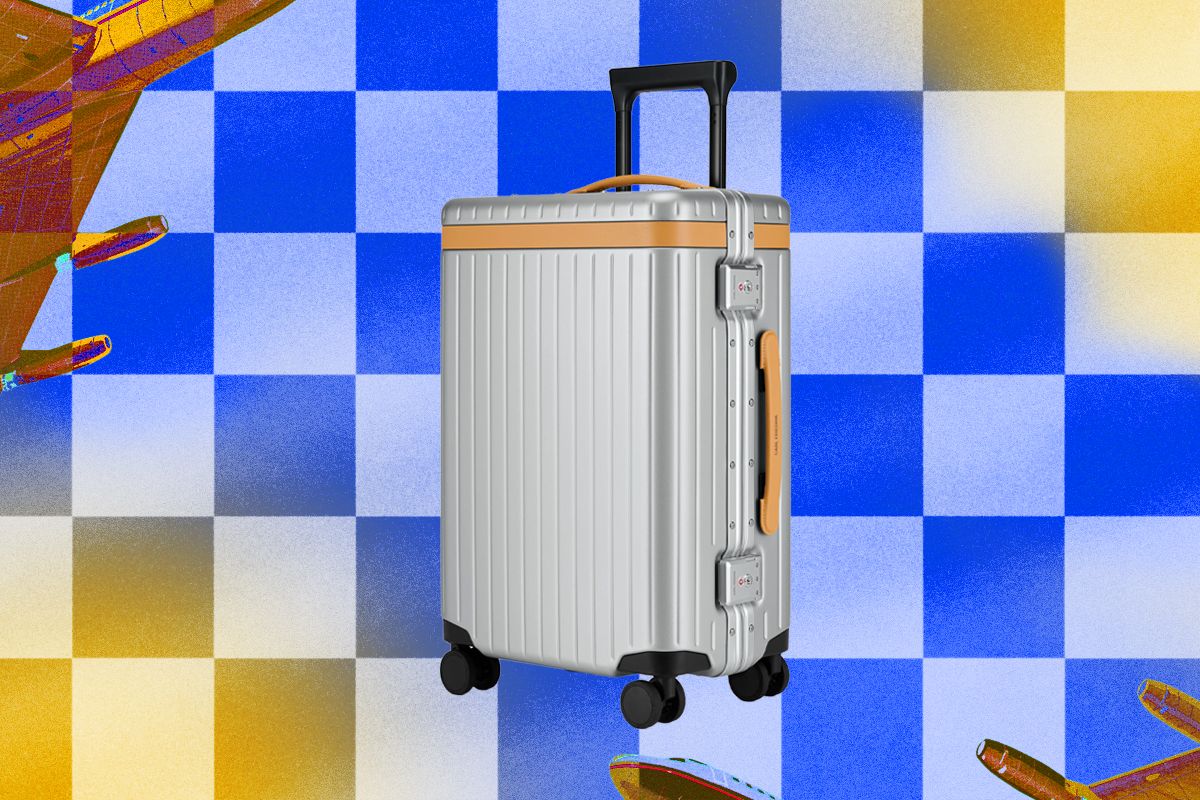
For travelers facing unexpected gate-checks on smaller aircraft, having a pre-integrated solution offers significant peace of mind. The July CaseSafe suitcase provides a built-in tracker that functions seamlessly within both the Apple Find My and Google Find Hub networks.
Its compact dimensions—specifically 21.5 x 15 x 8.5 inches—make it an ideal choice for restrictive overhead bins on smaller propeller planes. While replacing the CR2032 battery requires some manual effort, the convenience of a tracker that is already part of the luggage's hardware is a major advantage for spontaneous travelers.
Precision Tracking with Apple AirTags
The Apple AirTag remains the industry standard for iPhone users due to its deep integration with the iOS ecosystem. The second-generation model utilizes an upgraded Ultra Wideband (U2) chip, enabling a "Precision Finding" mode that allows for highly accurate directional guidance toward a specific item.
In high-traffic environments like international airports, the strength of the AirTag lies in its ability to leverage a massive, crowdsourced network of nearby iPhones. This ensures that even if a bag is moving through a dark terminal, its location can be updated as soon as it passes near any compatible device.
Android-Friendly Innovation: Pebblebee
If you are wondering how to track your luggage using Android-friendly tech, you should turn toward the Pebblebee Clip 5. Unlike traditional coin-cell trackers, the Clip 5 features a USB-C rechargeable battery, eliminating the need for frequent hardware replacements.
The device also boasts an impressive IP66 rating, making it resilient against the elements during transit. Beyond simple location pings, Pebblebee offers a unique SOS feature that can trigger a siren and notify designated emergency contacts via the app.
Best Practices for How to Track Your Luggage Effectively
Effective tracking requires more than just owning the hardware; it requires a strategic deployment of these tools to ensure signal reliability and physical security. To maximize the utility of Bluetooth trackers, consider the following strategies:
- Secure the device internally: Always place trackers in an interior pocket or dedicated compartment to prevent them from being lost during TSA inspections.
- Implement unique labeling: Use distinct names and emojis for every tracker to avoid confusion when multiple pieces of luggage are in transit simultaneously.
- Perform pre-flight audits: Verify that all batteries are functional before leaving for the airport to prevent encountering dead hardware mid-journey.
The Verdict on Modern Tracking
The landscape of how to track your luggage is shifting from reactive searching to proactive monitoring. While GPS trackers offer satellite precision, their subscription costs and high power demands make them less practical for most travelers than Bluetooth-based alternatives.
As the density of smart devices in public spaces continues to rise, the reliability of these crowdsourced networks will only improve. This makes the "lost luggage" scenario a much more manageable variable in modern travel.