A high-definition lens hovers above the turnstiles at the entrance to Disneyland Park, silently scanning every face that passes beneath it. As Disneyland now uses face recognition on visitors, there is no sudden alarm or dramatic fanfare; instead, there is only the quiet, efficient processing of a human identity into a string of digital code. For many guests, this marks a transition from the nostalgic magic of a classic theme park to the clinical precision of a high-security transit hub.
The Walt Disney Company has officially begun integrating face recognition technology into the entry protocols for both Disneyland Park and Disney California Adventure Park. While the implementation is being framed as a convenience-oriented feature, it introduces a sophisticated layer of biometric monitoring into one of the most heavily trafficked tourist destinations in the world.
How Disneyland Now Uses Face Recognition on Visitors to Streamline Entry
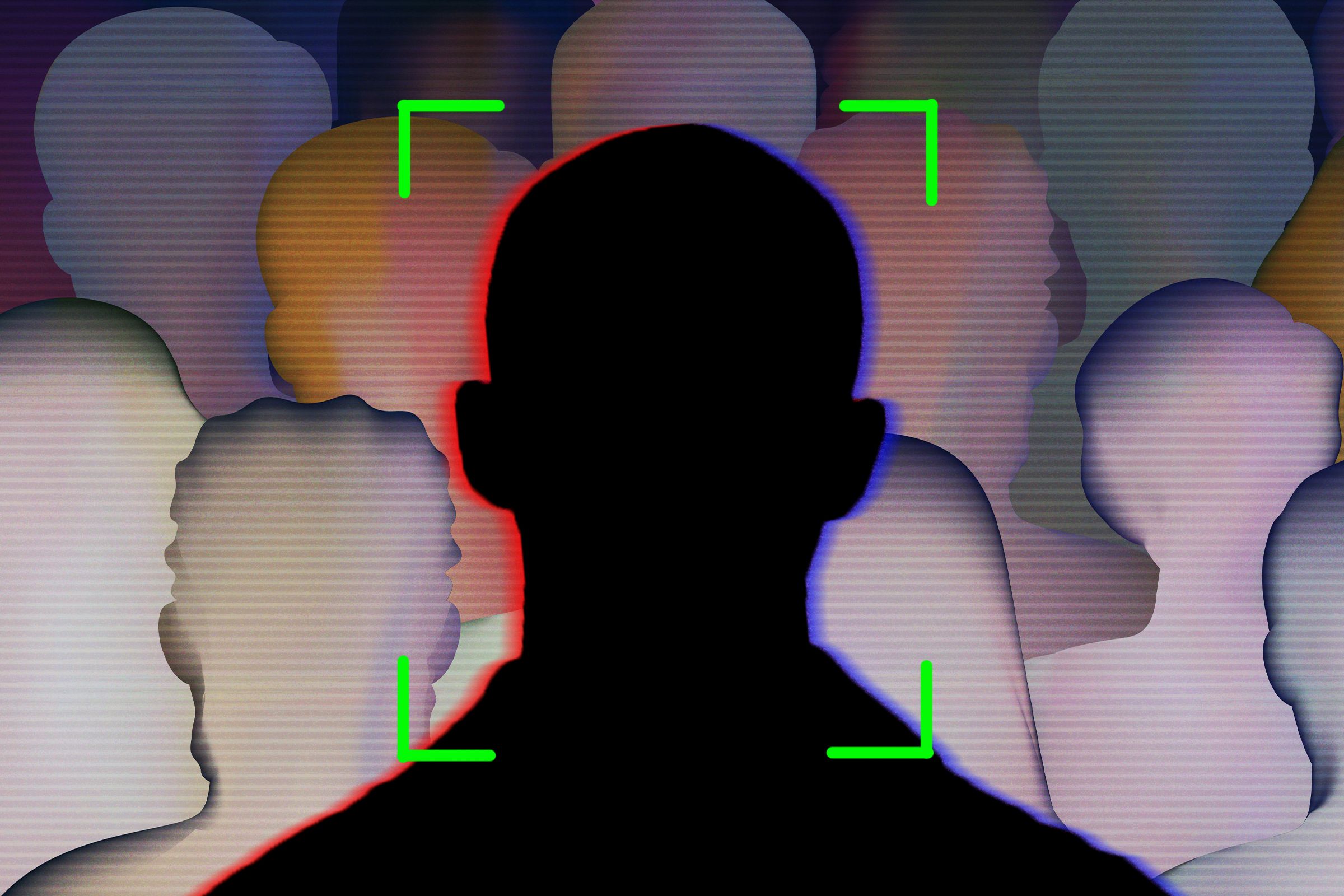
The rollout focuses on specific lanes within the park entrances that are equipped with specialized hardware designed to capture and interpret facial features. Unlike a simple photograph, which preserves a visual representation of a person, this system functions by converting human faces into a numerical value.
This mathematical abstraction—often referred to as a biometric template—allows the software to compare the geometry of a visitor's face against existing databases with extreme speed and accuracy. This implementation, where Disneyland now uses face recognition on visitors, is designed to streamline the entry experience by potentially reducing friction for guests who have already provided identification or digital credentials.
By utilizing these numerical signatures, the system can verify identities without requiring manual document checks at every junction. However, the technical nature of this conversion also means that once a face is "digitized," it becomes part of a searchable, algorithmic framework that is much harder to scrub than a traditional paper record.
The Privacy Paradox: The Illusion of Opt-Out
One of the most contentious aspects of this rollout is the distinction between voluntary use and unavoidable surveillance. Disney has been careful to state that using the facial recognition lanes is "entirely optional" for guests. From a marketing perspective, this allows the company to maintain its image as "the happiest place on earth" rather than a high-tech surveillance state.
However, the fine print suggests a more complex reality for those attempting to avoid the technology:
- Guests who choose not to use facial recognition lanes may still have their images captured by existing security cameras.
- The company maintains that these numerical values are deleted after 30 days.
- An exception exists for data that must be retained for legal or fraud-prevention purposes, a clause broad enough to include almost any significant incident.
This creates a paradox of choice where the "opt-out" is essentially an opt-in to a different, less organized form of monitoring. While the 30-day deletion policy offers a semblance of privacy, it does not address the fundamental shift in how personal biological data is being harvested in consumer spaces.
A Growing Trend in Public Surveillance
Disneyland is far from an outlier in this technological pivot. The deployment of facial recognition is part of a broader, global trend where biometric identification is becoming standard in high-density environments. We are seeing this technology move from the fringes of specialized security into the fabric of everyday life:
- International Airports: Used for seamless border crossings and identity verification.
- Professional Sports: MLB and NFL stadiums utilize similar systems to manage entry and identify prohibited individuals.
- Entertainment Venues: Large-scale arenas like Madison Square Garden leverage biometrics for crowd control and VIP access.
The integration of these tools into a family-friendly environment marks a significant milestone in the normalization of biometric tracking. As the technology becomes more efficient and less intrusive to the naked eye, the boundary between "convenience" and "surveillance" continues to blur.
The Verdict
The implementation of face recognition at Disneyland is a calculated move toward a highly automated, frictionless future. For the tech-forward visitor, it offers a glimpse into a world where physical identity and digital credentials are perfectly synced.
However, for those concerned with the long-term implications of biometric data harvesting, the rollout serves as a warning. As these systems become embedded in our leisure spaces, the ability to remain anonymous in a crowd is rapidly becoming a relic of the past. The true test will not be how well the technology works, but how much of our personal autonomy we are willing to trade for a shorter line at the gate.