The landscape of premium personal audio has shifted significantly from a pure focus on driver architecture to the seamless integration of silicon and software. This evolution is nowhere more evident than in the Apple AirPods Max 2, which attempts to bridge the gap between high-fidelity listening and intelligent automation.
A Familiar Design with New Intelligence
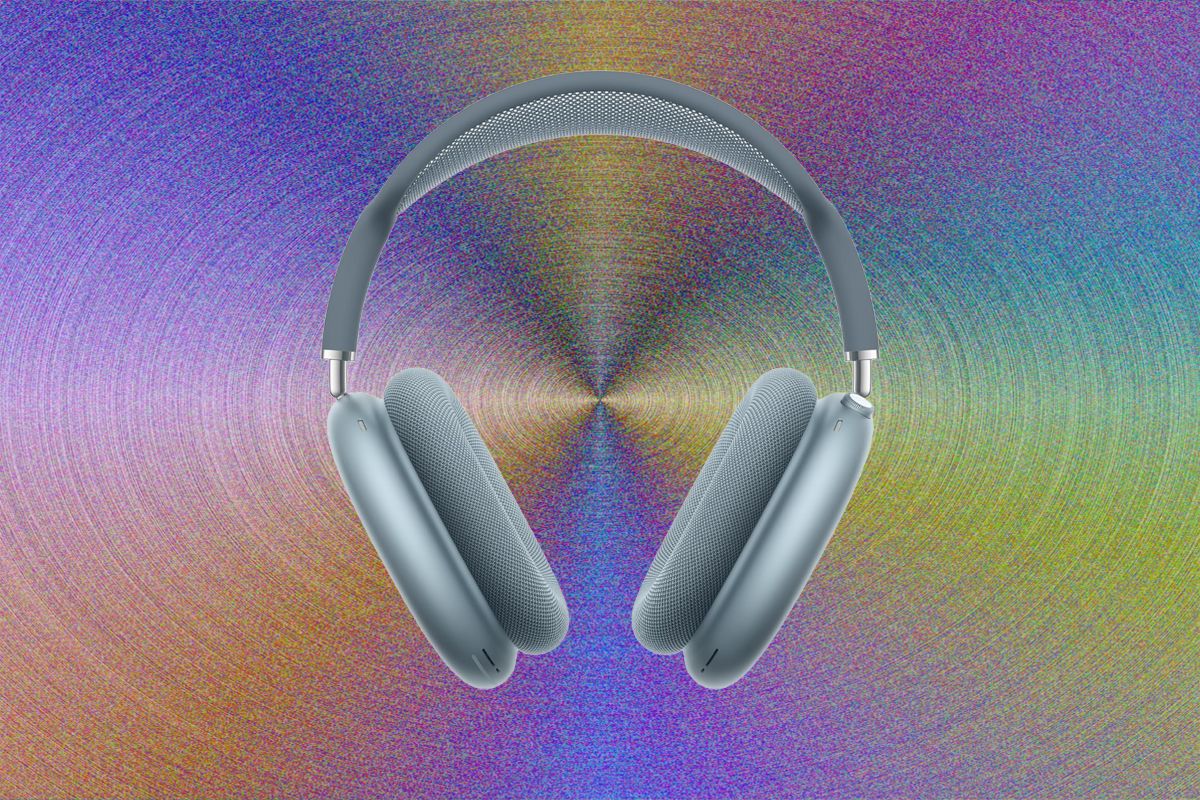
At first glance, the hardware appears almost indistinguishable from its 2020 predecessor. The structural DNA remains intact, featuring milled aluminum ear cups, replaceable magnetic cushions, and the distinctive mesh "canopy" headband for weight distribution. While the headset remains heavier than many contemporaries, Apple’s engineering continues to mitigate the physical burden during extended sessions.
The design language remains iconic and stands apart from the increasingly homogenous appearance of competitors like the Sony WH-1000XM series. Even the "Smart Case" persists, offering a utilitarian way to carry the unit by sliding the canopy onto a wrist. However, the physical continuity is deceptive; beneath the exterior, the new H2 chip brings the computational power found in the AirPods Pro 3 to a much larger form factor.
Maximizing the Apple AirPods Max 2 Ecosystem
The true value proposition for this generation lies in its ability to interact with iOS through advanced software logic. The transition to Bluetooth 5.3 has noticeably improved connection stability, particularly in high-interference environments like crowded transit hubs. This update transforms the headphones from a passive playback device into an active participant in your digital life.
Key functional upgrades include:
- Adaptive Audio: Dynamically adjusts transparency and noise cancellation based on environmental sound levels.
- Head-Based Gestures: Allows users to respond to Siri queries with simple nods or shakes of the head.
- Conversation Awareness: Automatically lowers media volume and enhances ambient sound when you begin speaking.
- Enhanced Spatial Audio: Provides a more immersive, theater-like experience for compatible Apple TV+ content.
Acoustic Performance and Sound Profile
The acoustic performance remains top-tier, characterized by deep, impactful bass that retains clarity without encroaching on the mid-range. While some critics have historically pointed to "bright" or piercing high frequencies in Apple's audio profiles, this iteration feels much more balanced.
Vocals remain crisp and articulate throughout your listening session. Furthermore, the expanded dynamic range makes complex, multi-instrumental tracks feel remarkably textured and lifelike.
Persistent Hardware Bottlenecks
Despite these sophisticated software advancements, certain hardware limitations persist that may frustrate power users. The most glaring issue remains the battery life, which continues to lag behind industry leaders. With roughly 15 hours of active listening time under noise-canceling conditions, the longevity is underwhelming compared to competitors like the Sony WH-1000XM6, which can offer double that duration.
Furthermore, the lack of a customizable EQ is another hurdle for audiophiles who prefer to fine-tune their experience. Users are essentially locked into Apple's factory tuning; if the sound profile does not suit your preference, there is no software recourse to adjust the frequency response. Additionally, while features like Live Translation are ambitious, they currently remain in a beta-like state, often struggling with rudimentary linguistic structures.
The Verdict
The Apple AirPods Max 2 represents an iterative rather than revolutionary step forward. It is a refinement of a concept, focusing on making the hardware more "intelligent" through software integration rather than reinventing the physical medium. For those already deeply embedded in the Apple ecosystem, the improved stability and new gesture controls make these the most functional over-ear option available for iPhone users.
However, for those seeking a significant leap in battery endurance or manual control, the $549 price tag may feel difficult to justify. The future of the line will likely depend on whether Apple can finally address the fundamental energy constraints that continue to hold back its most premium audio hardware.