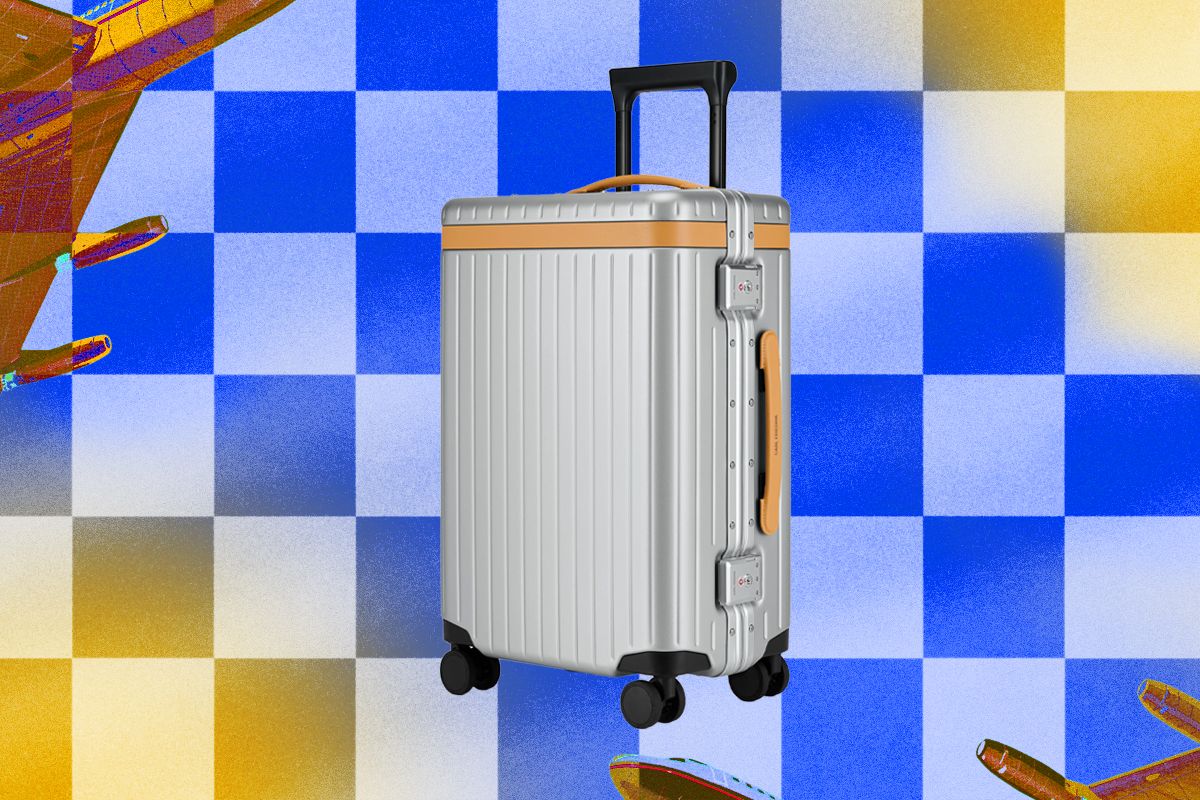
A heavy, metallic thud echoes through the airport terminal as a silver Rimowa case meets the concrete floor with unyielding force. There is no frantic cracking of plastic or structural failure; instead, there is only the dull vibration of aluminum absorbing the impact. This sensory experience is the hallmark of high-end travel gear—a weight and resonance that polycarbonate simply cannot replicate when choosing aluminum luggage.
The Unmatched Durability of Aluminum Luggage
For the frequent traveler, the appeal of an all-metal carry-on lies less in its polished sheen and more in its structural integrity. Unlike polycarbonate shells, which are prone to stress fractures and cracking under extreme pressure, aluminum possesses a unique ability to deform without breaking.
In the world of premium luggage, dents and scuffs are not seen as damage, but as battle scars. These marks serve as visible evidence of a life spent navigating international hubs. However, maintaining a pristine appearance is nearly impossible; once the metal is scuffed, it stays scuffed.
Security and Construction Benefits
The mechanical advantages of premium cases extend beyond the outer shell itself. Many high-end aluminum cases utilize a clamshell, zipperless closure system. These latch-based designs offer superior security compared to traditional zippers, which can be easily compromised with a simple ballpoint pen.
Furthermore, manufacturers use several features to mitigate common points of failure:
- Metal rivets for structural reinforcement
- Reinforced corners to prevent crushing
- Robust, heavy-duty handles
While these features ensure longevity, the metal does not "bounce back" like modern plastics. Once a dent is struck into a Rimowa or a Carl Friedrik, the change is permanent.
The Weight Trade-off in Premium Travel
The most significant drawback to choosing metal over synthetic alternatives is the undeniable increase in dead weight. While aluminum offers unmatched protection, it demands a trade-off in payload capacity. This becomes a critical issue when navigating the increasingly strict weight restrictions imposed by budget carriers.
To understand the impact on your packing capacity, consider this comparison of standard carry-on weights:
- Samsonite C-Lite Spinner: Approximately 4.5 pounds
- Travelpro Maxlite Air V2: Approximately 6.4 pounds
- Away Aluminum Carry-On: Roughly 9–10 pounds
- Rimowa Original Cabin: Approximately 9.5 pounds
When flying on airlines with strict 15-pound limits, such as certain European or Middle Eastern carriers, an aluminum luggage piece consumes more than half of the allowed weight before a single garment is packed. This leaves very little margin for electronics, liquids, or souvenirs. For long-haul business travelers, this is a negligible concern, but for short-haul commuters, it can be a dealbreaker.
Manufacturing Complexity and Sustainability
The premium price tag of brands like Rimowa, Carl Friedrik, and Away is not merely a result of branding; it reflects much more complex manufacturing requirements. Producing an aluminum shell involves intensive processes such as stamping, machining, and specialized finishing.
This is significantly more labor-intensive and costly than the high-volume injection molding used for polycarbonate or polypropylene suitcases. However, there is a compelling environmental argument for the shift toward metal.
Aluminum is one of the most sustainable materials in modern manufacturing due to its infinite recyclability. Reusing aluminum requires up to 95 percent less energy than producing it from raw bauxite ore. Furthermore, the longevity of a well-constructed metal case reduces the cycle of "disposable" travel gear, keeping more plastic waste out of landfills.
The Final Verdict: A Lifetime Investment
Deciding whether to invest in aluminum luggage depends entirely on a traveler's specific flight profile. If the goal is to minimize weight and maximize packing flexibility, a high-quality polycarbonate or soft-shell nylon bag remains the superior choice. These options are lighter, more forgiving of overpacking, and significantly more affordable.
However, for those who view travel as a frequent, long-term endeavor, aluminum represents a lifetime investment. If the intention is to purchase a single piece of gear that can endure decades of abuse, the high upfront cost of a premium metal case is justified by its repairability and enduring utility. In an era of planned obsolescence, the heavy, dentable nature of aluminum offers a rare sense of permanence.