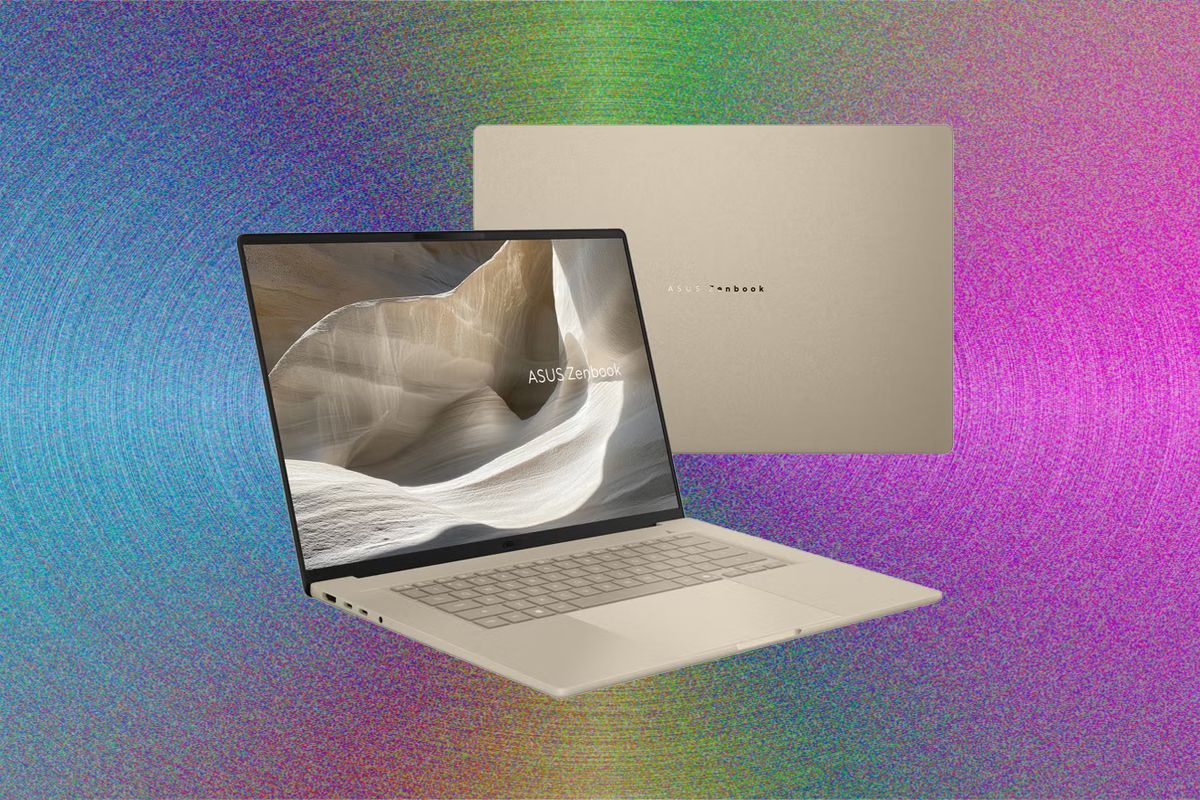
The transition from x86 dominance to ARM-based Windows computing has reached a critical inflection point with the arrival of Qualcomm's second-generation silicon. The Asus Zenbook A16 (20rypt) represents the next stage of this evolution, moving past the efficiency-focused Snapdragon X era. By leveraging the Snapdragon X2 Elite Extreme, this machine positions itself as a legitimate performance heavyweight capable of challenging both Intel and Apple.
Benchmarking the Asus Zenbook A16 (2026) Performance
The raw numbers behind this device are difficult to ignore. In Geekbench 6 testing, the X2 Elite Extreme delivers scores that outpace competing AMD and Intel architectures by as much as 50 to 100 percent. While it sits just behind the Apple MacBook M4 Pro in multi-core Cinebench 2024 tests, its presence in the high-end Windows market is undeniable.
A significant leap has also occurred in integrated graphics performance. Frame rates have reportedly quadrupled compared to previous generations, making light gaming and graphics-heavy workloads much more viable on an ARM-based chassis. This surge in power is accompanied by improved software stability through native application support.
While certain professional suites, such as Autodesk’s CAD software, still face minor compatibility hurdles, the gap is closing rapidly. The ability to deliver high-performance computing without traditional x86 overhead marks a significant milestone for mobile workstations.
Design Compromises and Display Brilliance
While the internals are cutting-edge, the external execution feels strangely regressive. The choice of "Zabriskie Beige" as the sole color option is a polarizing decision that lends the machine a dated, utilitarian aesthetic. This identity is compounded by a chassis made of C-era aluminum and magnesium that can feel somewhat plasticky despite its light 2.9-pound weight.
The visual experience remains top-tier regardless of the exterior. The 16-inch OLED display offers a stunning 2880 x 1800 resolution with exceptional brightness and color accuracy. However, the screen exhibits a noticeable shimmy when the lid is adjusted, which may undermine the premium feel expected from a $1,700 to $1,999 device.
Thermal engineering is another highlight of the hardware. The A16 utilizes a system that channels cool air through the keyboard to maintain high workloads without aggressive fan noise. Unfortunately, input ergonomics suffer, as the keyboard features incredibly shallow key travel and an oversized touchpad that interferes with natural palm placement.
The device remains functional for various workflows thanks to its well-rounded selection of ports:
- Two USB 4 ports (via USB-C)
- USB-A for legacy peripherals
- Full-size HDMI jack
- Integrated SD card reader
The Cost of Extreme Performance
Achieving this level of computational power has necessitated significant sacrifices in other areas. Most notably, the legendary battery life associated with earlier Snapdragon X systems has vanished. Where previous iterations could push toward 20 hours of use, the Asus Zenbook A16 (2026) struggles to surpass 9.5 hours during continuous video playback at full brightness.
This regression places the machine on par with standard Intel-based laptops, effectively stripping away a primary competitive advantage in the ultraportable segment. The inclusion of a tiny 130-watt adapter ensures the machine can be refueled quickly, but it does not negate the loss of all-day autonomy.
Ultimately, this hardware trade-off suggests Qualcomm is shifting focus toward raw throughput over extreme endurance. For professionals who prioritize processing speed and mobile graphics over battery longevity or aesthetics, the A16 is a compelling tool. However, its immense potential remains partially obscured by its beige exterior and ergonomic shortcomings.