The evolution of language acquisition has moved steadily from intensive, classroom-based instruction to the pocket-sized convenience of mobile applications. However, a significant barrier to true fluency has long persisted for many learners. For decades, achieving professional-level proficiency required substantial financial investment in private tutors or immersive study abroad programs.
While early mobile iterations democratized basic communication, they primarily served as digital flashcards for introductory vocabulary. This left the higher tiers of linguistic mastery locked behind a paywall. Now, Duolingo is now giving free users access to advanced learning content, fundamentally changing the landscape for casual learners.
Breaking the Proficiency Ceiling: Why Duolingo is Giving Free Users Access to Advanced Learning Content
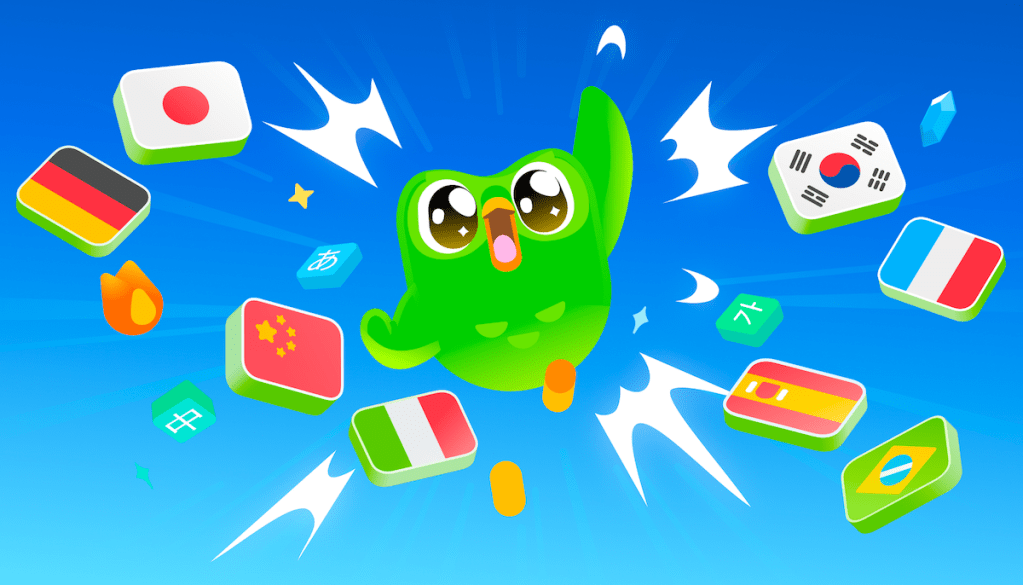
Duolingo has officially disrupted the traditional learning hierarchy by announcing that its high-level curriculum is no longer restricted to subscribers. This update covers nine major languages: English, Spanish, French, German, Italian, Portuguese, Japanese, Korean, and Chinese.
This move marks a departure from previous limitations, which largely capped free access at the A2 or B1 levels of the Common European Framework of Reference for Languages (CEFR). By moving into the B2 level, the company is introducing content that lacks the safety net of translations and incorporates complex scenarios and specialized vocabulary.
New Immersive Learning Tools
This new tier of education introduces features specifically designed to simulate real-world immersion. These tools move users away from simple pattern recognition and toward the cognitive heavy lifting required for actual fluency. Key features include:
- Advanced Stories: Narrative-driven reading exercises that challenge users to navigate intricate plots for better comprehension.
- DuoRadio: A podcast-style audio experience intended to sharpen listening skills in unpredictable environments.
- B2 Level Integration: Access to complex, non-translated instructional materials.
- Cross-Platform Availability: Seamless access via web, iOS, and Android interfaces.
A Strategic Move in a Competitive Landscape
The decision to ungate this content appears to be a calculated strike against competitors like Babbel and Busuu. While those platforms offer robust, high-level curriculum, they typically require active paid subscriptions to access the upper echelons of the CEFR scale. By offering B2-level training at no cost, Duolingo is positioning itself as a leader in free mobile language development.
This expansion also aligns with broader economic pressures facing the global workforce. In an era of tightening job markets, language skills have become a vital component of employability. Research from the American Council on the Teaching of Foreign Languages suggests that second-language proficiency can increase an individual's marketability by as much as 50%.
The Economics of User Acquisition and Growth
From a business perspective, this move is a high-stakes attempt to leverage Duolingo’s massive Daily Active User (DAU) base. The company currently boasts 52.7 million daily users—a 30% increase year-over-century. This provides a vast top-of-funnel opportunity that far exceeds its 12.2 million paid subscribers.
By providing high-value, advanced content for free, Duolingo is betting that the utility of the app will drive deeper engagement and eventually convert more casual learners into long-term subscribers. However, this strategy comes at a time of financial uncertainty.
Following a recent projection of a slight decline in year-over-year bookings growth for Q2 2026, Duolingo's stock has faced downward pressure. The company must now prove that giving away its most sophisticated educational assets will drive enough ecosystem value to offset the potential loss of subscription revenue.