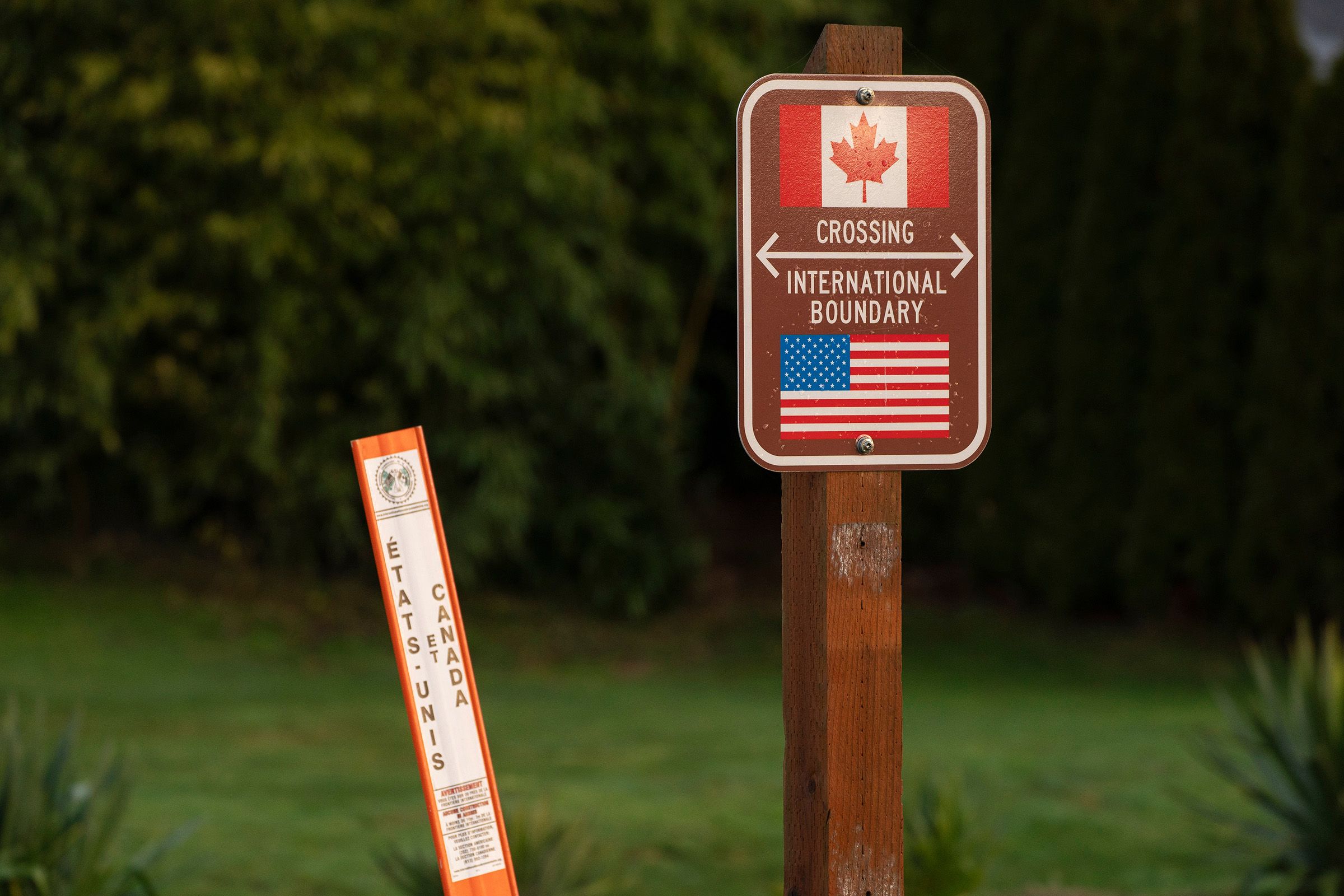
DHS Reconnaissance Drone Experiment: A New Era for US-Canada Border Security
The US-Canada border is no longer just a static line on a map; it is becoming a dynamic testing ground for next-generation surveillance technology. The Department of Homeland Security (DHS) has announced plans for a significant experiment involving 'reconnaissance' drones and autonomous systems operating along this international frontier.
This initiative marks a stark departure from traditional border monitoring methods. Instead of relying on static fences or sporadic patrols, the DHS and its Canadian counterparts are coordinating a cross-border trial that will deploy unmanned aerial systems (UAS) and ground vehicles. These platforms will leverage commercial 5G networks to transmit live intelligence feeds across international lines, highlighting how security concerns are increasingly intertwined with cutting-edge communications infrastructure.
A Novel Approach to Border Monitoring
The core of this experiment, officially termed ACE-CASPER, represents the first joint border technology trial in nearly a decade, following the previous CAUSE program. The primary objective is to test the reliability of Command and Control: Intelligence, Surveillance, and Reconnaissance (C2ISR) systems in a real-world environment.
Unlike legacy systems that depend on expensive satellite links or private secure channels, this effort prioritizes public commercial infrastructure as the backbone for tactical operations. The trial aims to establish continuous video streams and sensor data sharing, enabling real-time situational awareness in contested environments.
Key aspects of this novel approach include:
- 5G Integration: Commercial cellular networks replace military-grade links to reduce latency and cost.
- Cross-Border Data Sharing: A bi-national command center will receive live feeds from both US and Canadian sides.
- Autonomous Focus: While vehicle navigation is important, the trial prioritizes communication reliability and data integrity above all else.
Technological and Political Context
The timing of the ACE-CASPER exercise is significant. It coincides with heightened attention on critical infrastructure protection, particularly following recent Federal Communications Commission (FCC) policies that restrict the use of foreign-made drones on US networks. These regulations have accelerated domestic drone innovation, benefiting companies like Powerus and Anduril that align with both government priorities and political interests.
By framing the trial as a "national emergency response scenario," the DHS positions these surveillance capabilities as essential tools for crisis management rather than purely defensive measures. This shift reflects broader trends toward integrated battlefield awareness, where civilian technology is rapidly adapted for national security applications.
Vendor Involvement and Market Implications
The selection of vendors for this high-profile trial highlights the growing intersection between national security programs and private sector innovation. Several defense contractors have expressed interest, with the process appearing influenced by both technical merit and existing political connections.
- Powerus Corporation: Has publicly endorsed stronger border security through autonomous platforms, leveraging existing government contracts.
- Anduril Industries: Continues to invest heavily in battlefield surveillance solutions, positioning itself as a key player in modern defense tech.
- Xtend: Has expanded its government footprint through strategic partnerships and new facilities, gaining prominence in the secure communications market.
Critics and analysts alike note that the militarization of civilian technology is occurring under the guise of public safety. While officials stress "resilient communications" as the primary goal, the involvement of companies with ties to political figures raises questions about transparency and procurement ethics in the defense sector.
Operational Challenges and Future Outlook
Testing across an international boundary introduces unique logistical hurdles. The reliance on commercial 5G networks necessitates complex coordination with carriers to ensure bandwidth availability during high-stakes scenarios. Furthermore, cybersecurity concerns loom large given the cross-jurisdictional nature of the data flow. Issues such as spectrum allocation and data sovereignty agreements must be carefully navigated to prevent vulnerabilities.
Looking ahead, successful trials could reshape border management paradigms worldwide, demonstrating how private technology can augment government capabilities in real time. The outcome of this experiment will likely influence future regulations governing dual-use technologies and their role in homeland defense.
As technology evolves faster than policy frameworks, stakeholders must balance innovation with accountability. The coming months will reveal whether the data streams generated in this autumn 2025 trial translate into actionable intelligence or expose inherent vulnerabilities in linking critical infrastructure across sovereign territories. Either way, this experiment underscores an irreversible trend: modern border management hinges on the seamless integration of private-sector innovation and public-sector oversight.