The 2028 Presidential Ticket: Trump’s Inner Circle in Early Scramble
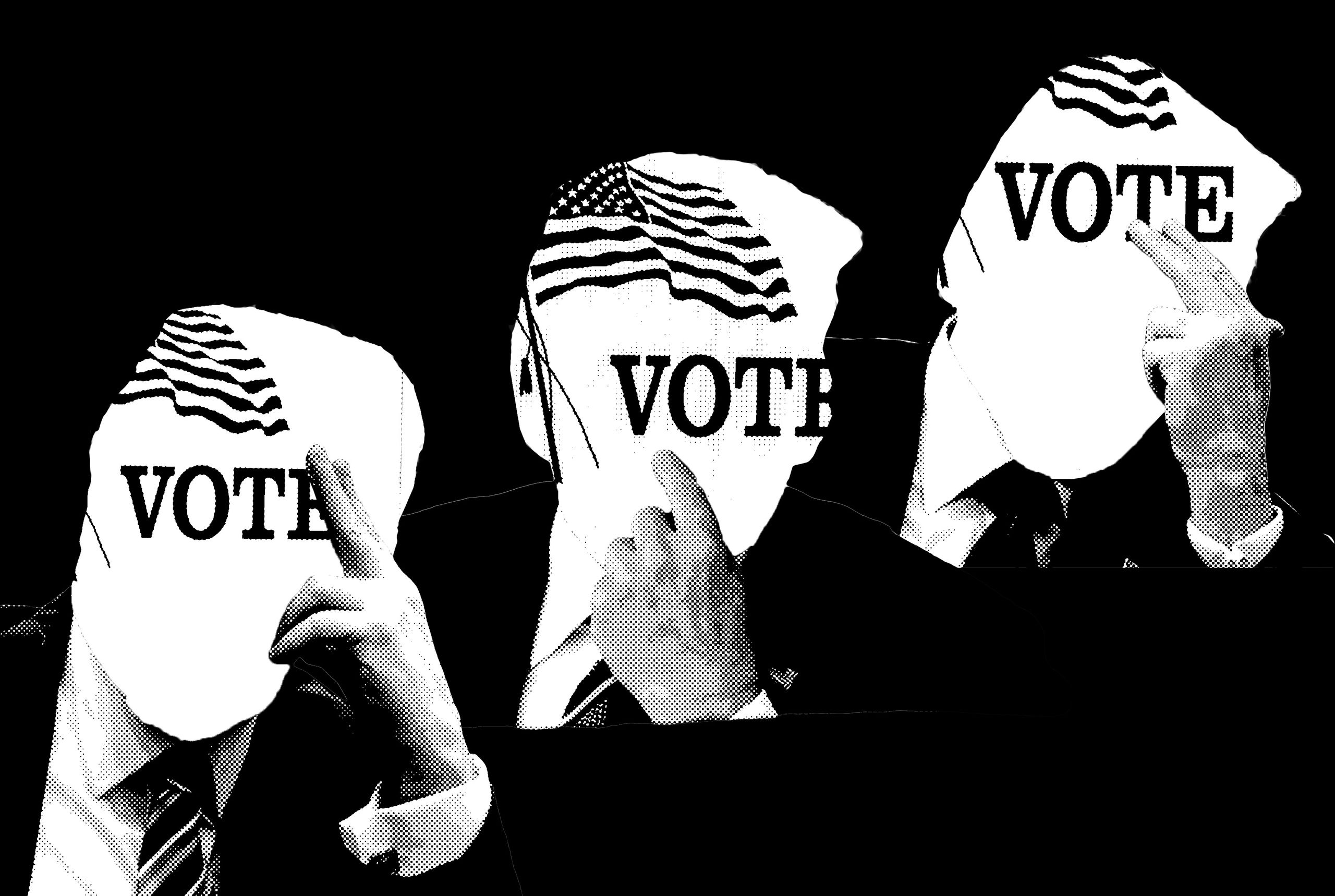
Even as the White House navigates the turbulent waters of midterms and immediate domestic crises, the 2028 presidential ticket has already become a focal point of intense maneuvering within Donald Trump’s inner circle. This early scramble reveals a political landscape where long-term ambition is colliding with present-day governance challenges.
Informal gatherings at Mar-a-Lago have exposed divergent preferences among key donors. While wealthy backers are increasingly favoring Marco Rubio for the top spot, law enforcement circles continue to show strong support for J.D. Vance. This split highlights the complex coalition management required to secure a viable path to the nomination.
Shifting Priorities and Key Appointments
Strategic retreats are currently being used to build a durable 2028 platform, a process complicated by the fallout from conflicts in Iran and contentious spending debates in Congress. Amidst this political realignment, personnel shifts are signaling new power dynamics.
Cliff Sims has been elevated to national security adviser, a move closely linked to Rubio’s team through CIA ties and prior White House roles. This appointment underscores the intricate web of influence that defines the current administration’s future trajectory.
Meanwhile, Vance’s team is actively reshaping its staffing structure to amplify influence. Key additions include Will Martin as deputy chief of staff, alongside experienced operators like Sims. These moves suggest a concerted effort to consolidate power and prepare for the eventual transition from the current administration.
Coalition Management and Messaging
The race for the 2028 presidential ticket is not just about personnel; it is also about messaging. Rubio’s unexpected briefing on the Iran war sparked significant speculation about his potential candidacy, despite official denials of any coordinated plan. This incident illustrates how policy discussions are quickly becoming proxies for political positioning.
Messaging efforts are currently balancing policy substance with Trump’s signature branding. The goal is to present a cohesive vision that appeals to both the base and broader voter segments. However, this balance is difficult to strike amidst intense scrutiny and internal faction dynamics.
Key elements of this strategy include:
- Amplifying Influence: Integrating experienced operators to support primary candidates.
- Policy Branding: Aligning policy outcomes with the current administration’s brand.
- Coalition Building: Managing divergent preferences among donors and key stakeholders.
External Pressures Testing Unity
The race for the 2028 presidential ticket is occurring against a backdrop of intensifying external pressures. Congressional oversight has become a major hurdle, with investigations into DOJ misconduct settlements and Pentagon spending complicating legislative agendas.
Leadership challenges now span media scrutiny, judicial investigations, and internal faction dynamics. These factors are testing the unity of the Republican base, forcing candidates to demonstrate both strength and adaptability.
Economic policies face intense pressure to deliver visible results. Amid polarized public opinion and global instability, the administration must show tangible progress to maintain momentum. The convergence of strategic polling, personnel restructuring, and these external pressures underscores how Trump’s team is actively preparing for long-term electoral contests while navigating immediate crises.
Bold adjustments reflect both ambition and adaptation as the administration seeks to maintain momentum across multiple fronts. The early signs suggest that the race for 2028 will be defined by those who can best manage these competing demands.