The QR Code Panic: How Online Misinformation Disrupted Georgia’s Elections
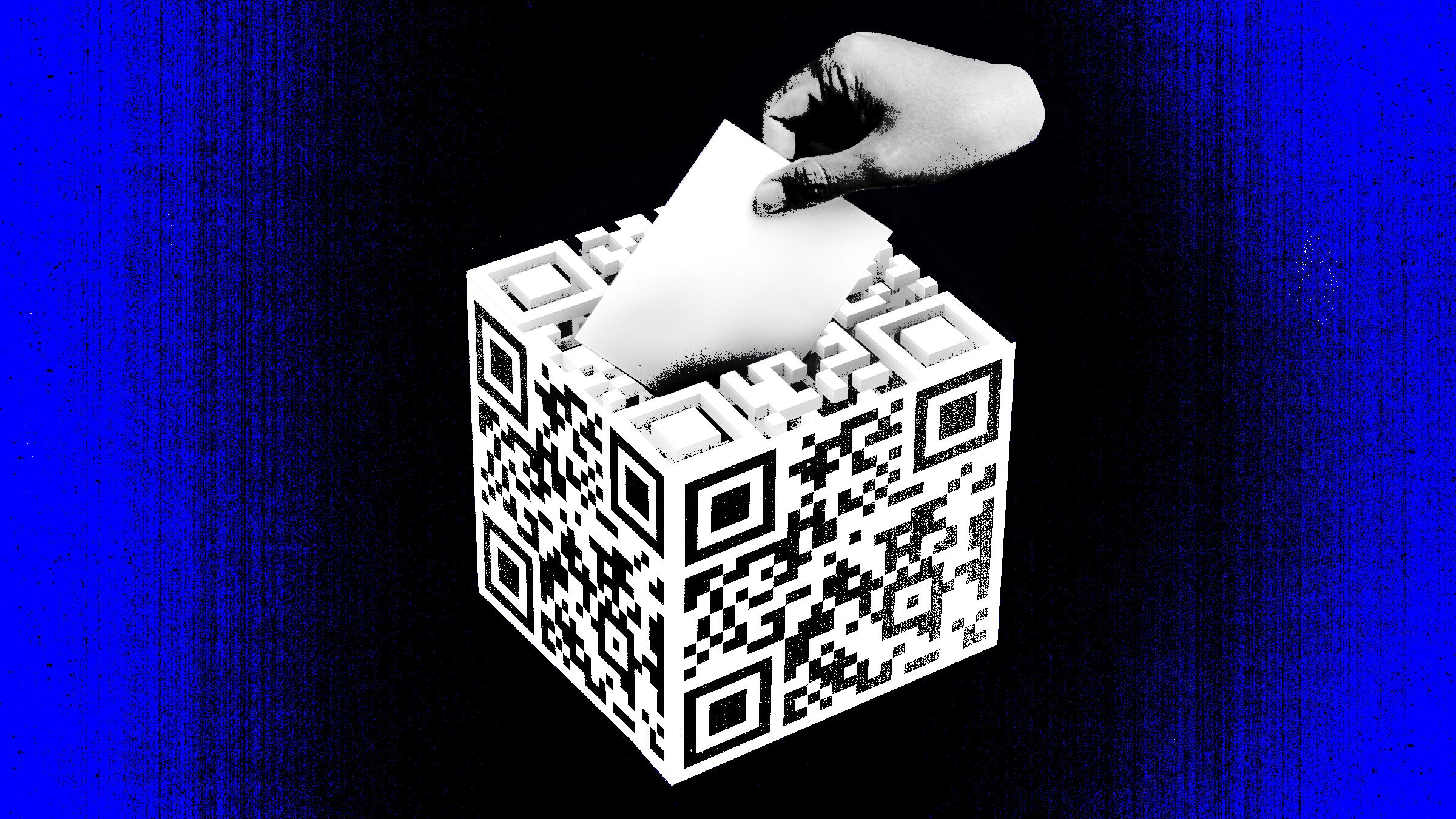
A wave of misinformation regarding QR codes has swept through Georgia, creating significant confusion and logistical chaos ahead of the state’s midterm elections. The panic was not rooted in technical vulnerabilities, but rather in a baseless conspiracy theory that linked the scannable codes to illicit voting methods.
This unfounded fear led state officials to take drastic action, resulting in a ban on QR code usage for election purposes. The decision was heavily influenced by assertions made by a prominent online figure known for amplifying false narratives about Israel and the September 11 attacks.
Now, as voters head to the polls, the legacy of this digital panic remains. No one is entirely sure how ballots will be counted, with election workers left to navigate a landscape clouded by doubt and sudden policy shifts.
The Origin of the QR Code Conspiracy
The trouble began when a conspiracy theory emerged online, claiming that QR codes on mail-in ballots or voting materials could be used to hack systems or track voters. This theory gained traction among certain segments of the electorate, fueled by distrust in digital infrastructure and election integrity.
Central to the spread of this narrative was a man who has a history of boosting false claims about major geopolitical events and historical tragedies. His posts, which often blended anti-Semitism, anti-Israel sentiment, and 9/11 denialism, helped legitimize the QR code fears for his followers.
The algorithmic nature of social media platforms allowed these dangerous ideas to spread rapidly, reaching voters who were already anxious about the upcoming midterms. The result was a groundswell of concern that moved from online forums into the real-world realm of election administration.
Georgia’s Response and the Voting Ban
In response to the growing unrest, Georgia state officials moved to ban the use of QR codes in the electoral process. This decision was not based on evidence of actual security breaches, but rather on the need to quell public panic and maintain order.
The ban was directly influenced by the assertions of the aforementioned conspiracy theorist. By acting on these unfounded claims, the state inadvertently validated the very fears that the theorist sought to spread.
This reactive approach highlights the challenges modern election officials face when dealing with digital misinformation. The speed at which false narratives can spread online often outpaces the ability of authorities to provide accurate, reassuring information.
The Aftermath: Uncertainty for Voters
With the QR codes now banned, the question of how ballots will be counted has become a source of anxiety for many Georgians. Election workers are left to manage the transition without clear guidelines on how to handle the sudden prohibition.
Voters who had prepared materials with QR codes are now unsure how their ballots will be processed. This uncertainty undermines confidence in the electoral process, a key goal of the ban intended to restore trust.
The situation serves as a stark reminder of the power of misinformation to disrupt civic processes. When baseless theories influence policy, the result is often chaos and confusion, with little to no benefit to public safety or election integrity.
Conclusion
The QR code controversy in Georgia illustrates the tangible consequences of online conspiracy theories. By allowing the assertions of a figure known for false claims to dictate election policy, the state created an environment of uncertainty that will likely persist long after the midterms are over.
As other states face similar threats from digital misinformation, the lessons from Georgia are clear: election officials must be prepared to combat not just technical threats, but the social and psychological ones that can be just as disruptive.