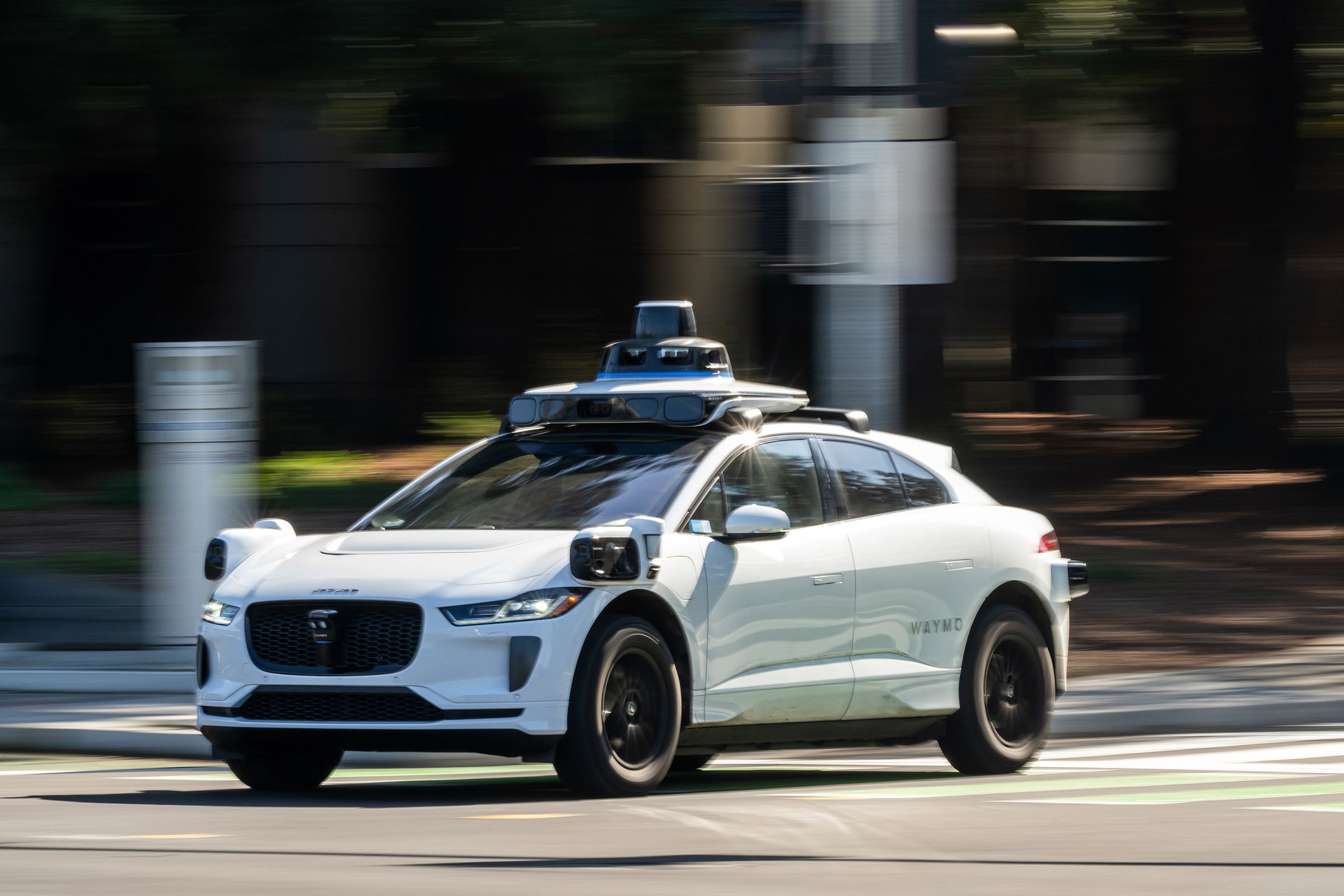
The promise of seamless autonomous navigation is colliding with the chaotic reality of emergency response. In major hubs like San Francisco and Austin, reports are mounting that emergency first responders say Waymos are getting worse during critical incidents. Police officers, firefighters, and paramedics have expressed growing frustration to federal regulators regarding the unpredictable behavior of these driverless fleets.
A Growing Obstacle to Public Safety
The primary reason emergency first responders say Waymos are getting worse involves the tendency for autonomous vehicles to "freeze" or become stuck in ways that impede emergency transit. In San Francisco, officials noted that these vehicles can block access to fire stations, preventing crews from responding to calls in a timely manner. This behavior is not merely a nuisance; it represents a direct threat to life-and-death situations where every second counts.
Failure in Situational Awareness
The issue extends beyond simple traffic obstructions to include a failure in basic situational awareness. In Austin, law enforcement officials reported that Waymo vehicles often fail to recognize or respond to hand signals from officers, particularly those on motorcycles. This lack of adaptability creates cascading delays during unusual road incidents or high-stakes emergencies.
Recent documented incidents highlight the volatility of the technology:
- A Waymo vehicle blocked an ambulance for two minutes while it was responding to a fatal shooting in downtown Austin.
- During a widespread power outage in San Francisco, over 60 Waymos had to be manually retrieved after struggling to navigate intersections without traffic signals.
- Emergency management officials reported that 911 operators have been forced to wait upwards of 53 minutes on Waymo's specific hotline during critical events.
Why Emergency First Responders Say Waymos Are Getting Worse
A significant point of contention is what responders call the "human element"—the remote support teams tasked with assisting vehicles from afar. Officers in San Francisco have expressed frustration at having to physically lean into robotaxis to communicate with remote operators. Because these vehicles lack exterior communication tools, such as microphones, it is nearly impossible for police to direct a vehicle away from danger without physical contact.
The Breakdown of the Human Element
The technology also appears to struggle when forced to interact with unpredictable human variables. While Waymo's data suggests that autonomous vehicles reduce serious crashes compared to human drivers, the software struggles with the social awareness required for complex urban environments. When faced with unexpected human behavior or manual overrides, the default programmed response is often to cease all movement, creating a stationary obstacle in high-traffic zones.
The Regulatory Path Forward
In response to these growing pains, regulatory bodies are beginning to implement stricter mandates to ensure integration. California’s Department of Motor Vehicles has introduced new regulations that require autonomous vehicle companies to respond to first-responder calls within 30 seconds. Furthermore, emergency officials will soon have the power to issue "do not enter" directives, forcing driverless fleets to clear an area within two minutes.
The long-term viability of widespread robotaxi service depends entirely on the ability to integrate into a complex, human-centric ecosystem. Addressing why emergency first responders say Waymos are getting worse is essential; if Waymo and its competitors cannot bridge the gap between algorithmic logic and the unpredictable demands of emergency services, regulatory roadblocks may stall the industry's expansion far more effectively than any technical glitch.