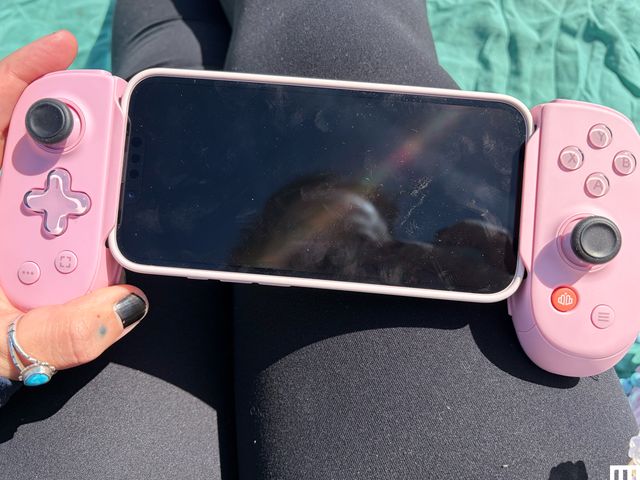
The global mobile gaming ecosystem generated over $90 billion in revenue in 2025, a figure that underscores the massive scale of on-the-go play and explains why manufacturers are pouring resources into mobile controllers optimized for both iPhone and Android platforms.
The industry has matured beyond simple Bluetooth dongles; today’s solutions blend precision engineering with intuitive software, delivering console-grade experiences across devices.
Design and Ergonomics: The Foundation of Long Sessions
- Comfort matters: Controllers with contoured grips reduce fatigue during marathon sessions.
- Weight distribution: Heavy controllers become burdensome quickly; balanced designs keep hands steady.
- Build quality: Durable materials and sealed ports protect against sweat and dust.
The Backbone One exemplifies ergonomic excellence, offering a lightweight chassis that fits comfortably in most palms while maintaining a solid grip. Its dual joysticks and responsive triggers remain consistent even after hours of play, thanks to high-quality switches and reinforced plastic frames.
Software Integration and Additional Features
- Cross-platform compatibility: Seamless switching between iOS and Android via USB-C or Lightning.
- Customization tools: Companion apps let users remap buttons, adjust sensitivity, and configure lighting.
- Connectivity options: Bluetooth 5.3 ensures low-latency pairing with multiple devices simultaneously.
Backbone’s ecosystem shines here; the built-in software offers quick access to game libraries, screenshot capture, and cloud sync for settings across phones. This level of integration benefits both casual players and competitive streamers who rely on stable configurations.
Targeted Recommendations Across Use Cases
- General-purpose: Backbone One — versatile, reliable, and affordable under $100.
- Premium comfort: Backbone Pro — slightly pricier but justifies the cost with enhanced ergonomics and Bluetooth flexibility.
- Travel-friendly: Mcon MagSafe — magnetic attachment makes it pocketable and ideal for on-the-move scenarios.
- Console-style immersion: GameSir G8 Galileo — full-size controls mimic PlayStation or Xbox aesthetics with hall-effect precision.
- Tablet compatibility: Razer Kishi Ultra — sliding mount accommodates larger screens while retaining responsive buttons.
Each model addresses distinct needs, whether you prioritize portability, performance, or ecosystem synergy.
Testing Methodology and Real-World Validation
Editorial teams evaluated controllers across popular titles like Call of Duty: Mobile, Genshin Impact, and Cyberpunk 2077. Sessions exceeded two hours to identify heat buildup, button bounce, and controller drift—common pain points often overlooked in spec sheets.
Controllers were tested on flagship iPhones alongside mid-range Android devices to ensure performance parity regardless of hardware tiers. Results highlighted Backbone’s consistency while noting Mcon’s quirks due to compact form factor.
Future Outlook and Emerging Trends
- Haptic advancements: Next-gen controllers may integrate localized feedback beyond simple vibration.
- AI-assisted controls: Predictive input could reduce latency in fast-paced genres.
- Modular designs: Swappable components might let users adapt controllers for different games without multiple purchases.
As 5G and cloud gaming mature, controllers will likely evolve toward lighter builds with integrated streaming capabilities, further blurring lines between phone and console experiences.
In summary, selecting the right mobile gaming controller hinges on matching design intent, software flexibility, and intended play environment. Whether you seek everyday comfort, travel readiness, or high-end immersion, current options deliver compelling value and performance across iOS and Android ecosystems.