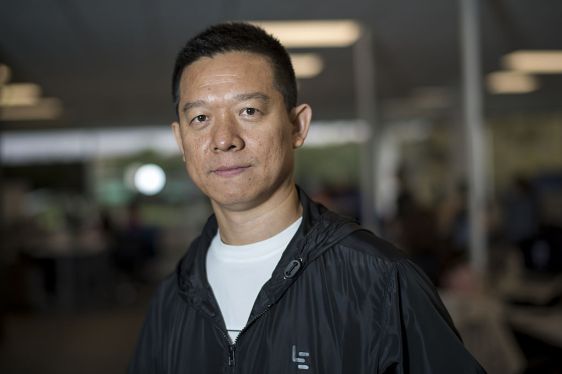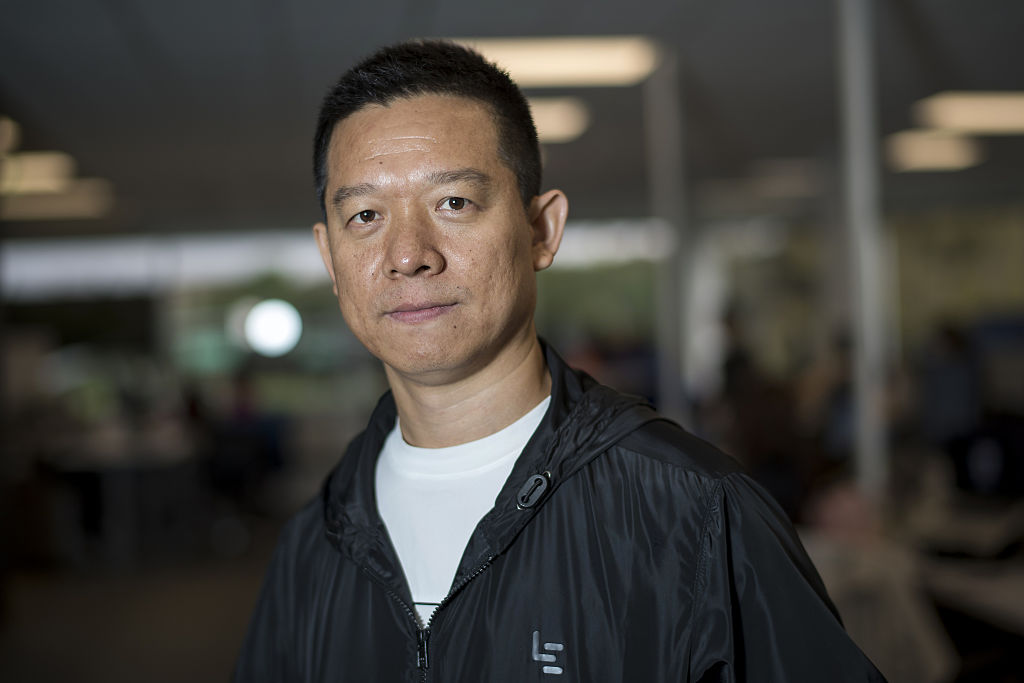
A multi-million dollar outflow to a founder’s private entity represents a staggering contradiction for an electric vehicle startup that produced only four vehicles and endured nearly $7.5M in losses during the same fiscal period. Recent regulatory filings confirm that Faraday Future paid $7.5M to a company tied to founder Jia Yueting, highlighting a massive disconnect between corporate spending and production reality. While most struggling manufacturers focus on extreme cost-cutting, Faraday Future is instead directing significant capital toward companies controlled by its founder.
Analysis: Faraday Future Paid $7.5M to Company Tied to Founder Jia Yueting
The revelation of these payments comes via Faraday Future’s annual proxy filing, which details approximately $7.5 million sent to FF Global Partners LLC throughout 2025. This entity is described as an "affiliate" of Jia Yueting, a man who maintains significant influence over the company's operations. The breakdown reveals a troubling lack of transparency regarding where shareholder capital is being deployed:
- $2 million designated as a "bonus payment"
- Monthly "consulting" fees totaling $100,000
- $1.7 million used to repay loans held by FF Global
- An additional $2.6 million that remains entirely unexplained in the filing
These transactions occurred while the Securities and Exchange Commission (SEC) was actively investigating Faraday Future for "related party transactions" and potential misrepresentations regarding Jia’s level of control. Although the SEC dropped its four-year investigation in March, the closure coincided with a broader decline in federal white-collar crime enforcement. For investors, the lack of clarity surrounding how Faraday Future paid $7.5M to a company tied to founder Jia Yueting remains a significant red flag.
A Governance Crisis and Internal Conflict
The structural relationship between Faraday Future and FF Global Partners LLC creates what the company itself identifies as a major risk factor. The filing explicitly warns that Jia Yueting and his affiliates exert enough control over management and operations to potentially execute decisions that are "not aligned with our business or $\text{financial objectives.}$"
The company’s governance history is marked by extreme volatility. In 2022, the board of directors attempted to sideline Jia after discovering that Faraday Future had misrepresented his level of control following its 2021 public listing. The ensuing power struggle became remarkably physical and personal; members of the board were subjected to intense pressure and even death threats during a campaign by FF Global to install more favorable leadership. Ultimately, the resistance collapsed, and Jia was re-installed as the company's sole CEO.
Financial Shadows and Future Pivots
Faraday Future’s financial obligations extend far beyond the recent payments to FF Global. The company remains entangled with the remnants of Jia's former Chinese tech empire, LeEco. Current filings show that Faraday Future owes $8.5 million to Leshi Information Technology Co. Ltd. for "advertising services," alongside other smaller debts to Jia-related loan companies.
As the company attempts to pivot away from its original high-end EV ambitions toward selling cheaper, Chinese-imported vans and robots, a fundamental question remains. Can the startup ever achieve true corporate independence? The current trajectory suggests a company that functions more as a vehicle for the founder's existing web of enterprises than as a standalone manufacturer. Unless the firm can decouple its balance sheet from the interests of FF Global, it remains less an automotive startup and more a complex exercise in corporate restructuring.