The integration of large language models into professional workflows has fundamentally expanded the attack surface for modern cybercriminals. As these tools transition from experimental novelties to essential components of corporate infrastructure, the potential for high-stakes data breaches grows. This is why OpenAI announces new advanced security for ChatGPT accounts via its recent launch of Advanced Account Security (AAS).
This new framework signals an era where the security of an AI account is as critical as the integrity of a bank account or a primary email address. OpenAI is moving to ensure that access remains protected against increasingly sophisticated digital threats.
How OpenAI’s New Advanced Security for ChatGPT Accounts Works
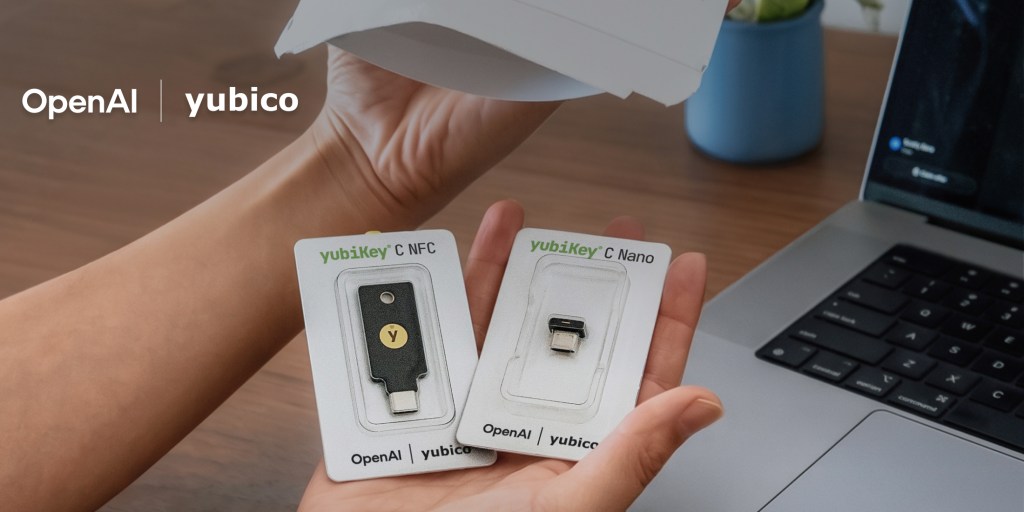
The centerpiece of this new security framework is a strategic partnership with Yubico, the industry leader in hardware-based authentication. Through this collaboration, OpenAI is enabling users to link physical security keys directly to their ChatGPT accounts.
The rollout features two specific co-branded products:
- YubiKey C NFC
- YubiKey C Nano
These devices function as a physical barrier that remote attackers cannot bypass through traditional software-based deception. The mechanics of this protection rely on a unique cryptographic identifier stored on the hardware itself.
When a user attempts to log in, the system requires the physical presence of the key via a computer's USB port or through Near Field Communication (NFC). This effectively neutralizes phishing attacks, which remain one of the most prevalent methods for compromising digital credentials. By moving authentication from a memorized password to a physical object, OpenAI is bridging the gap between convenience and high-assurance security.
Protecting High-Value Targets in an Era of Extortion
While the AAS program is available to any user who opts in, its primary utility lies with those handling sensitive or politically charged information. The threat landscape has become increasingly sophisticated as bad actors recognize that chatbot histories often contain proprietary code, confidential legal strategies, and personal vulnerabilities.
The target audience for this OpenAI advanced security includes:
- Journalists and researchers working with leaked or sensitive documents.
- Political dissidents operating in high-surability environments.
- Enterprise users managing corporate secrets and intellectual property.
- Elected officials and government contractors handling sensitive communications.
This move follows a broader industry trend toward specialized cybersecurity models. Competition is intensifying, as seen with Anthropic recently announcing its Mythos cybersecurity model. As the AI arms race progresses, the battleground is shifting toward which ecosystem can provide the most robust defense against digital adversaries.
The Cost of Absolute Security and Zero-Trust Architecture
Implementing such stringent security measures introduces a significant operational risk: the permanence of error. In a traditional account recovery scenario, a lost password or compromised email can usually be remediated through customer support.
Under the Advanced Account Security framework, the loss of a physical YubiKey could result in the permanent loss of account access. Because the cryptographic link is tied to the hardware, OpenAI has indicated they cannot bypass the requirement for the key during login attempts.
If a user loses their device and has not configured secondary backup methods, their entire chat history could be rendered inaccessible forever. This transition to a zero-trust architecture necessitates a level of personal responsibility that many casual users may find daunting. As AI becomes more deeply embedded in global industry, the era of treating AI accounts as low-stakes utilities is officially over.