Netflix’s second installment of its high-octane animated series arrives on May 12, following a debut season that balanced frustrating narrative hiccups with a killer soundtrack and a chaotic finale. While the first season established the world, our Devil May Cry Season 2 review finds that the show has evolved into something much more layered. By leaning heavily into political allegory and deepening the emotional stakes of Dante’s lineage, the series manages to transcend its identity as a mere gorefest.
A More Political Narrative
The fallout from the first season's finale—where a cowboy U.S. President invaded Hell to the sounds of Green Day—is the driving force behind this new chapter. The war is far from popular; despite relentless propaganda from the government and DARKCOM, the public backlash grows as footage of black site detention centers and civilian torture leaks to the world.
Showrunner Adi Shankar isn't afraid of subtlety—or rather, a lack of it. The show utilizes overt references to the Iraq War paired with an early 2000s-inspired soundtrack to create a distinct identity. While some might find the subtext "on the nose," it provides a unique texture that sets this adaptation apart from its peers.
Vergil Elevates the Story
The central conflict involves Vice President Baines (played by Ian James Corlett, stepping in for the late Kevin Conroy) and Arius, the head of the Uroboros Corporation. While Arius serves as a somewhat predictable villain—drawing inspiration from the plot of Devil May Cry 2—he ultimately acts as a catalyst for the season's true standout: Vergil.
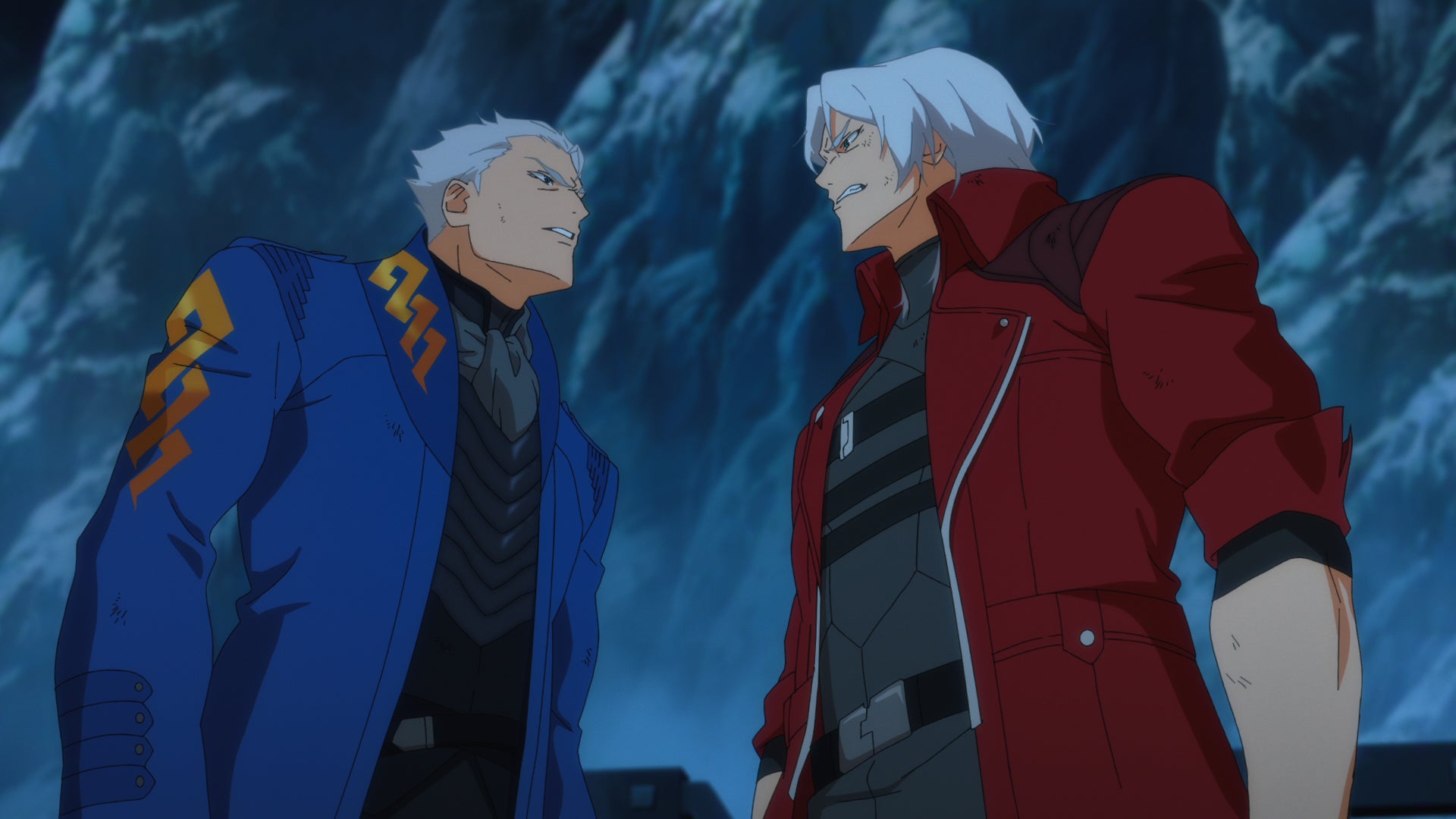
As the agent of Hell sent to dismantle Uroboros, Vergil immediately commands the screen. He is the perfect foil to Dante:
- Personality: Serious, no-nonsense, and incredibly vicious.
- Introduction: A brutal massacre of Uroboros soldiers set to Drowning Pool’s "Bodies."
- Arc: A complex quest for vengeance that challenges his personal sense of justice.
The Emotional Heart of Season 2
While the first season focused on Dante discovering his half-demon heritage, this season shifts the lens toward their mother, Eva. Through poignant flashbacks, we see how her influence shaped the divergent paths her sons eventually took.
Johnny Yong Bosch and Robbie Daymond deliver powerhouse performances, capturing the trauma and emotional scars that drive both characters. This depth ensures that even when the scripts lean into predictable territory, the Devil May Cry story remains riveting.
Animation and Soundtracks
Visually, the series is a mixed bag. While some CG demons and the occasional use of still images during action sequences can be jarring, the kinetic energy provided by Studio Mir is undeniable. The animation remains dynamic, even experimenting with stylistic shifts in Episode 2 that recall the high points of the first season.
Coupled with a soundtrack filled with perfect "needle drops," the show maintains its status as one of the most stylish video game adaptations currently on streaming. Even with minor technical flaws, the character work and sheer momentum make this a must-watch for fans of the franchise.