Extrapolation is the Future of Frame Generation Without the Latency Hit… and It's Not Far Off
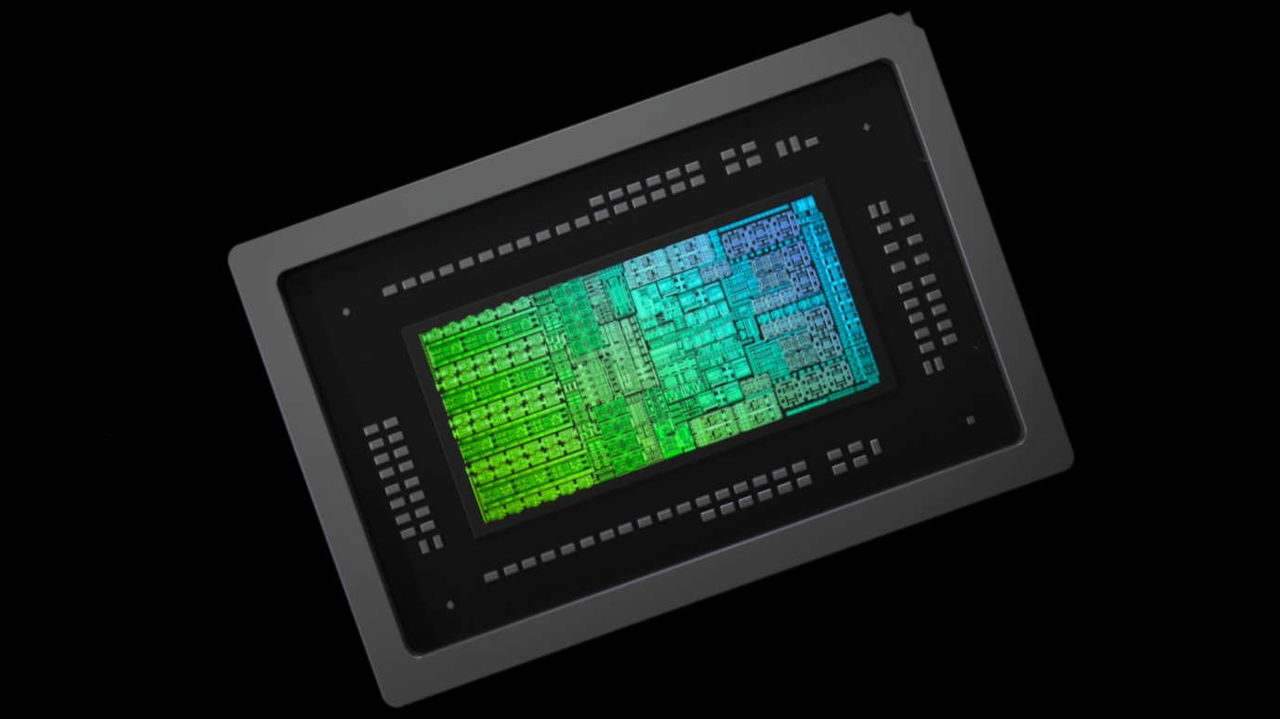
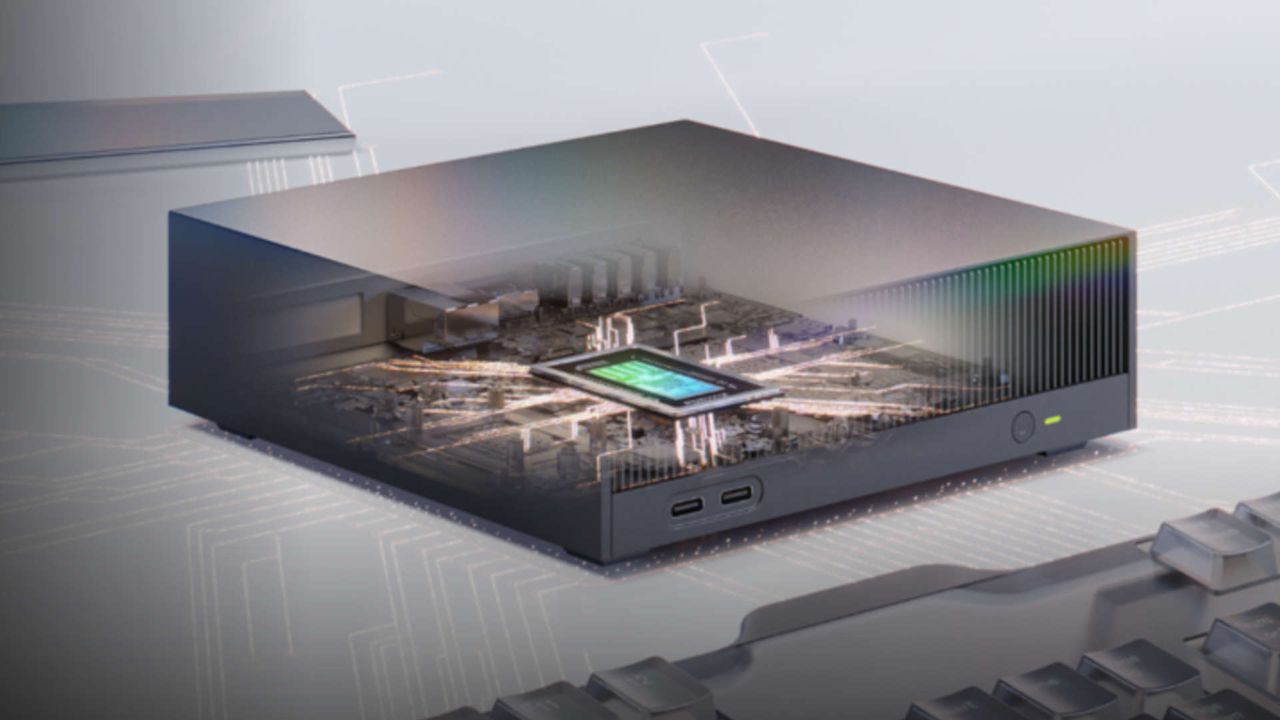
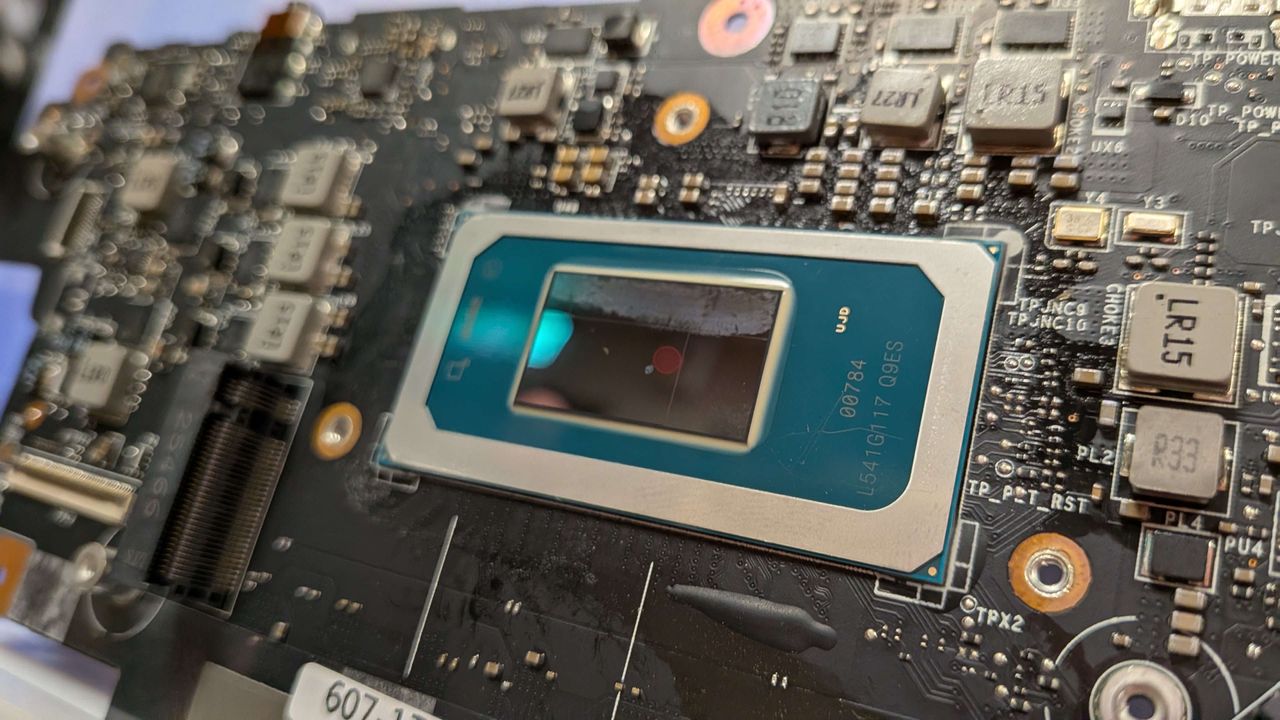
Computex has barely begun, yet already I've seen two of the most exciting gaming developments of the week: the new Nvidia RTX Spark Arm-based hardware and Intel's G3 family of handheld processors. This hardware is redefining the boundaries of gaming performance and battery life, delivering a far more robust experience than what we've seen in handheld PCs before. And it's all powered by an x86 CPU. But as Intel's Tom Petersen explained to me in downtown Taipei this morning, "you need frame generation to get a good experience" on handheld gaming PCs. However, the added latency from frame generation remains a barrier for many users.
The Latency Problem with Frame Generation
Latency is primarily derived from the time it takes to get the second frame. Simply enabling XeSS MFG can add about eight milliseconds of delay, which is a significant issue. That's why many users avoid frame generation altogether. In a handheld setting, the latency from the controller itself is even more than that eight milliseconds, but it still isn't acceptable.
Petersen hinted that Intel is planning to address this problem. The key lies in shifting away from the traditional interpolation method to extrapolation, a technique that promises to reduce the latency typically associated with frame generation.
How Extrapolation Differs from Interpolation
In the current implementation of frame generation, the process involves waiting for the second frame before generating additional frames. "We got the first frame, and then we waited this whole time until we got a second frame," says Petersen. "And when we got the second frame, we did all of our magic and generated three frames. When we got that all done, guess what we did. We showed you the first frame." This waiting period is where the latency comes from.
With extrapolation, the process changes. Instead of waiting for the second frame, the system uses AI to predict where the user is likely to be next. "We get the first frame and show it to you," says Petersen. "Then, instead of waiting for the second frame, we're using AI to predict where we think you're going to be. Thinking about where you've been, the direction you're going, you're probably going to keep going that way. So we're going to predict the frames and generate them."
Petersen acknowledges that extrapolation is not perfect—there will be times when predictions are off. However, this technique has the potential to significantly enhance the gaming experience. He also mentions another method that could further improve the situation, but it's not ready for discussion yet.
How Soon Can We Expect Extrapolation?
I expected Petersen to say that extrapolation was still years away, but he was more optimistic. He mentioned that he hoped to have a demo of the extrapolation technique ready to show off at Computex. Unfortunately, it didn't make the cut for the G3 Extreme showcase. However, the fact that such a demo was even considered suggests that the technology is closer to becoming a reality than many might think.
If there was even a chance that an extrapolation demo was going to be featured at Computex, it's clear that the technology is not too far off from becoming a standard feature in frame generation. This shift could potentially eliminate the latency concerns that have kept many gamers from embracing frame generation, making it a more attractive and practical option for handheld gaming.