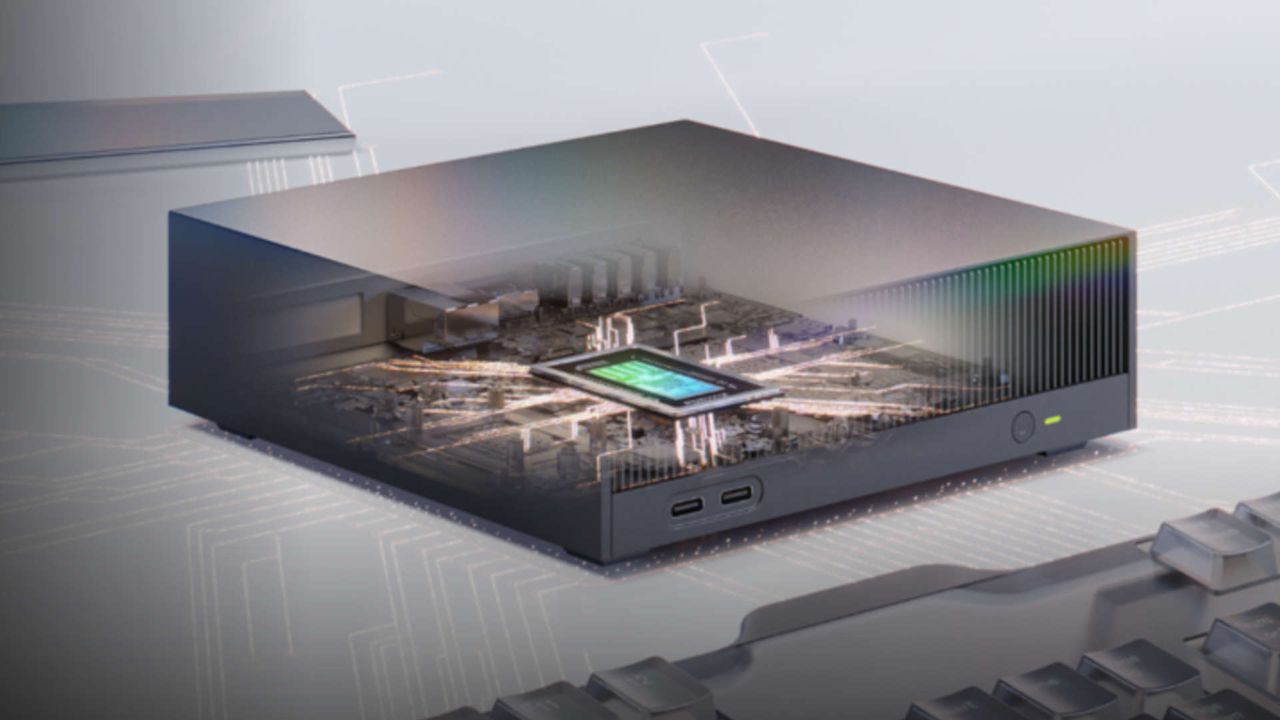
Nvidia has unveiled a bold new vision for the future of computing with its RTX Spark platform, a collaborative effort with Microsoft that aims to reinvent the PC. This initiative includes a lineup of laptops, desktops, and workstations running Windows on Arm, marking a significant shift in how we think about traditional PC hardware. The roadmap for RTX Spark extends at least through 2030, with each new architecture set to debut as part of the platform. This includes Grace Blackwell in 2026, Vera Rubin in 2027/2028, and Feynman in 2030.
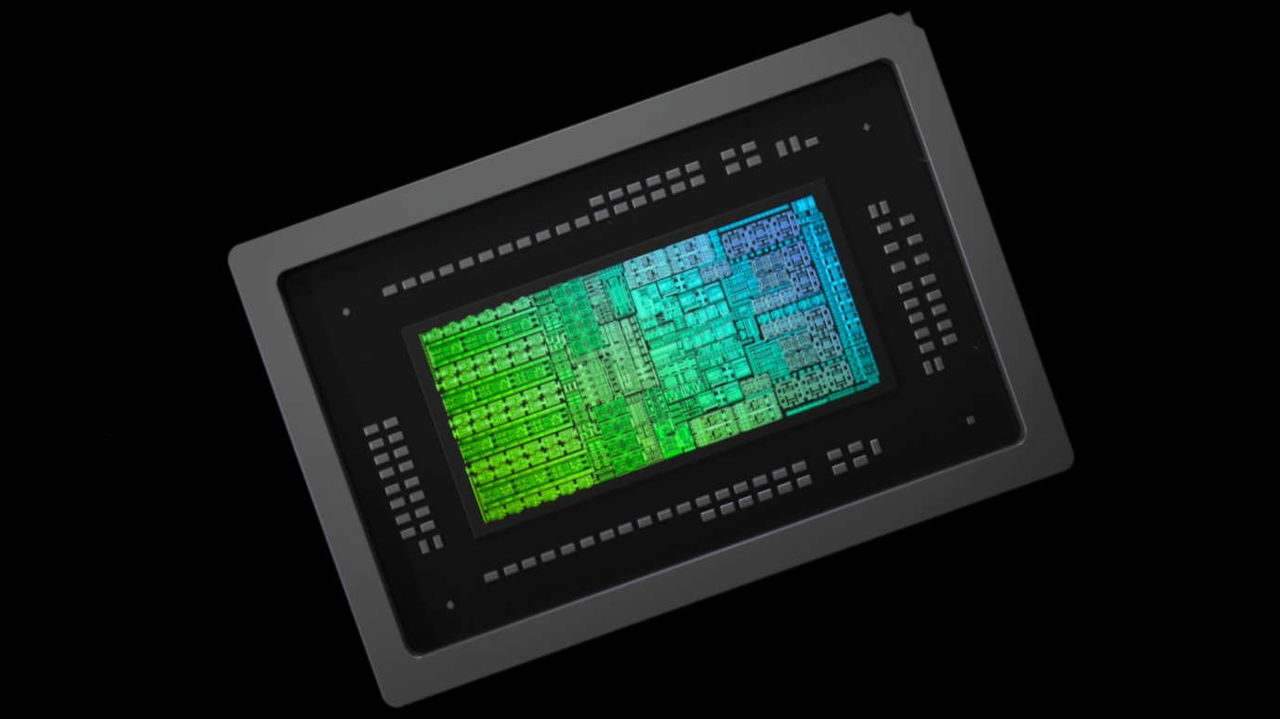
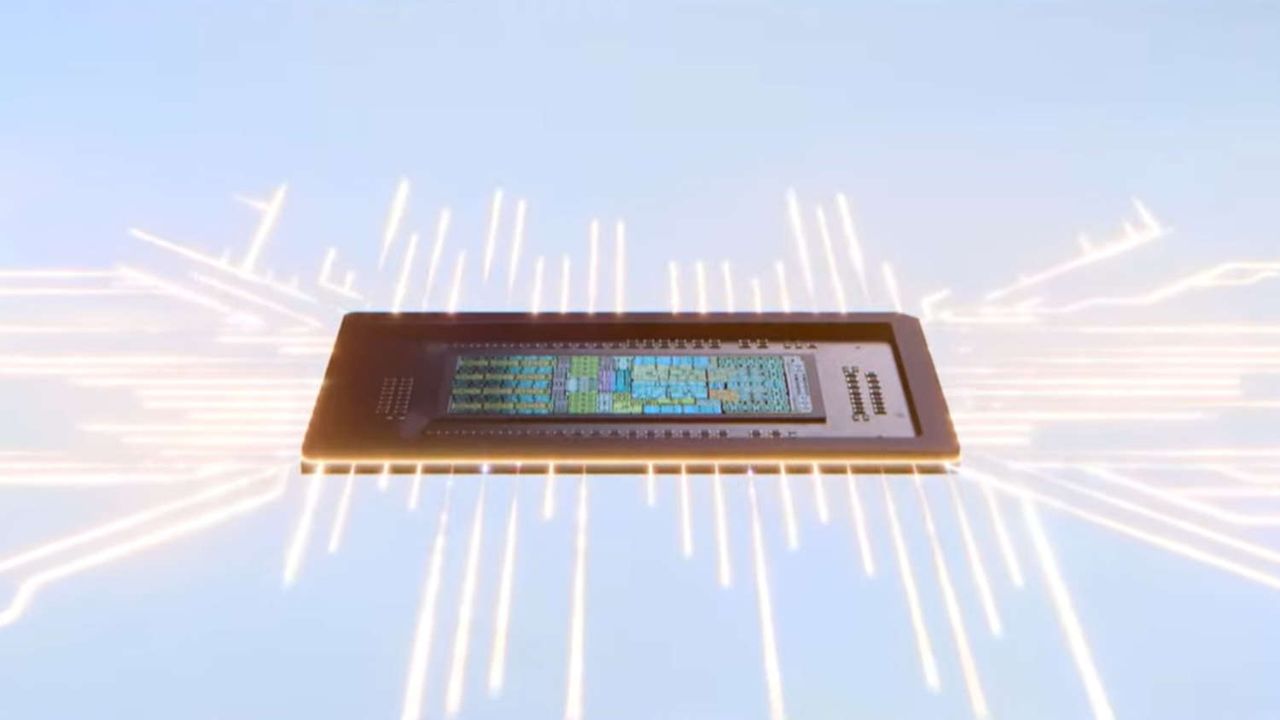
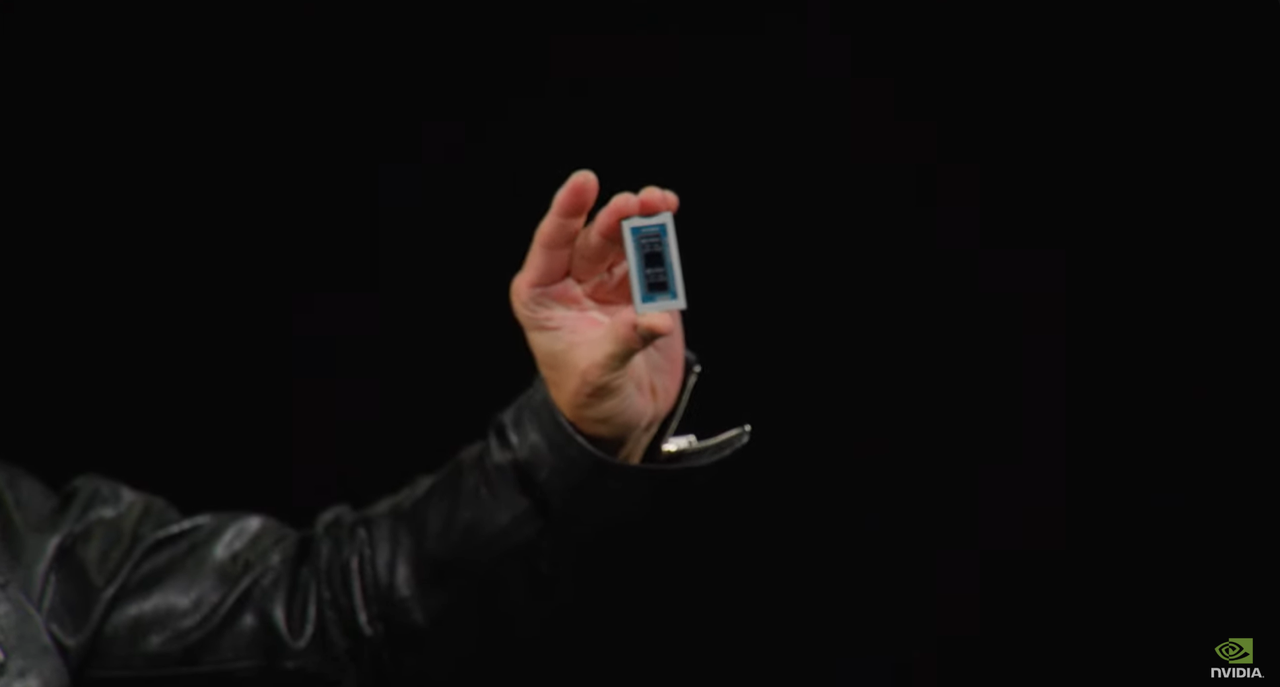
During his keynote at Computex, Nvidia CEO Jensen Huang revealed details about the first iteration of the platform, the Blackwell RTX Spark. This chip integrates 6144 GPU cores, 20 Grace CPU cores, and up to 128 GB of unified LPDDR5X memory into a single package — a dramatic departure from traditional PC components. The Vera Rubin version is expected to bring LPDDR6 memory, while the Feynman chip’s details remain sparse beyond its name. Huang also confirmed that Vera Rubin is now in full production, though the focus at Computex was on datacentre chips rather than consumer gaming hardware.
While the timeline for future RTX graphics cards remains unclear, the RTX Spark roadmap provides a glimpse into when we might expect next-gen GPUs. The upcoming Blackwell RTX architecture is expected to power the first RTX Spark chips, with subsequent generations likely following the same pattern. However, it’s possible that RTX Spark chips may launch after the corresponding graphics cards, meaning the 2026–2030 timeline could represent the latest possible release dates for new hardware.
Huang emphasized the significance of the RTX Spark initiative, stating it represents a "new line, a new beginning" for the PC industry. He also noted that 100% of the world’s PC industry has joined Nvidia and Microsoft in this endeavor, highlighting the scale of the collaboration. While Qualcomm and Apple have also disrupted the PC space in recent years, Huang’s comments suggest that RTX Spark is a fundamentally different approach, blending high-performance computing with the flexibility of Windows on Arm.
One of the most intriguing aspects of RTX Spark is its potential for gaming. During the event, Huang showcased two laptops running 007 First Light and Forza Horizon 6, emphasizing the platform’s gaming capabilities. Nvidia also highlighted a single performance claim: "100 FPS 1440p gaming. Ray Tracing and DLSS" on Forza Horizon. However, these details are currently minimal, and many questions remain about emulation performance, compatibility, and software support. As the platform is set to launch in the fall, more concrete information is expected to follow in the coming months.