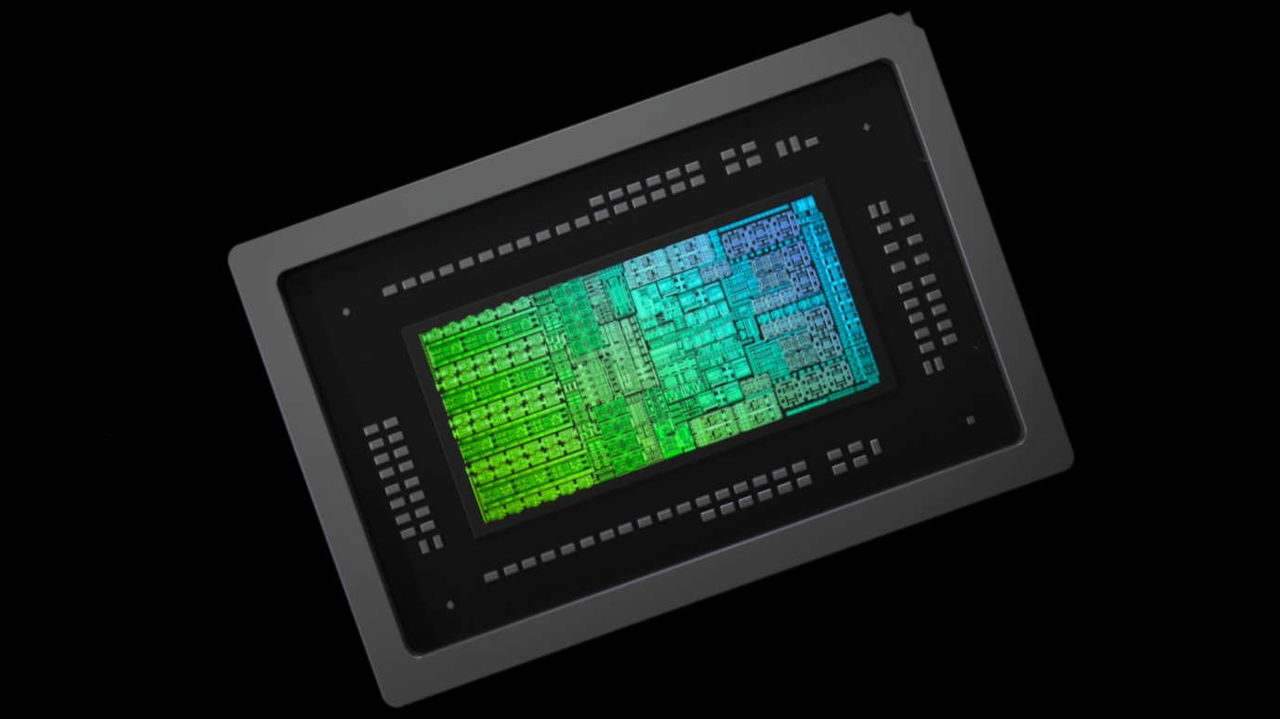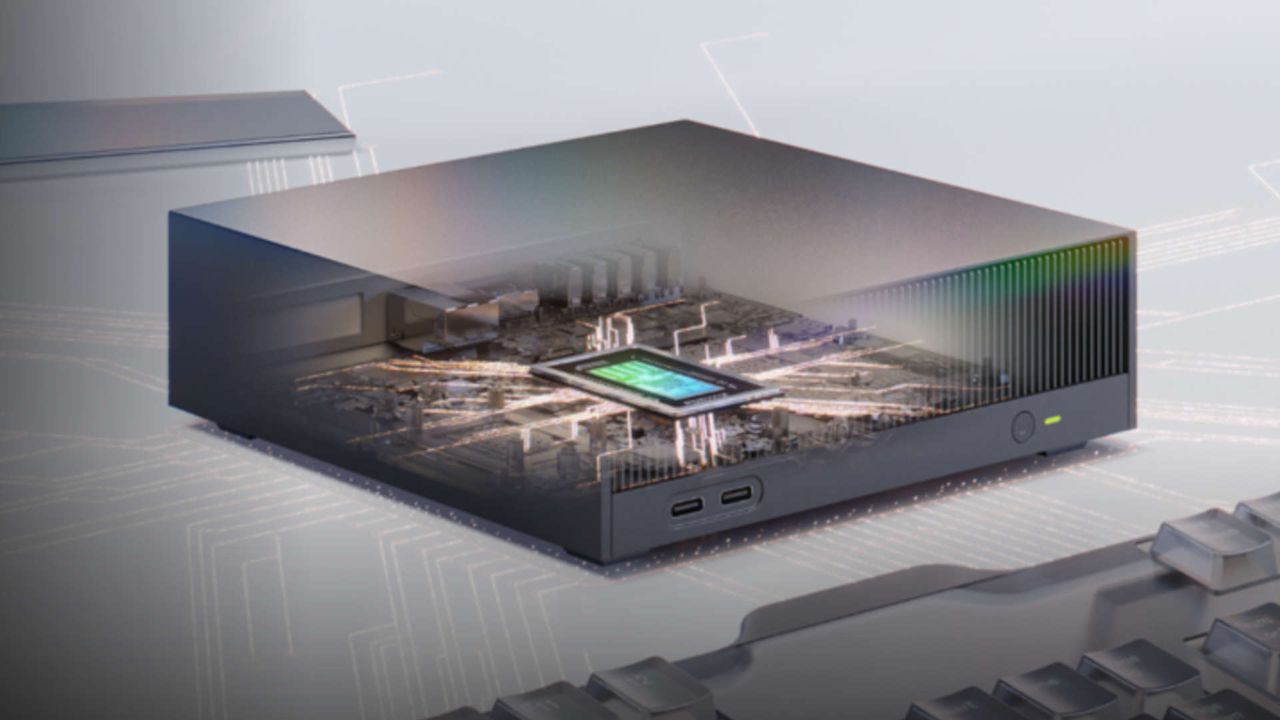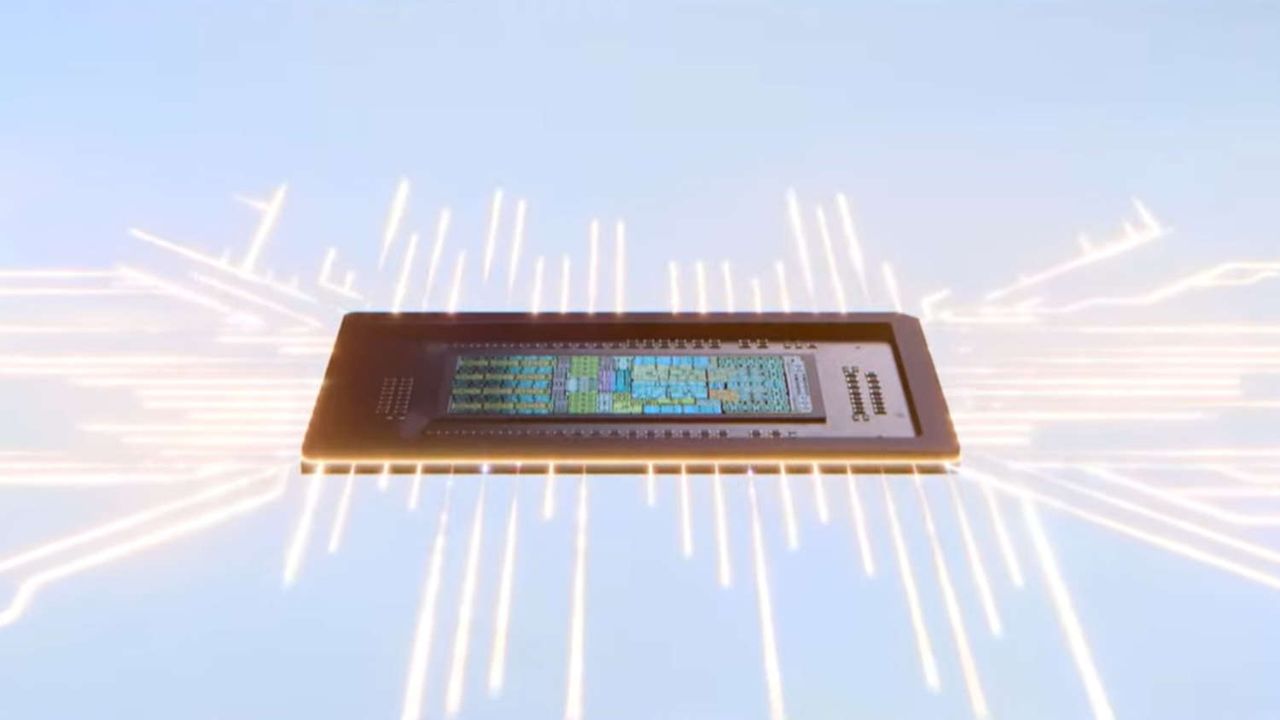
Nvidia has unveiled the RTX Spark, a revolutionary Arm-powered system-on-chip (SoC) designed to power the next generation of ultra-thin gaming laptops and compact PCs. This new chip combines up to 20 Grace CPU cores with up to 6188 CUDA cores in its GPU, alongside support for up to 128 GB of unified LPDDR5x memory. The most exciting feature, however, is the promise of gaming battery life that could redefine what’s possible in portable gaming devices.
During a pre-Computex briefing, Nvidia’s product marketing lead, Mark Aevermann, hinted at the RTX Spark’s potential without making direct claims. He emphasized that the chip is “the most efficient PC chip ever built” but cautioned against overpromising. However, he did confirm that users should expect gaming battery life that is “much better than anything you’ve seen before on RTX laptops.” This is a major leap forward for portable gaming, where performance and power efficiency are often at odds.
The reality of gaming battery life is complex. Aevermann noted that it depends on numerous factors, including frame rate targets, in-game settings, and the laptop’s battery capacity. “If you pull the maximum you can out of a battery, you’re only going to get 45 minutes to an hour,” he said. This is a common issue across all laptops, regardless of the hardware inside. However, the RTX Spark’s efficiency could change the equation, especially when optimized for specific use cases.
To understand the potential, it’s worth comparing with existing portable gaming solutions. Intel’s G3 Extreme handheld chips have demonstrated impressive endurance, with up to five hours of gaming battery life in demanding 3D environments like Cyberpunk 2077 and up to 11 hours in less-intensive games like Team Fortress 2. While it’s unlikely that RTX Spark laptops will match these numbers, the right settings and configurations could bring them closer.
For gamers who value portability without sacrificing performance, the RTX Spark could be a game-changer. Here’s what we know so far:
- Power efficiency: The RTX Spark is designed to deliver unmatched power efficiency, potentially extending battery life during gaming sessions.
- Performance balance: With a mix of CPU and GPU cores, the chip aims to balance performance and power consumption.
- Battery capacity: The actual battery life will depend on the laptop’s battery size and how it’s utilized.
Nvidia’s RTX Spark is still in the early stages of deployment, with devices expected to launch later this year. As more details emerge, the true potential of this chip will become clearer — but for now, the promise of gaming battery life that surpasses current standards is enough to generate excitement.