Nvidia's RTX Spark: A New Era for Arm-Powered Gaming Laptops
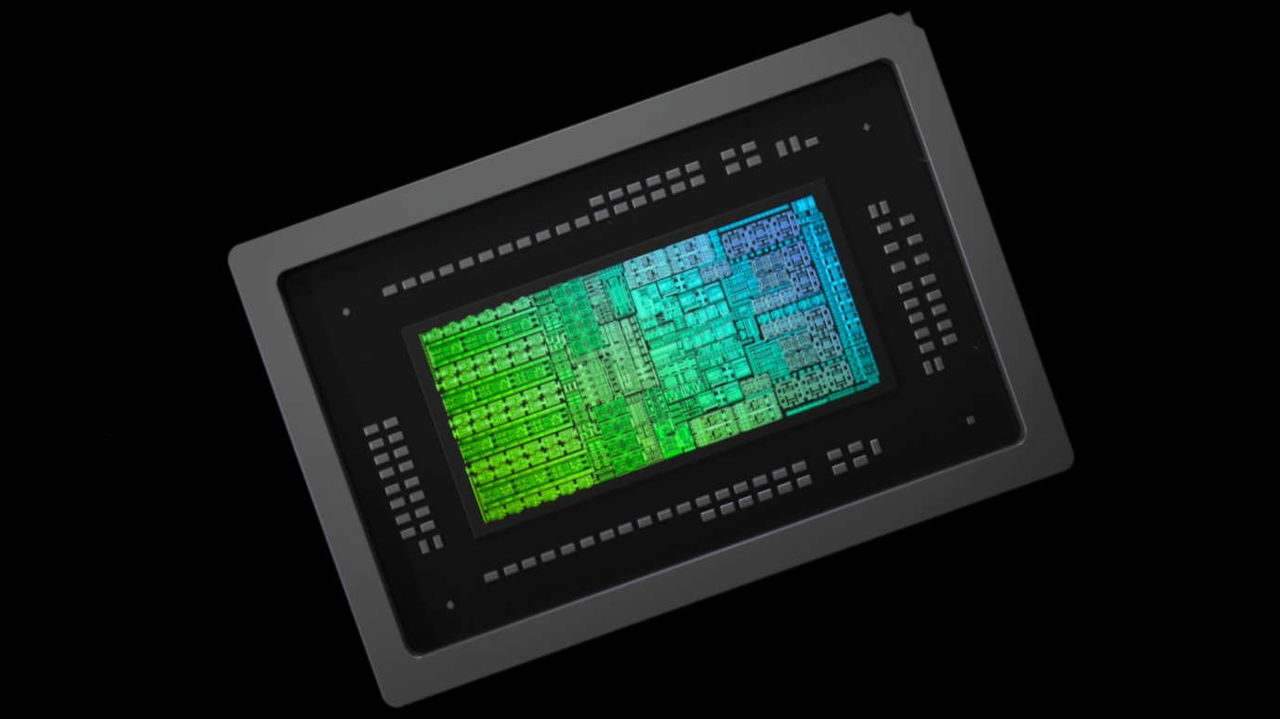
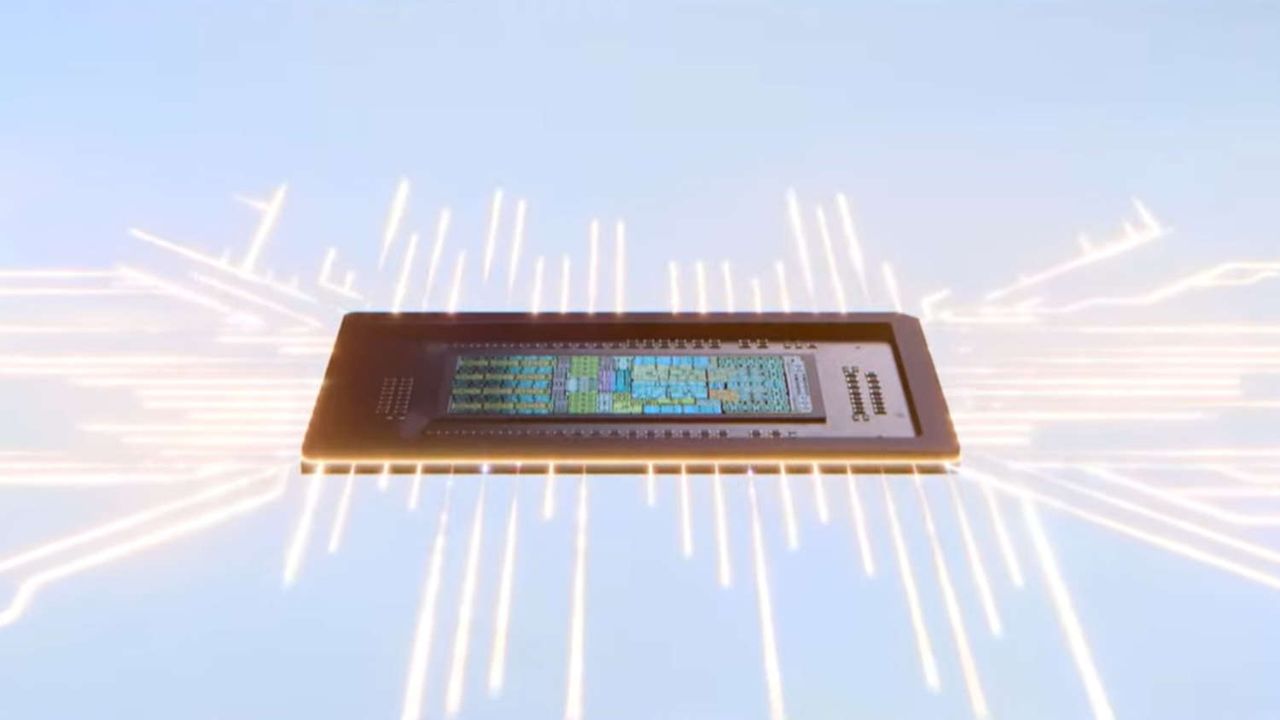
After years of speculation and leaks, Nvidia has finally unveiled the RTX Spark SoC, previously known as the N1X. This groundbreaking chip combines a MediaTek Arm chiplet with an Nvidia GPU core, marking a major step in the company's efforts to create its own notebook platform. The RTX Spark promises up to 20 Grace CPU cores, 6144 RTX Blackwell GPU cores, and up to 128 GB of unified LPDDR5x memory. However, the "up to" phrasing suggests that the high-end configurations will likely come with a hefty price tag.
Nvidia has confirmed that the RTX Spark will be a family of products targeting various price points. Mark Aevermann, consumer product marketing lead for RTX Spark, noted that configurations will range from 16 GB to 128 GB of memory. While the 16 GB variants may be more gaming-focused and affordable, they may not be available at the initial launch, which is expected to feature six premium laptops from Asus, Dell, HP, Lenovo, Microsoft, and MSI.
A Wide Range of Form Factors and Future Possibilities
Aevermann mentioned that over 30 laptops and several desktops will be available initially, with more devices expected over time. The RTX Spark's power efficiency, ranging from 80 W down to the "low, low single digits," hints at potential use in handheld devices. This is particularly intriguing given Intel's recent announcement of the G3 Extreme.
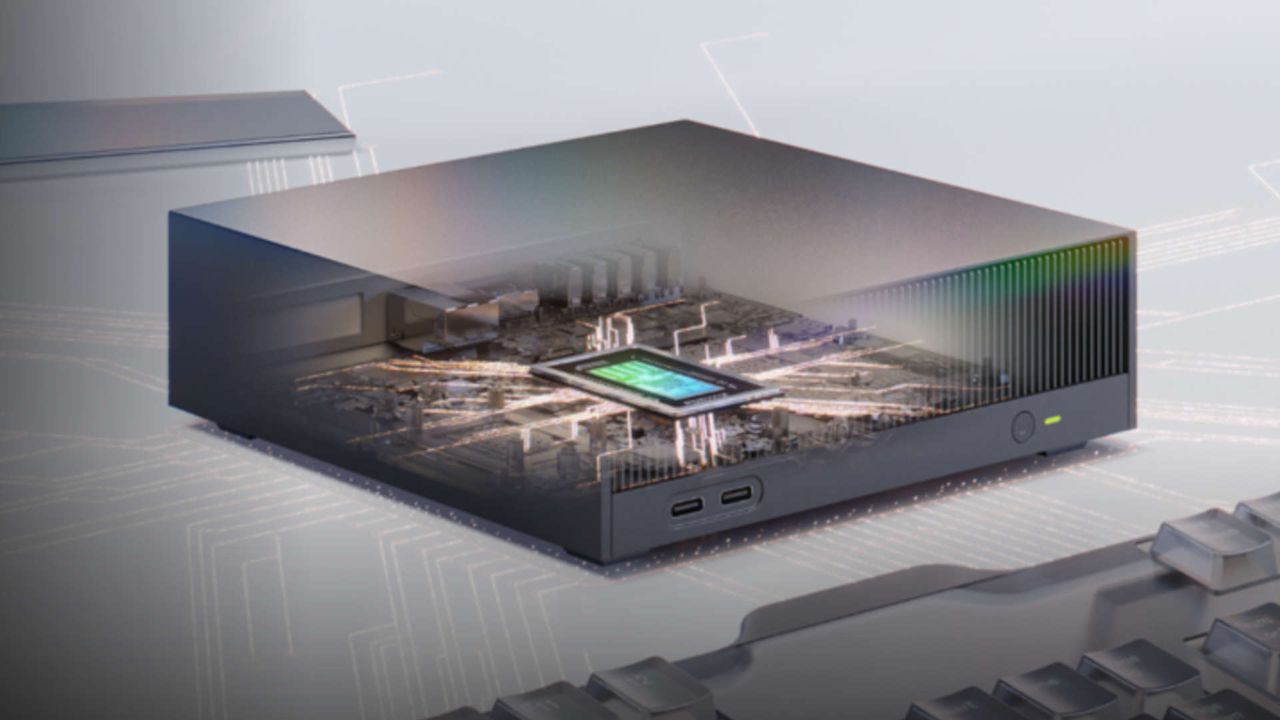
Beyond laptops, Nvidia has also announced that mini PCs equipped with the RTX Spark will be released in the autumn. These will be available from major manufacturers like Acer, Asus, Dell, Gigabyte, HP, MSI, and Lenovo. This could create an interesting comparison with the upcoming Steam Machine, although no specific release date has been set for that.
Challenges and Opportunities in the Arm Ecosystem
Despite its promise, the RTX Spark faces a significant challenge: its use of a custom Arm CPU instead of x86. This means that Windows-on-Arm (WoA) will be the primary operating system, relying heavily on Microsoft's Prism emulator to translate x86 code. Nvidia has expressed confidence in the emulator's capabilities, having worked through many of the issues that have plagued previous WoA devices.
Aevermann also pointed out that while the RTX Spark's GPU could theoretically deliver performance comparable to the RTX 5070, the actual results will depend on how well applications handle the emulation layer. Nvidia is actively working with game developers to ensure compatibility and performance across the board, including support for major anti-cheat systems like Easy Anti-Cheat, BattlEye, and Denuvo.
Several major titles are already in the works for the RTX Spark, including Fortnite, VALORANT, League of Legends, and PUBG. Nvidia is collaborating with developers to ensure these games run smoothly on the new platform. More game announcements are expected in the coming months.
With the RTX Spark set to launch later this year, the gaming community will be watching closely to see if Nvidia's confidence in the Prism emulator and developer support translates into a truly exceptional gaming experience on Arm-powered devices.