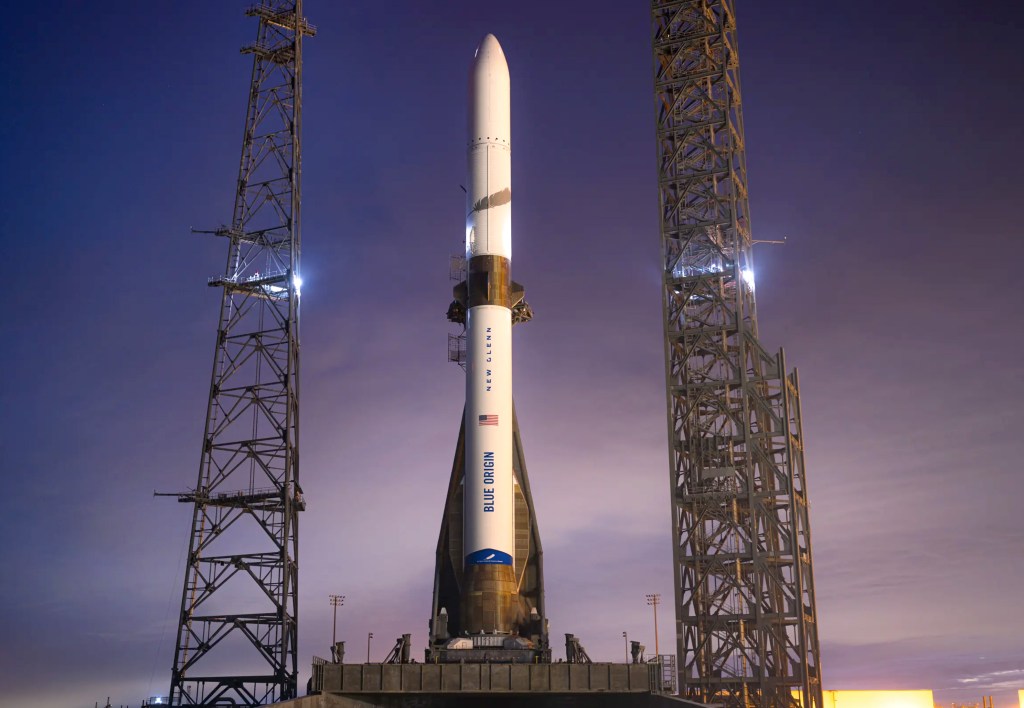
The FAA orders investigation into Blue Origin’s New Glenn mishap following a critical upper stage malfunction. This regulatory move has effectively halted the company's flight cadence indefinitely. While the mission achieved a landmark booster recovery, the loss of a high-value payload has triggered intense federal scrutiny.
Technical Successes and Payload Failure
The recent mission for the heavy-lift vehicle showcased a stark dichotomy between engineering triumphs and operational failures. Blue Origin successfully achieved a milestone by reusing a New Glenn booster and landing it on an ocean drone ship. This capability is essential for competing in the modern launch economy and challenging the market dominance of SpaceX.
However, these achievements were overshadowed by the failure of the rocket's upper stage. While the second stage separated from the booster, it failed to maintain the necessary orbital parameters for its primary customer, AST SpaceMobile. The communications satellite was placed in an orbit significantly lower than planned.
Due to this altitude error, the satellite will likely succumb to atmospheric drag and burn up upon reentry. This loss of a high-value asset creates significant hurdles for the constellation's roadmap. The failure highlights a critical vulnerability in the current flight profile of the heavy-lift vehicle.
Implications of the FAA orders investigation into Blue Origin’s New Glenn mishap
The financial and operational fallout for AST SpaceMobile has been immediate. Following the news, the company's stock price experienced a sharp decline of more than 10% during Monday morning trading. While insurance coverage will mitigate the direct cost of the lost satellite, the deployment schedule remains impacted.
As the FAA orders investigation into Blue Origin’s New Glenn mishap, several critical areas for the company are at risk:
- Launch Cadence: The indefinite pause threatens Blue Origin’s ambitious goal of 12 additional missions this year.
- National Security: Blue Origin requires an unblemished flight record to secure U.S. Space Force certification for sensitive missions.
- Lunar Ambitions: The company's roadmap for NASA’s Artemis-related initiatives relies on a predictable and reliable platform.
- Market Competition: Prolonged delays may allow competitors to consolidate their hold on the orbital capacity market.
The investigation will likely focus on the propulsion or structural integrity of the upper stage during independent flight. For Blue Origin, the challenge is no longer just about landing a booster; it is about proving they can deliver payloads with extreme precision.
The Path Forward for New Glenn
The industry is watching closely to see how Blue Origin manages the tension between rapid iteration and mission reliability. While the successful landing of the booster proves the company possesses the fundamental technology for sustainable spaceflight, the upper stage failure remains a significant setback.
If the investigation reveals a systemic flaw in the architecture, the timeline for a New Glenn resurgence could be measured in years. To transition from a secondary player to a primary competitor, Blue Origin must demonstrate a robust track record of mission success. The final report on the FAA orders investigation into Blue Origin’s New Glenn mishap will determine if this was an isolated anomaly or a fundamental setback for American rocketry.