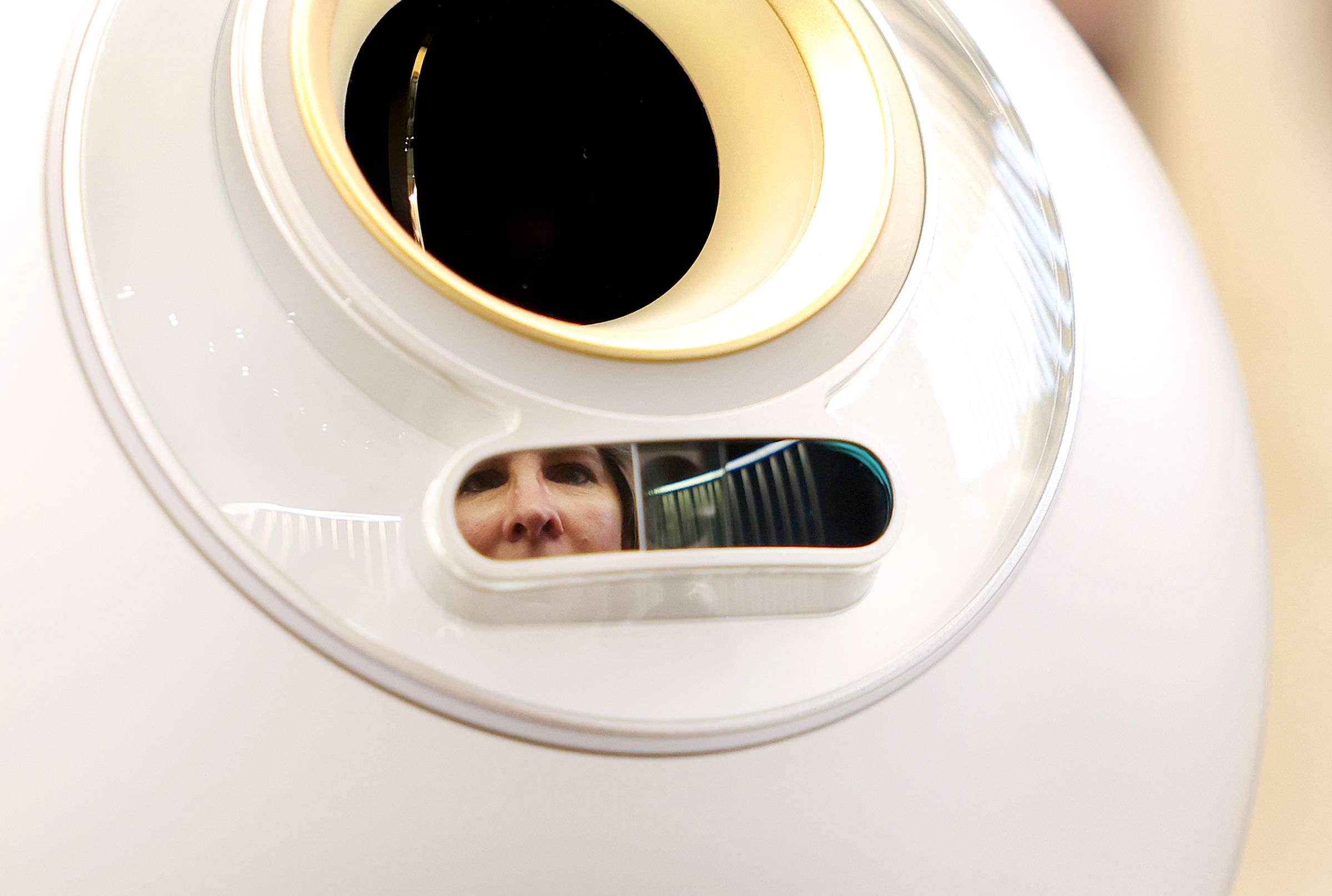
As AI agents become increasingly indistinguishable from real people, Sam Altman’s Orb is stepping in to provide a biological proof of life. With 18 million individuals already undergoing iris scanning via the Orb to secure a verified digital identity within the World network, the project has reached a massive milestone. The latest deployment targets one of the most high-stakes environments for human interaction: Tinder.
By allowing users to attach a digital badge to their profiles, the platform aims to provide a definitive signal that a person is not an automated AI agent, but a biological human being. This move marks a significant expansion in the project’s attempt to establish a global, biometric-backed layer of authentication.
Scaling Human Authenticity in the Age of AI
The integration into Tinder follows a successful pilot program in Japan and represents a massive-scale test for World (formerly known as Worldcoin). As companies like OpenAI and AnthAnthropic push highly capable AI agents into the mainstream, the boundary between digital personhood and automated scripts is blurring.
For dating applications, where trust is the primary currency, the ability to prove biological existence offers a tangible way to mitigate the rising tide of "cat#fishing" via large language models. This shift toward verified identity is essential as the digital landscape becomes more crowded with synthetic users.
Using Sam Altman’s Orb on Tinder for Premium Benefits
To incentivize this adoption, Tools for Humanity—the entity behind World—is offering functional benefits to verified users. On Tinder, those with a World ID can receive five free "boosts," a premium feature designed to increase profile visibility by up to ten times for a set duration.
This strategy moves the technology beyond mere novelty and into the realm of utility-driven adoption. By rewarding biological verification with tangible platform advantages, the project aims to build a user base that values authenticated interaction.
A Growing Ecosystem of Verified Platforms
The expansion into dating is only one facet of a broader push to integrate biometric verification into the foundational layers of the internet. During recent industry events in San Francisco, several enterprise and consumer partnerships were unveiled, suggesting that World aims to become an ubiquitous identity provider.
The goal is to create a decentralized way to verify humans without the invasive requirement of uploading government-issued identification to every new service. The current ecosystem of integrations includes:
- Zoom: Enabling participants to require identity verification before joining video conferences.
- Docusign: Integrating World ID technology to ensure the legitimacy of digital contract signers.
- Reddit: Currently testing the technology as a solution for distinguishing between real users and bot networks.
- Concert Kit: A new tool designed to allow artists, such as Thirty Seconds to Mars, to reserve ticket pools exclusively for verified humans to combat scalping.
This diversification indicates that the company is moving away from its initial focus on cryptocurrency incentives toward a broader vision of identity-as-a-service. While the original "Worldcoin" branding focused heavily on token distribution, the new "World" identity centers on the utility of being "human-backed."
Regulatory Friction and the Privacy Paradox
Despite this rapid expansion, the path to global adoption is fraught with significant legal and regulatory hurdles. The project has faced intense scrutiny from governments in Kenya, Spain, and Portugal, all of which have launched investigations into potential violations of data protection laws. In Brazil, long-term bans remain in place, preventing the hardware-dependent technology from expanding into key markets.
The tension lies in the nature of the data being collected. While Tools for Humanity maintains that World ID is one of the most private authentication methods available—utilizing unique cryptographic keys rather than storing raw biometric images—the collection of iris scans inherently triggers high-level privacy alarms.
Regulators are increasingly wary of any centralized entity possessing the ability to verify the biological uniqueness of millions of citizens. As the industry enters an era where "human-backed agents" may soon operate on our behalf via platforms like Shopify and Vercel, the need for a reliable identity layer will only grow. The success of World will ultimately depend on whether it can convince both the public and global regulators that a digital eyeball scan is a tool for empowerment rather than an instrument of surveillance.