In professional esports, a single millisecond of delayed reaction time can decide a championship. This razor-thin margin is exactly what Boston-based startup Neurable is targeting as they transition their noninvasive brain-computer interface (BCI) technology into a widespread licensing model. Rather than focusing solely on proprietary hardware, the company intends to embed its EEG sensors into a massive influx of brain-scanning consumer gadgets over the next two years.
Expanding Beyond Proprietary Hardware
Historically, Neurable’s market presence has been defined by specific partnerships, such as their collaboration with Master & Dynamic to produce high-end, brain-sensing headphones. However, a recent shift toward a platform-based approach promises to move this technology from niche audio gear into much broader categories of head-worn devices.
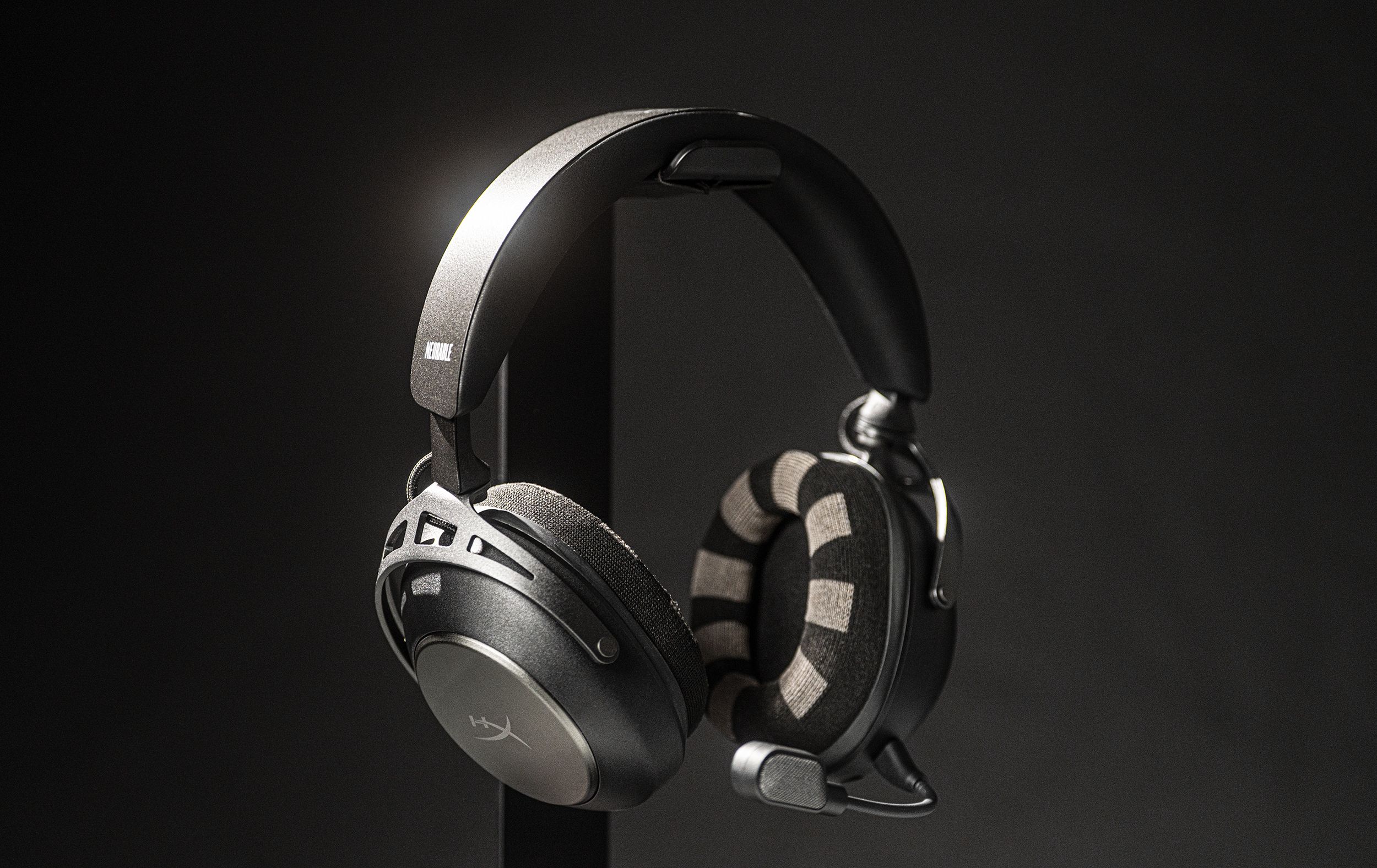
The first major wave of this expansion is already visible through an upcoming partnership with HyperX, an HP-owned gaming brand. This new headset aims to optimize human performance by monitoring neural states during intense competition, specifically targeting:
- Reduced response times in fast-paced first-person shooters.
- Increased accuracy during high-pressure gameplay.
- Identification of optimal "cognitive readiness" windows.
The Rise of Hardware-Agnostic Neural Tech
Neurable's strategy is intentionally hardware-agnostic. Neurable cofounder and CEO Ramses Alcaide has indicated that the platform is designed to be integrated into anything that touches the head, including smart glasses, helmets, and even casual hats.
This move mirrors the trajectory of the fitness wearable market. Just as heart-rate monitoring transitioned from specialized athletic gear to a standard feature in every smartwatch, neural monitoring aims to become an invisible, ubiquitous layer within our ecosystem of brain-scanning consumer gadgets.
The Metrics of Mental Performance
The core utility of this technology lies in its ability to translate complex brain waves into actionable, digestible metrics. By utilizing EEG sensors to monitor cognitive strain and mental recovery, companion applications can nudge users toward "brain breaks" before they reach total burnout.
This capability extends far beyond the gaming chair, offering potential utility for students managing exam anxiety or athletes conditioning their nervous systems for high-stakes competition. The data provides a granular look at the quantified self, providing users with insights into:
- Brain age and cognitive vitality.
- Levels of mental fatigue and burnout risk.
- Resilience against anxiety and psychological stress.
- Real-time focus and attention spans.
Competition and Privacy in the Age of Neural Data
The landscape for brain-scanning consumer gadgets is becoming increasingly crowded. Companies like Elemind are already utilizing EEG for sleep optimization, while startups such as Sabi are working on converting thoughts directly into text. Even industry giants like Apple have been noted to file patents for EEG-sensing AirPods, suggesting the race for neural interfaces is far from over.
However, integrating brain scanning into everyday objects raises significant questions regarding data sovereignty and biometric privacy. As Neurable moves toward a model where user data flows to their servers for processing, the company has emphasized that user identifiers are strictly decoupled from neural metrics to protect individual anonymity.
While third-party manufacturers will design the outward-facing experience, Neurable maintains control over the underlying system and data handling protocols. The industry still faces the "creep factor" of monitoring internal mental states. As noted by researchers at the University of Bath, while the potential for high-stakes decision-making in the workforce is immense, it relies heavily on establishing ethical, transparent data boundaries.
The Verdict
The arrival of widespread BCI integration represents a fundamental shift in how we interact with wearables. If Neurable can successfully navigate the complexities of hardware integration and maintain rigorous privacy standards, the next generation of headwear will do much more than just play audio—it will understand the mind of the wearer. We are entering an era where our devices will not only react to our commands but will anticipate our cognitive needs before we even realize them ourselves.