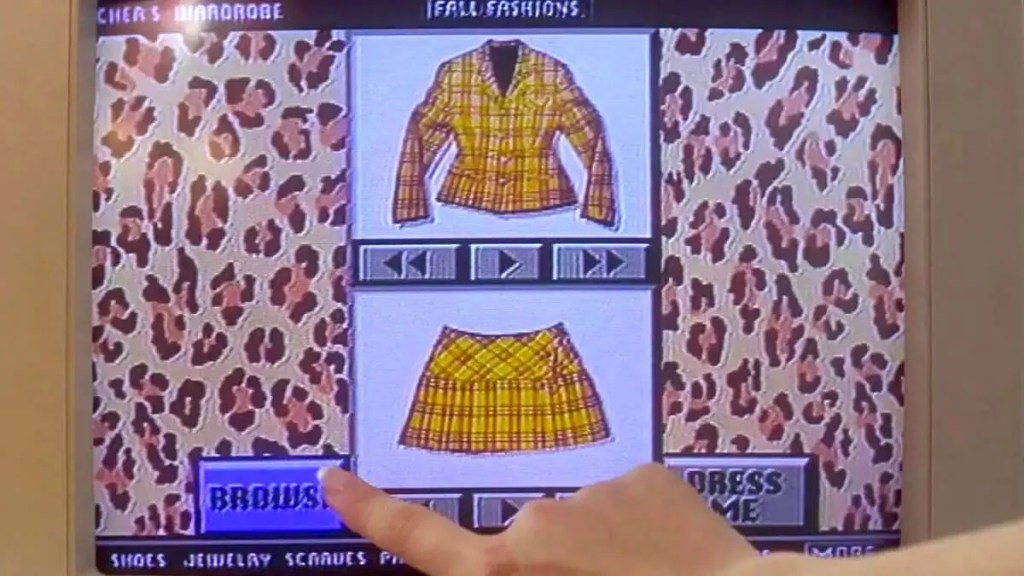
Artificial intelligence is transitioning from a generative novelty into a functional utility capable of reconfiguring how users interact with their physical belongings. In a major software pivot, Google Photos uses AI to make the iconic closet from ‘Clueless’ a reality by moving beyond simple storage toward an active, intelligent management system. By leveraging advanced computer vision, the platform intends to transform static image archives into a dynamic digital wardrobe.
Recreating Cher Horowitz's Virtual Wardrobe
The concept draws direct inspiration from the 1995 cinematic classic Clueless, specifically the high-tech virtual wardrobe used by Cher Horowitz to curate her outfits. While that vision was a product of mid-90s science fiction, Google is betting that modern machine learning can bridge the gap between fiction and reality.
The feature aims to automate the tedious process of cataloging clothing using existing photos. By identifying, categorizing, and manipulating fashion items without manual input, the app turns your photo library into a searchable, interactive inventory.
Key Features of the Google Photos AI Closet
The core of this update lies in the ability of Google’s AI to recognize specific objects within a photo stream and extract them as discrete data points. Rather than simply seeing an image of a person at dinner, the software will identify jewelry, tops, bottoms, and accessories present in the shot. Once identified, these items are stripped from their original context and added to an organized collection.
This automated cataloging allows for several high-level utility features:
- Categorized Filtering: Users can sort through digital inventory by garment types, such as outerwear, footwear, or accessories.
- Outfit Composition: An interface that allows for "mixing and matching" different items to visualize new combinations.
- Virtual Try-On: A sophisticated layer providing a way to preview looks through an augmented reality lens.
- Digital Moodboards: The ability to curate outfits into folders for travel itineraries, weddings, or professional rotations.
- Social Integration: Created ensembles can be shared directly with contacts for collaborative fashion curation.
Technical Challenges and Image Quality
The efficacy of this feature remains tethered to the quality of the user's existing media. The AI’s ability to accurately parse fabric textures and shapes depends heavily on image clarity and lighting. This suggests that a more disciplined approach to photography may be required from users to maintain an accurate digital twin of their wardrobe.
Competition and Deployment Strategy
Google is not entering this space as the sole actor; several established players have already carved out niches in the digital organization market. Apps such as Acloset, Combiene, and Pureple have long catered to fashion enthusiasts through manual or semi-automated management. However, Google’s advantage lies in its massive existing user base and the convenience of integrating this into a daily tool.
The rollout strategy suggests a phased approach to testing the stability of these heavy computational tasks. The feature is expected to debut on Android later this summer, with an iOS release following shortly after. On mobile devices, the functionality will be housed under the "Collections" tab, marking a fundamental shift from chronological timelines toward thematic, object-based groupings.
The technical challenge for Google will be managing the processing power required to perform such deep analysis across billions of photos without compromising privacy or battery life. While the specific architecture has not been disclosed, the move signals a broader industry trend: the transformation of cloud storage into intelligent agents.
The Verdict
The arrival of this digital closet represents more than just a nostalgic nod to 90s pop culture; it is a calculated attempt to increase user "stickiness." If successful, this feature will turn every smartphone photo into a functional piece of data. While the need for high-quality, well-lit photos remains a hurdle, the potential for an automated, personalized fashion assistant is a significant leap forward in the evolution of personal computing.