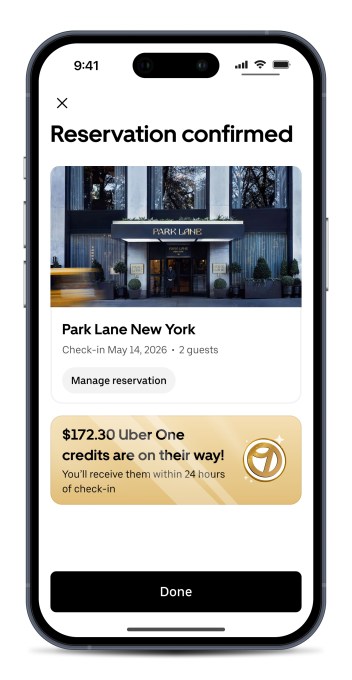
A thumb scrolls past a nearby driver icon to land on a listing for a boutique hotel in downtown Manhattan. This interface, once reserved strictly for navigating city streets or ordering dinner, has expanded into a comprehensive travel itinerary. It is becoming increasingly clear that Uber is in the hotel business now, thanks in part to AI and aggressive strategic partnerships.
This recent pivot marks a significant departure from Uber's origins as a mere ride-hailing utility. The company is signaling an aggressive move into the broader hospitality and travel sector to capture more of the consumer journey.
Expanding the Uber Ecosystem through Expedia
Through a strategic partnership with Expedia Group, Uber customers in the United:: States can now book stays at over 700,000 hotels worldwide directly within the app. This expansion is not limited to traditional lodging, as plans are already in motion to integrate vacation rental inventory from Vrbo later this year.
The move aims to solidify the company's position as a central hub for consumer movement and accommodation. By moving far beyond its original scope of transportation, Uber is attempting to capture a larger share of the user's total travel spend.
Incentivizing Loyalty with Uber One
The strategy appears heavily focused on driving long-term loyalty through the Uber One subscription service. By bundling travel benefits with existing ride and delivery perks, the company provides specific financial incentives for members:
- 20% discounts on a rotating list of 10,000 hotels when booked via the app.
- 10% back in Uber Credits on all hotel bookings.
- Access to "Eats for the Way," allowing Uber Black riders to pre-order snacks or drinks to arrive with their vehicle.
How Agentic AI Accelerated Uber's Hotel Expansion
Behind this rapid deployment lies a fundamental shift in software engineering workflows. Uber’s Chief Technology Officer, Praveen Neppalli Naga, revealed that agentic AI tools—specifically mentioning the use of Cursor—allowed these new features to move from concept to production in mere months.
Traditionally, a rollout of this complexity would have required at least a year of development, building, and debugging. This compression of the software development life cycle (SDLC) suggests that the bottleneck for modern tech giants is no longer a lack of innovation, but rather the speed of execution.
As engineers adopt these AI-driven workflows, Uber expects to iterate even faster. This technological edge allows the company to react to market trends in real-time, transforming the app into an "app for everything," as described by CEO Dara Khosrowshahi.
The Rise of the Digital Concierge
The integration extends into information delivery with the launch of a new travel mode. This feature provides users with curated guides covering tourist hotspots and local favorites, effectively acting as a digital concierge.
Even the Uber Eats product is being repurposed for travelers via a new "room service" hub. This hub lists commonly forgotten travel essentials and will eventually integrate table reservations through OpenTable.
The roadmap suggests a trajectory toward the "super app" model seen in many Asian markets. By layering hotel bookings, vacation rentals, and localized guides on top of existing infrastructure, Uber is creating a walled garden of travel services. If they can continue to leverage agentic AI, they will move beyond ride-hailing to manage how we move, eat, and sleep.