A single voice command can now transform a static family photograph into a surrealist masterpiece projected across an entire living room wall. This evolution from passive viewing to active, generative creation marks the latest chapter in Google's attempt to redefine the television. As more Gemini features are coming to Google TV, the platform is shifting its focus from being a mere conduit for streaming content to becoming an interactive, AI-driven creative hub.
Generative Creativity: Why More Gemini Features Are Coming to Google TV
At the heart of this update is a new "Create" button located within the dedicated Gemini tab, designed to bring high-level generative AI tools directly to the big screen. Google is leveraging two distinct models—Nano Banana and Veont—to allow users to manipulate media using nothing more than natural language.
Nano Banana functions as an image-generation and editing engine, capable of processing voice prompts to alter existing photos. Users can instruct the system to swap clothing on a subject, replace a mundane background with a tropical landscape, or generate entirely new visual scenes from scratch.
The integration of Veo extends this capability into the realm of motion. While Nano Banana focuses on the static, Veo allows for the creation of video clips or the animation of still images through descriptive prompts. The potential for "living room" entertainment is significant; a user can prompt the AI to animate a historical photo of a relative to perform a contemporary dance move.
Currently, these features are rolling out specifically to Gemini-enabled TCL TVs in the United States, with broader hardware support expected to follow as the ecosystem expands. It is clear that more Gemini features are coming to Google TV to deepen this immersive experience.
Intelligent Media Management and Curation
Beyond generative creation, Google is significantly upgrading how users interact with their existing libraries through enhanced Google Photos integration. The update introduces Gemini-powered semantic search, which moves beyond simple metadata like dates or locations.
Users can now perform complex queries to find specific moments—such as "the time we went to the beach in Maine"—without manually scrolling through years of digital archives. This intelligent retrieval is paired with a browsable interface that allows for seamless transitions between full-screen viewing and automated slideshows.
The update also introduces several stylistic and structural enhancements to the photo experience:
- Remix Feature: An AI-driven tool that applies artistic filters, such as watercolor or oil painting, to existing photographs.
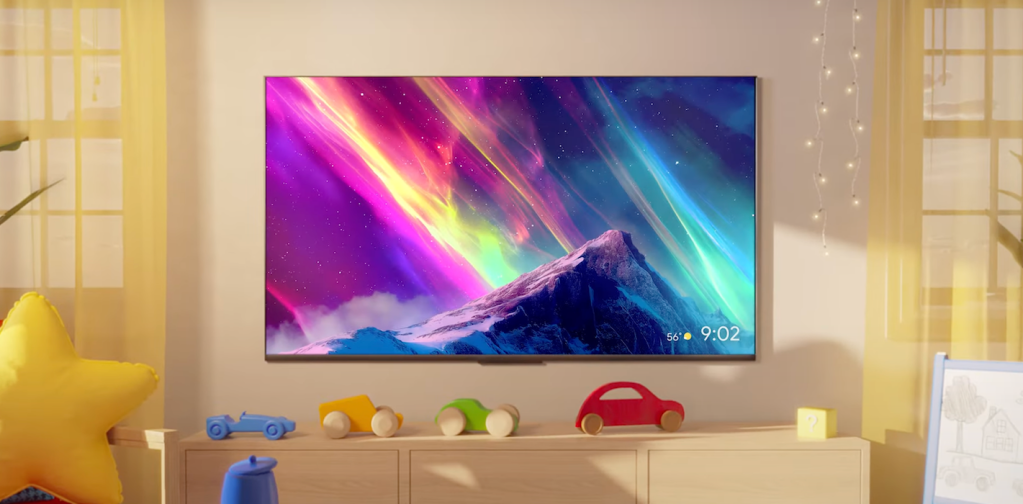
- Dynamic Slideshows: A new way to utilize screensavers by implementing animated layouts, custom frames, and specialized color treatments.
- Automated Collections: The ability to turn any curated Google Photos album into a vivid, TV-ready presentation that functions as part of the device's ambient mode.
These enhancements ensure that even when no active streaming is taking place, more Gemini features are coming to Google TV to keep the screen engaging.
The Convergence of Short-Form Video and AI
As the boundaries between mobile and television consumption continue to blur, Google is also leaning into the ubiquity of vertical video. A new "Short videos for you" row will soon appear on the Google TV home screen, initially populated with content from YouTube Shorts.
This move mirrors the broader industry trend where platforms are attempting to capture the high-engagement, low-friction viewing habits established on mobile devices and port them to the living room. This strategic pivot acknowledges a growing tension in the industry regarding how short-form content is consumed.
While some users have sought ways to hide Shorts on mobile interfaces, Google appears committed to integrating this format into the larger TV ecosystem. The move follows similar expansion efforts from competitors; for instance, Instagram recently expanded its presence on Google TV devices in the U.S., signaling that the living room is becoming a primary battleground for short-form engagement.
The long-term implications of these updates suggest a fundamental shift in hardware utility. If Google successfully integrates generative AI with personalized media curation, the smart TV will no longer be judged solely by its app library, but by its ability to act as an intelligent, creative agent within the home.