Googlebook Redefines the Premium Laptop with Android and AI
Google has officially entered the premium laptop arena with Googlebook, a new platform announced at The Android Show that signals a calculated pivot in its hardware strategy. By merging the robust Android ecosystem with AI-first features, Google aims to redefine user expectations and establish itself as a serious contender against established players. This move positions Googlebook not as a replacement for Chromebooks, but as a distinct, high-end alternative that leverages the company’s dominance in mobile technology and artificial intelligence.
A New Operating System Philosophy
Googlebook departs significantly from the constraints that have historically defined Chromebooks. Instead of relying on a web-first model, this platform treats Android as a native desktop foundation. This architectural shift enables apps to access hardware directly and fosters deeper system integration, delivering desktop-grade functionality without sacrificing the agility users expect from mobile devices.
The result is a balanced experience that Chromebooks struggled to achieve due to their web-centric origins. Key innovations driving this new philosophy include:
- Magic Pointer: A contextual feature where cursor wiggling triggers suggestions, such as converting dates into calendar events or merging images seamlessly.
- Adaptive Apps: Native Android applications optimized for large screens, moving beyond simple scaling to reimagine entire workflows.
- Seamless Continuity: The ability to open phone apps directly on the laptop, with the Files app syncing mobile documents instantly.
Premium Design and User Experience
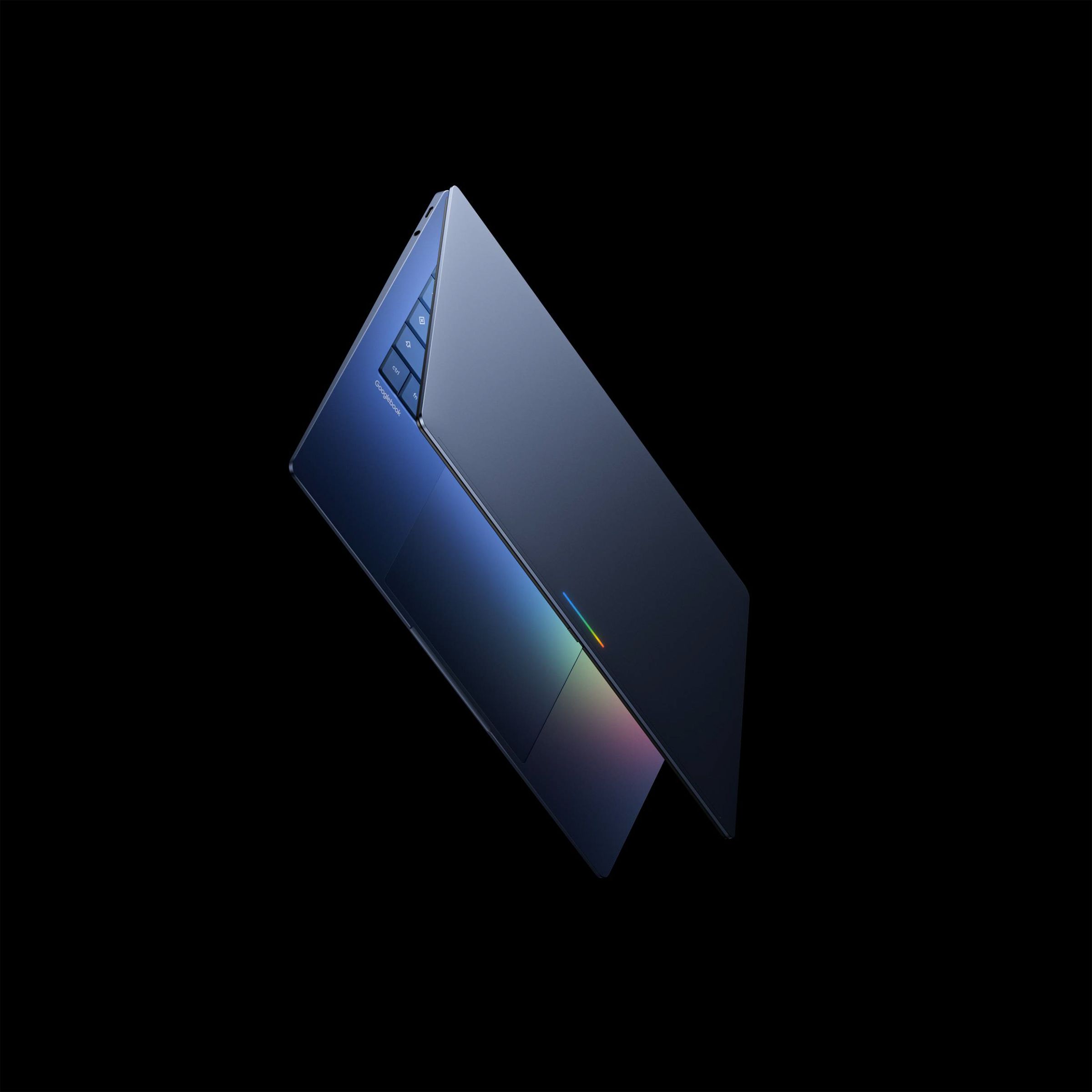
To reinforce its premium positioning, Googlebook introduces a distinct visual identity centered around a glowbar LED strip. This subtle nod to Chromebook heritage is reimagined for high-end aesthetics, doubling as a functional element for status indicators and playful Easter eggs. The hardware choices prioritize craftsmanship, signaling Google’s serious investment in the laptop market.
The platform offers flexibility and sophistication through several key design elements:
- Hardware Flexibility: Support for both ARM and x86 architectures allows diverse manufacturers to create varied designs while maintaining core compatibility.
- Sleek Form Factor: Featherlight builds paired with durable materials ensure the device feels premium without being cumbersome.
- Unified Ecosystem: While designed for the broader Android user base, the platform focuses heavily on cross-device syncing with phones, though Pixel integration remains a specific point of interest.
Strategic Context and Market Impact
Google’s approach avoids direct competition with Chromebooks, instead carving out a lucrative niche in the premium segment. By embedding AI into core features like Magic Pointer and widgets, Googlebook appeals to power users who seek efficiency without sacrificing familiarity. This strategy mirrors how Android revolutionized mobile by extending its reach beyond phones while maintaining ecosystem cohesion.
While Chromebooks continue to hold relevance in education and enterprise sectors, Googlebook targets premium consumers through innovation in both software and hardware. The platform’s success will hinge on execution: ensuring AI features feel intuitive, app ecosystems thrive, and designs justify the premium price point.
The coming months will test this vision as Google rolls out updates tied to Android 17 and Gemini Intelligence. If early demos deliver on their promises, the stage is set for a quiet but significant shift in how laptops blend mobile ingenuity with desktop capability, establishing Googlebook as a formidable new player in the tech landscape.