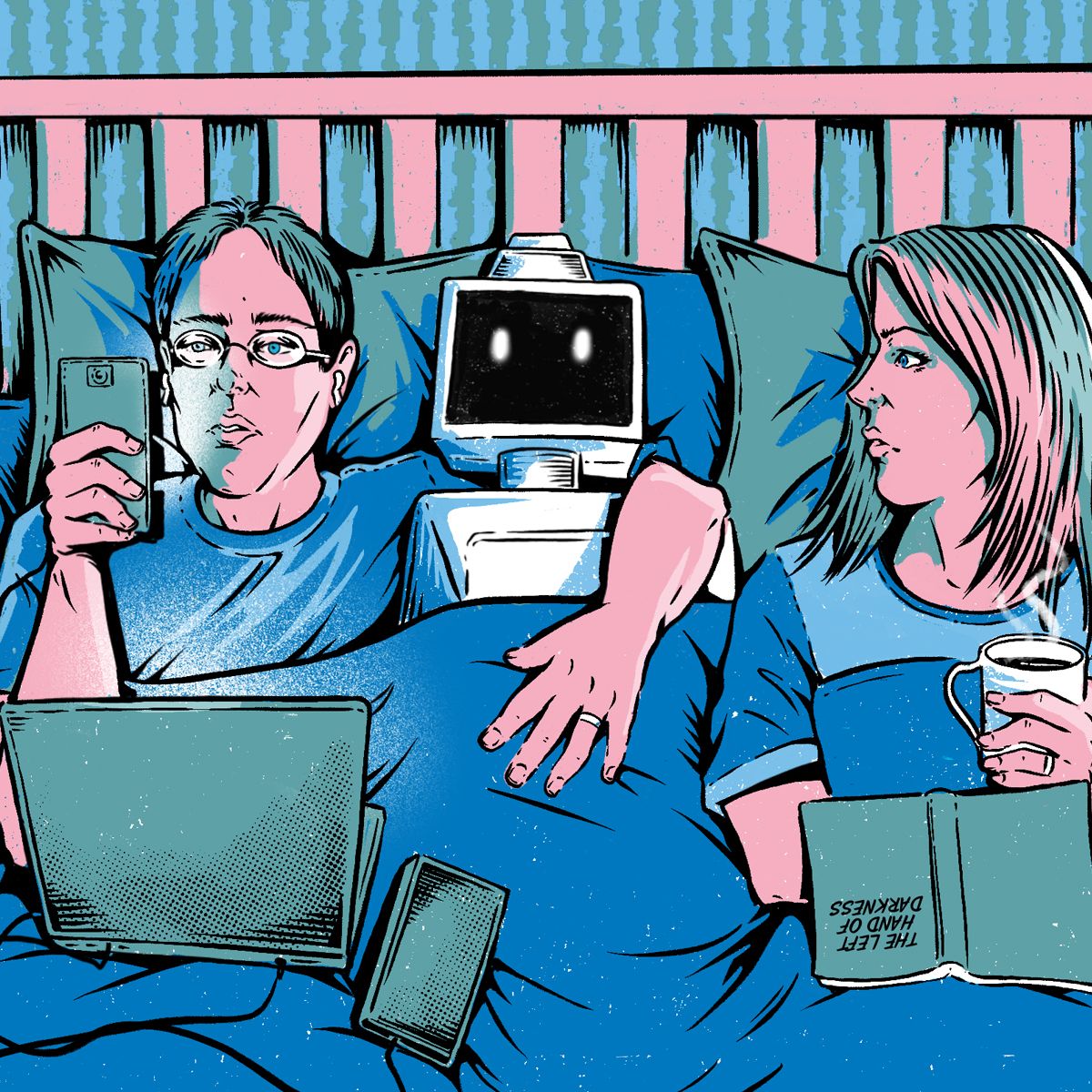
The Unseen Toll of the AI Boom on Family Life
The tech sector’s current frenzy around artificial intelligence has produced headlines about disruption, innovation, and economic transformation. Yet beneath the surface, a quieter crisis is reshaping households: the experience of the sad wives of AI. This group’s experiences reveal deep cracks in work-life balance, gender dynamics, and emotional resilience that are often overlooked in the rush to digitize the future.
How the AI Hustle Reshapes Relationships
For many partners, especially men in AI-adjacent roles, work has shifted from a job to a defining life force. The concept of the “ideal worker”—economists’ term for those who prioritize long hours and constant availability—often comes at the direct expense of family life. As AI dominates career conversations, a significant imbalance emerges.
Partners who do not engage with the technology, often women, frequently shoulder increased domestic responsibilities. This dynamic can strain marriages and erode shared decision-making. The situation is compounded by persistent occupational segregation; women remain underrepresented in high-growth AI fields, comprising only about 35% of AI-skilled workers. Even when present, they are less likely to pursue or benefit from roles tied to AI development, reinforcing existing inequities within the home and the workplace.
The Human Cost: Beyond the Headlines
The mainstream narrative rarely includes those left behind by rapid technological change. A 2024 study cited by labor scholars highlights a growing “mental load” among spouses of AI professionals. These individuals manage household logistics while grappling with feelings of irrelevance or isolation.
One participant described her husband’s obsession as “a third person in the marriage,” a sentiment echoed across therapist interviews. This phenomenon is characterized by several key patterns:
- Burnout Cycles: Men often face intense pressure to succeed; when outcomes falter, their partners absorb the emotional burden.
- Unpaid Roles: Women report taking on roles like emotional support and childcare coordination, even as AI projects demand relentless attention.
- Community Echoes: Online communities and memes increasingly surface this tension. A viral TikTok caption—“Working so hard so my man can work on his AI startup that loses $30K a month”—captures both the frustration and resignation among those feeling sidelined.
Looking Forward: Reclaiming Balance in an AI-Driven World
Addressing the “sad wives of AI” phenomenon requires systemic shifts in how we view work, success, and partnership.
- Redefine Success: Organizations should value outcomes over face time, encouraging flexibility that supports caregivers.
- Promote Equitable Participation: Broadening access to AI education and leadership roles can reduce occupational divides and foster shared prosperity.
- Normalize Boundaries: Couples must negotiate time away from screens and data, prioritizing connection over constant innovation.
The rise of AI is inevitable, but its human impact need not be catastrophic. By centering empathy, equity, and realistic expectations, families can navigate this era without sacrificing wellbeing or love.