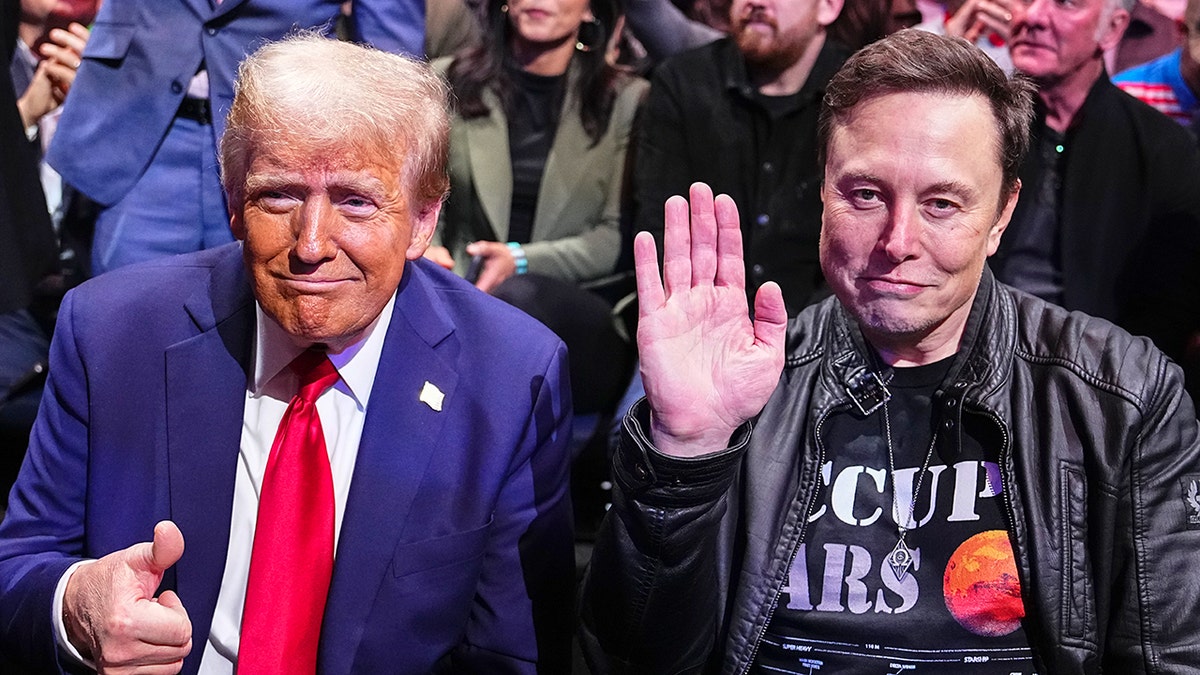
The global stage is currently dominated by high-stakes negotiations in Beijing, where Donald Trump’s visit to China has become the central topic of geopolitical discourse. As the former president engages with Chinese leadership, the economic and foreign policy implications are heavier than ever before. This trip isn't just a diplomatic formality; it is a critical moment that could reshape international relations, trade dynamics, and the broader landscape of global power.
The Geopolitical Weight of Trump’s Beijing Visit
Trump’s presence in China arrives at a pivotal juncture for world leaders. The stakes involved in these conversations are unprecedented, touching on everything from tariff structures to strategic alliances. Analysts are closely watching how this visit influences the dialogue between Washington and Beijing, particularly as both nations grapple with economic pressures and shifting political landscapes.
The outcome of these discussions could have ripple effects across the globe, influencing everything from supply chain stability to military posturing. With the economic stakes at such a high level, every word spoken and every agreement reached is being dissected by policymakers and markets alike. The visit serves as a microcosm for the larger struggle for influence in the 21st century, highlighting the delicate balance between competition and cooperation.
Tech Titans and the Musk-Altman Rivalry
While geopolitical tensions simmer, the tech world is witnessing its own dramatic clash. The ongoing rivalry between Elon Musk and Sam Altman has captured public attention, with both figures leveraging their platforms to influence the narrative around artificial intelligence and social media governance. This feud is not just personal; it reflects broader industry debates about the future of technology and its role in society.
Key aspects of this rivalry include:
- Platform Control: Both Musk and Altman are vying for influence over how AI tools are developed and deployed, with significant implications for content moderation and data privacy.
- Public Discourse: Their public exchanges have sparked intense debate among tech enthusiasts and policymakers, highlighting the growing power of tech CEOs to shape public opinion.
- Investor Sentiment: The rivalry has impacted stock markets and investor confidence, as stakeholders weigh the potential winners and losers in the AI race.
As the Musk v. Altman saga unfolds, it remains to be seen who will ultimately win this battle for the soul of the tech industry. The outcome could redefine the landscape of innovation and regulation for years to come.
The Rise of Hantavirus Conspiracy Theories
In a surprising twist, the digital sphere is also being consumed by Hantavirus conspiracy theories. Despite being a well-understood medical condition, misinformation about the virus has spread rapidly online, fueled by sensationalist claims and lack of scientific literacy. This phenomenon highlights the broader challenge of combating misinformation in an era where facts are often secondary to viral narratives.
The persistence of these theories underscores the need for better public education and media literacy. As conspiracy theories continue to gain traction, they pose a significant threat to public health efforts and social cohesion. Addressing this issue requires a coordinated effort from scientists, journalists, and tech platforms to ensure that accurate information reaches the public.