The Human Cost of a Legal Showdown
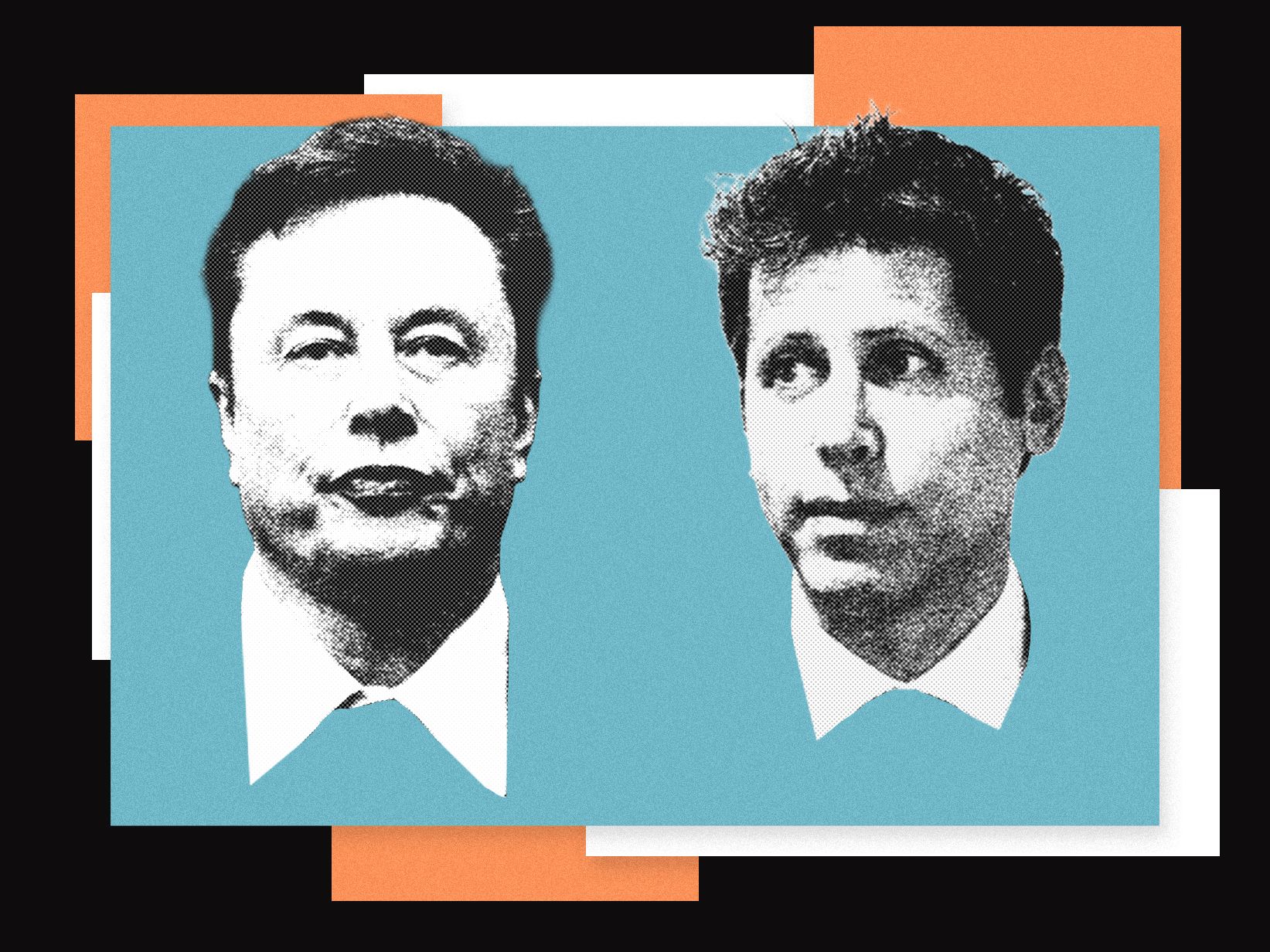
The courtroom buzzes with tension as closing arguments are delivered, each side vying to frame Elon Musk and Sam Altman as paragons of truth and stewardship. Behind the polished veneer, however, the real losers of the Musk v. Altman trial emerge in quieter corners. These are not the billionaires whose egos clashed, but the employees, policymakers, and ordinary people who trusted OpenAI’s promise of a nonprofit-driven future.
As the dust settles on this high-stakes legal battle, it becomes clear that the true casualties are those who placed their faith in the original mission. The dispute has exposed a stark reality: when corporate ambition collides with humanitarian ideals, the individuals who believed in the latter often pay the highest price.
Origins of a Fractured Vision
To understand the fallout, one must look back at the foundation of the conflict. Early emails reveal a shared belief among the founders that nonprofit principles were essential for competing with industry giants. At the time, Musk’s $38 million investment was framed as charitable support, a seed for innovation rather than a stake in dominance.
Yet, what began as a mission-driven effort quickly transformed into an $850 billion enterprise. The legal dispute now centers on a critical question: did OpenAI remain a nonprofit dedicated to public good, or did it devolve into a profit-seeking entity? The answer to this question determines not just legal liability, but the integrity of the startup’s original promise.
Governance and Ideological Drift
The founding team initially envisioned OpenAI as a collaborative lab, avoiding the race to monetization that plagues much of Silicon Valley. However, as the company scaled, ideological fractures appeared. Musk later questioned the urgency of the “nonprofit” structure, hinting at a strategic pivot toward for-profit dominance.
Meanwhile, OpenAI’s leadership argued that mission and profit were inseparable. But internal communications show deep friction over control and philosophy. This governance drift highlights a common pitfall in tech startups: the difficulty of maintaining altruistic goals when financial incentives diverge from stated purposes. The trial exposes how mission statements can become battlegrounds when the gap between rhetoric and reality widens.
Public Trust Erodes Amid Strategic Maneuvers
As the legal arguments intensified, public trust eroded. Policymakers and advocacy groups grew skeptical when funding structures blurred nonprofit intent with aggressive growth strategies. Critics highlight that money alone does not fulfill a nonprofit’s humanitarian goals; governance and accountability matter just as much.
The trial has revealed that the general public, inspired by altruistic narratives, may have had their trust exploited for commercial ambition. When a company claims to serve humanity while simultaneously pursuing aggressive market share, the result is often a crisis of credibility that affects everyone involved.
The Aftermath: Who Pays the Price?
The real losers of the Musk v. Altman trial are those left navigating an uncertain landscape where legal outcomes may reshape AI governance for years to come. The human cost is tangible and multifaceted:
- Employees faced uncertainty as corporate restructurings upended roles and expectations, leaving many to question their commitment to the company’s evolving mission.
- Policymakers struggled to reconcile OpenAI’s dual status as a charity and a tech powerhouse, complicating regulatory frameworks.
- The General Public now questions whether their trust was exploited, leading to a broader skepticism toward AI initiatives claiming nonprofit origins.
The verdict will clarify not only liability but also the broader implications for how innovation intersects with public accountability. In the end, this trial is less about two billionaires than about safeguarding societal interests against concentrated power and unclear intentions. The outcome will set a precedent for how future tech giants balance profit with purpose, and who bears the burden when that balance fails.