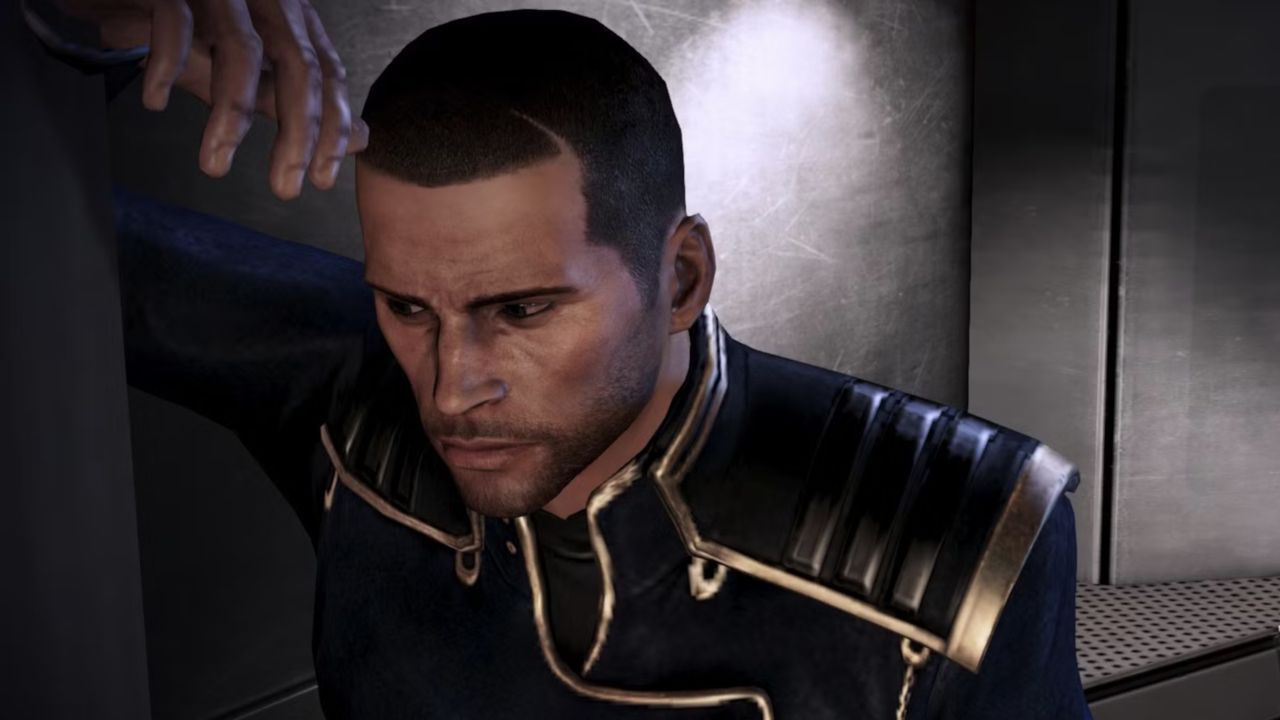
The First Step to Redemption: Why Canceling Mass Effect Is Necessary
The path for BioWare to make an unlikely comeback begins with a controversial pivot: canceling plans for another Mass Effect game. After resigning myself at the end of 2024 that the studio was no longer capable or willing to create the RPGs that once cemented its status as a titan, I lost faith following The Veilguard, Anthem, and Andromeda. However, a year-and-change later, my fire has dimmed into disappointment rather than dismay. While I have since embraced titles like Baldur's Gate 3, Esoteric Ebb, and the potential of Crimson Desert, the distance from BioWare’s latest failures now allows for speculation on their future. The critical question remains: can BioWare make a comeback, and what would that even look like?
Hard Truths About The Veilguard and Studio Decline
First, we must address the hard truths for those who bounced off The Veilguard. A lot of people liked BioWare's last RPG; reviews were broadly positive, including our own, and it was initially celebrated by EA for becoming its biggest Steam launch. It even managed to net a few awards along the way, creating a narrative that some believe the studio has not lost its touch. Yet, despite this praise, The Veilguard remains a dud in the long run. A year and a half after launch, its user review ranking on Steam is sitting at Mixed, and sales of 1.5 million copies were only half of what EA expected.
The contrast with historical successes is stark:
- Dragon Age: Inquisition reached similar milestones in a single week a decade prior.
- Origins, Dragon Age 2, Inquisition, and the original Mass Effect trilogy all received significant post-launch support.
- Like Andromeda, The Veilguard was quickly cast aside with no expansions and only one surprise DLC offering weapon skins.
What followed this launch was unfortunately redundancies and "downsizing." With its last two RPGs underperforming and the failure of the Anthem experiment, BioWare is now in a position where a course correction is not just needed but essential for survival.
The Death of the Old BioWare and the EA Factor
BioWare is dead; long live BioWare, provided it can reinvent itself entirely. Both longtime fans and the studio must accept that the old BioWare is gone. Years of redundancies and staff shuffles have gutted the company, meaning you cannot simply replace everyone or shed this much institutional knowledge while expecting success by sticking to the same playbook. We will never get another Baldur's Gate, a KOTOR, or an Origins from this specific iteration of the company ever again. However, with the resources currently available, we could potentially see something entirely new emerge.
The secret sauce that originally made BioWare a juggernaut was its ability to read the room and adapt:
- In the '90s and early 2000s, it brought tabletop RPGs to PC gamers.
- It then leveraged console dominance to create streamlined RPGs focused on best-in-class storytelling.
- By 2007, it was experimenting with cinematic storytelling and shooter mechanics.
This adaptability allowed the studio to weather industry changes without relying solely on legacy titles. If modern BioWare had existed in the '90s, it likely would have stuck with Infinity Engine games forever, which would have been fine but potentially fatal if those isometric RPGs went out of style as they did. The studio's success was built on leading trends rather than following them, a trait that has been stifled since EA acquired the developer.
Breaking Free from Corporate Interference
The biggest hurdle to BioWare's survival remains its overlord: Electronic Arts. It would be naive to suggest the studio bears no responsibility for its missteps, but it found itself in an impossible situation where executives pressured developers and overtly interfered with creative decisions. This environment led to endless sequels, a rushed Dragon Age 2, and an unhinged pivot toward multiplayer live-service games like Anthem.
The volatility of this corporate pressure is most evident in the trajectory of The Veilguard itself:
- It started as a single-player RPG.
- It was switched to a live-service model.
- It eventually reverted back to a single-player experience.
This chaotic lifecycle under EA created an overreliance on big brands like Mass Effect and Dragon Age. When BioWare finally attempted to step out of its comfort zone after years of resting on its laurels, the results were disastrous. The studio is responsible for Anthem, but the environment in which it was created was a direct product of corporate interference. To make a comeback, BioWare must prioritize innovation over legacy, even if that means canceling the next big franchise installment to allow its creative spirit to breathe again.