The Health Crisis Behind Exodus: Why James Ohlen Walked Away
"I nearly killed me."
These are the words of James Ohlen, the veteran game director whose career spans some of the most influential role-playing games in history. Now sitting on his porch in Austin, Texas, smoking a cigar he picked up as a badge of his time in the industry, Ohlen reflects on his recent, abrupt departure from Archetype Entertainment.
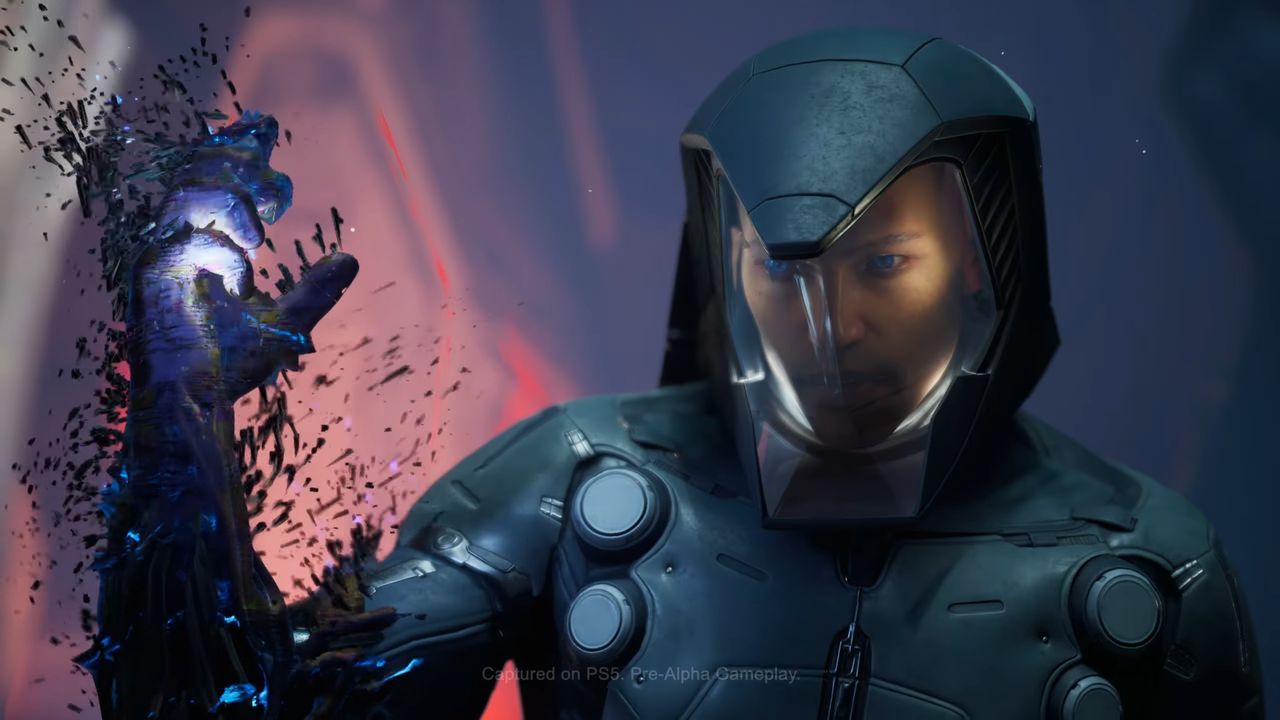
Ohlen, best known for his work on Baldur’s Gate 2 and Knights of the Old Republic, co-founded Archetype in 2019 with the ambitious goal of creating Exodus, a sci-fi RPG. However, just as the studio began to gain traction, Ohlen stepped down, citing severe burnout. He describes the experience of balancing the dual roles of studio head and creative lead as unsustainable, noting that he was "running on fumes" while his health and personal life suffered.
"I always told everybody I should never be the head of a studio because it'll kill me," Ohlen admits with a laugh, though the memory is clearly serious. "It was six years of nearly killing me."
The Weight of Leadership and the Death of Vision
For a creative mind like Ohlen’s, the transition from hands-on developer to executive was jarring. While he loved the craft of game design, the administrative burden of running a studio proved toxic to his well-being.
"As a creative you care about everything so much, and then as the head of the studio, you have to be cutting the baby in half all of the time, and having people attack your vision constantly," he explains. "I definitely wouldn't put myself in that situation again; that's not a healthy place to be."
This wasn't Ohlen's first career break. He left BioWare in 2018, only to realize he hadn't given himself enough time to recover. He felt like a "highly paid, completely useless person" during the final stages of Star Wars: The Old Republic (SWTOR). Now, with Exodus behind him, he is slowly rebuilding, focusing on what he calls his "book empire," and remains cautious about returning to game development until he is truly ready.
The 'Beginning of the End' at BioWare
While Exodus marked the end of his current chapter, Ohlen identifies a specific moment during his tenure at BioWare as the true "beginning of the end" for his passion. That moment arrived when Electronic Arts (EA) board members crushed his plan to reboot SWTOR as Star Wars: The New Republic.
"Ohlen joined BioWare in 1996, shortly after its founding, and quickly became the lead designer on Baldur’s Gate 1 and 2. During those early days, crunch was not mandatory, but Ohlen pushed himself to the limit to match the intensity of his team.
"I lived in this apartment complex for more than a year, and I can't even remember my room or anything, because I would just go there, sleep, and then wake up and go straight [to work]."
Despite the grueling hours, Ohlen was in his element. In a smaller team, he retained the ability to make big decisions and even write and script code directly. "That's the last time I was truly in love with my job," he says. He admits to coming out of that period "looking like a cave troll," but he considers it a successful and fulfilling time in his career.
From Hands-On Creator to Executive Manager
As BioWare grew, Ohlen’s role shifted. He oversaw massive teams for Neverwinter Nights, Knights of the Old Republic, and Dragon Age: Origins. He notes that while he was more "divorced from the hands-on stuff" in these later titles, he still found satisfaction in the scale of the projects.
However, the shift to Star Wars: The Old Republic was a turning point. Halfway through Dragon Age: Origins, founders Ray Muzyka and Greg Zeschuk asked Ohlen to oversee a new MMO studio in Austin. Ohlen’s initial reaction was blunt: "I hate massive multiplayer games. But all right, I'll do it."
He accepted the challenge, partly out of loyalty to his founders, and stayed for a decade. His role changed from creative director to manager of hundreds of people, tasked with mediating conflicts between "big ego designers" and keeping a "never-ending" project on track. The game eventually became the most expensive video game ever made, costing hundreds of millions of dollars.
Ohlen has previously expressed regret over the final direction of SWTOR. He had envisioned an online version of Knights of the Old Republic, but the team instead built a World of Warcraft clone in space. The result was a sprawling, diluted experience with over 200 hours of content, including eight origin stories. Ohlen believes a tighter, 60-hour game with fewer narratives would have been more distinctive and impactful.
"I'm just not someone who can manage hundreds and hundreds of people to go in a different direction," he says. "Everyone wants to build WoW in space, and it's my job to say no... and I wasn't able to do that."
The Reboot That Never Was
The defining moment of Ohlen’s disillusionment came around 2015. He brewed a plan for a complete reboot of SWTOR, tentatively titled Star Wars: The New Republic. He spent six months compiling a design document, creating PowerPoint presentations, and commissioning a mock-up trailer from Blur Studio.
"It was the chance to do Knights of the Old Republic online, it was a chance to [put right] everything I'd said that we'd messed up," Ohlen recalls.
He successfully pitched the concept to Lucasfilm president Kathleen Kennedy and met with Dave Filoni, director of The Clone Wars. Filoni suggested setting the game a few hundred years before the fall of the Republic to create ties with the animated series. Ohlen was thrilled, especially because he managed to convince EA executive Patrick Söderlund, who reportedly disliked SWTOR, to support the reboot.
"It was one of the greatest accomplishments of my career," Ohlen says.
However, the joy was short-lived. The EA board of directors, still haunted by the launch of the original SWTOR, rejected the reboot. This rejection, combined with the immense pressure of managing a massive studio, marked the end of Ohlen’s era at BioWare.
A Slow Recovery and a New Path
Today, Ohlen is "slowly recovering" from the burnout that plagued his time at Archetype. He remains upbeat, often laughing during our conversation as he recalls the difficult times, but he is clear about his future. He needs more time away from the industry before he is ready to make games again.
For now, he is focusing on his "book empire," a light-hearted term for his new ventures outside of game development. While he still holds a deep love for the craft, the experience of Exodus and SWTOR has left him wary of the costs of leadership.
"It nearly killed me," Ohlen repeats, a sobering reminder of the toll that creative leadership can take. "It was six years of nearly killing me."