The landscape of automotive safety is undergoing a massive transformation as manufacturers move beyond simple crashworthiness to embrace active prevention. The National Highway Traffic Safety Administration (NHTSA) recently announced a pivotal shift in vehicle assessments, establishing a formal benchmark for advanced driver assistance systems (ADAS).
This new regulatory framework moves away from traditional crash-test-centric ratings to evaluate how vehicles interact with their environments in real-time. This change reflects the growing complexity of modern cars and the need for standardized evaluations that mirror real-world driving conditions.
New NHTSA Safety Benchmarks Explained
The NHTSA's decision to introduce four additional pass-fail tests acknowledges that modern safety is defined by more than just structural integrity. These new criteria specifically target the effectiveness of electronic driver supports through several key assessments:
- Automatic emergency braking for pedestrian detection
- Blind-spot warning systems
- Blind-spot intervention mechanisms
- Lane assist functionality
By mandating these specific tests, the agency is raising the bar for technological maturity across the industry. These metrics ensure that a vehicle's ability to avoid a collision is measured with the same rigor as its ability to protect occupants during an impact.
Tesla Model Y Leads the New Safety Standard
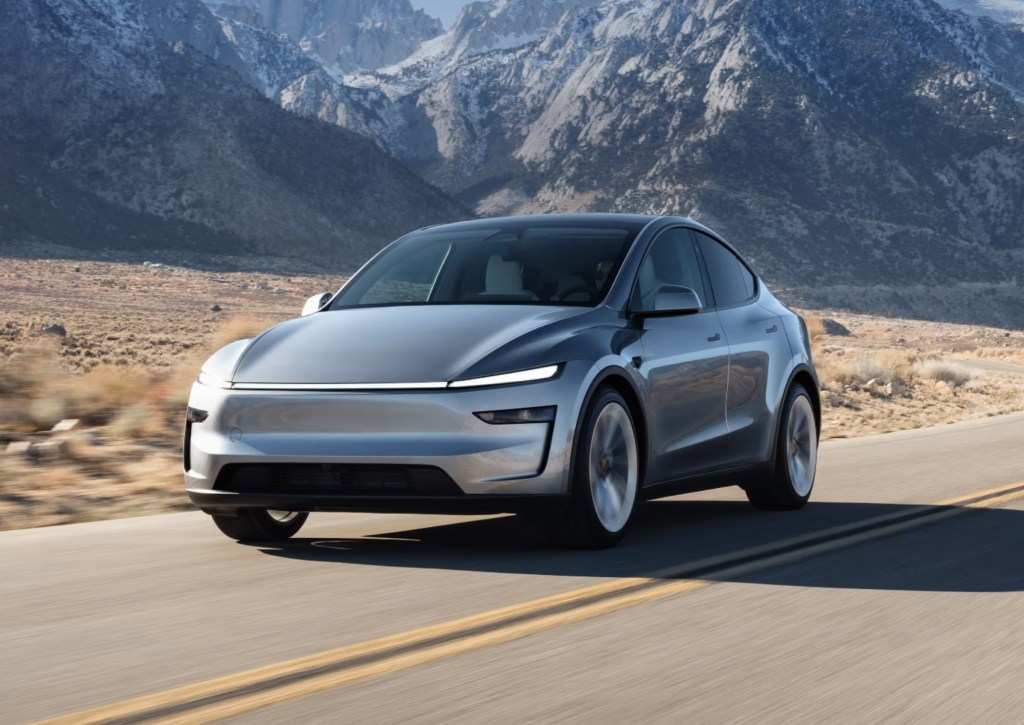
In a significant milestone for the electric vehicle industry, the Tesla Model Y has become the first car to meet these new US driver assistance safety benchmarks. This achievement highlights the effectiveness of Tesla's software-centric approach to automotive engineering.
The 2026 Tesla Model Y holds the singular distinction of being the inaugural vehicle to satisfy these requirements. Several factors contribute to this industry-leading position:
- Proactive Safety Design: The implementation of integrated sensor suites allows for comprehensive environmental perception.
- Regulatory Alignment: The Model Y proves that proprietary engineering can meet and exceed evolving federal expectations.
- Market Advantage: This validation positions Tesla favorably as competitors race to address similar ADAS challenges.
It is important to note that this specific eligibility applies exclusively to vehicles assembled on or after November 12, 2025, aligning the achievement with precise model-year production updates.
The Future of Automotive Safety Regulation
Historically, NHTSA evaluations focused primarily on crashworthiness—how well a car protects you once an accident has occurred. However, the new NHTSA New Car Assessment Program (NCAP) framework now integrates both traditional crash metrics and modern electronic supports, recognizing that preventing crashes is just as vital as mitigating consequences.
As automakers accelerate their development cycles, regulatory bodies face increasing pressure to ensure oversight keeps pace with innovation. The success of the Tesla Model Y serves as a catalyst for the rest of the industry, demonstrating achievable standards while prompting other manufacturers to elevate their safety engineering practices.
This regulatory shift compels manufacturers to treat driver assistance systems not as optional luxury amenities, but as foundational components of vehicle architecture. As the industry navigates this evolution, the focus will remain on balancing technological ambition with measurable, life-saving outcomes.