Why 18 Hours of Vertical Livestreaming Delivers Pure FOMO
Is there anything more intoxicating than the fear of missing out when you are simultaneously safe, dry, and fully clothed? After spending 18 hours watching Coachella’s vertical livestream, it becomes clear that the festival's new mobile-first experiment sells a paradoxical truth: the most accessible version of the event is often the one that feels least like the real thing. By committing to an 18-hour marathon of exclusively vertical footage, the distinction between being at Coachella and merely witnessing its digital echo blurs, revealing a platform designed less for immersion than for inducing a specific, curated type of longing. This endless loop of FOMO proves that while we can witness the desert from our decks, the true magic of the event remains stubbornly out of reach.
The Illusion of Proximity in Vertical Format
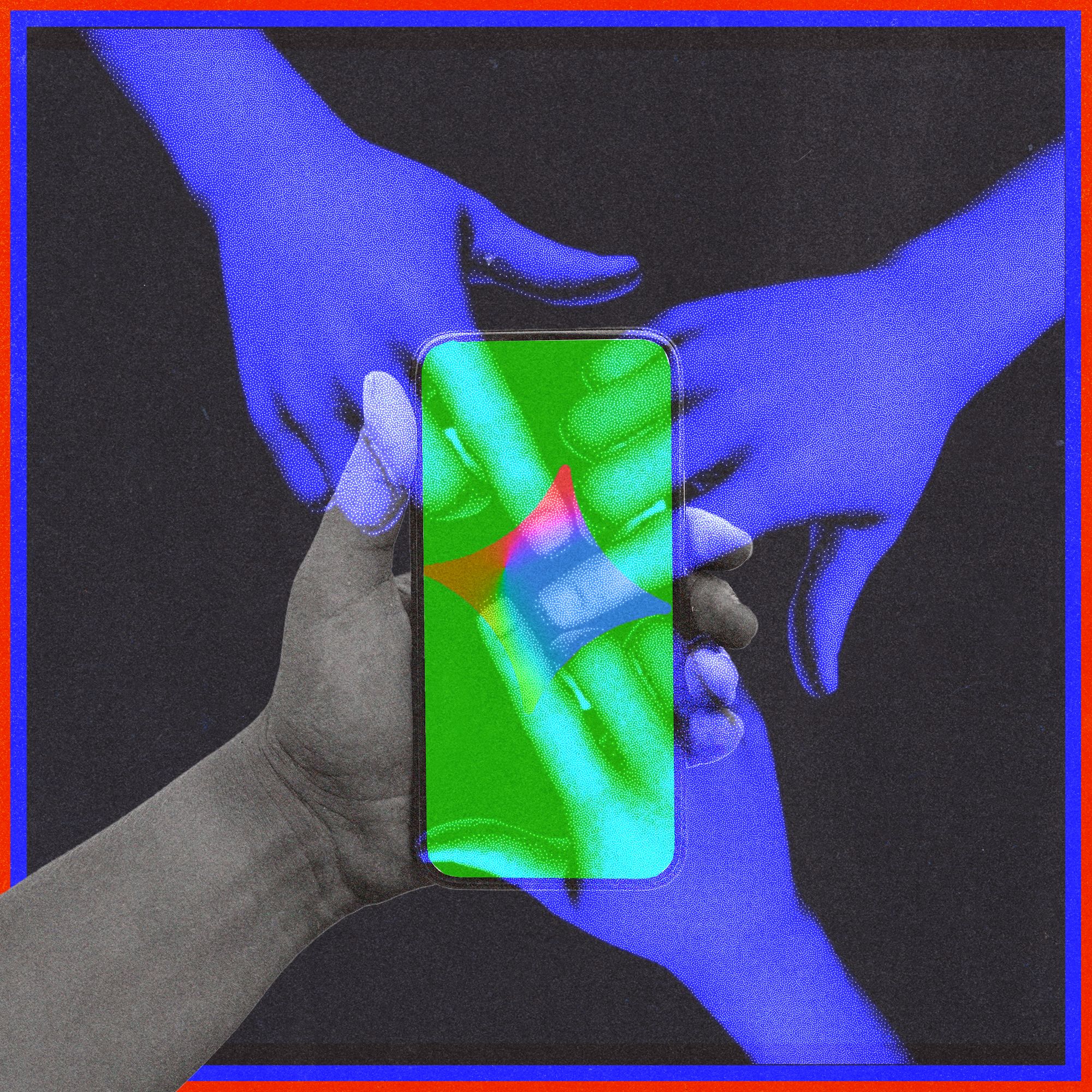
Coachella’s pivot to vertical video is not merely an aesthetic choice; it is a strategic maneuver that aligns perfectly with the festival's primary marketing engine: FOMO. The new YouTube feeds, which stream seven stages including the EDM-heavy Quasar stage via Google Pixel devices, prioritize intimacy over scope. Cameras are positioned inches from performers, creating a sense of being an exclusive VIP in the DJ booth rather than a distant spectator in a crowd of 125,000. This framing conjures a phantom proximity that tricks the brain into feeling like part of the inner circle, even while the viewer is sitting on their own deck in a thunderstorm.
However, this intimacy comes at a steep cost to the sensory experience:
- The Quasar stage features massive horizontal screens designed for wide-angle impact, which are reduced to awkward, squished rectangles when forced into a vertical frame, stripping the visuals of their intended gravitas.
- Viewers are denied the ability to switch between stages or utilize multi-view options, forcing a myopic focus that mirrors the disorientation of festival scheduling conflicts rather than the freedom of the real venue.
- The "close-up" perspective eliminates the communal energy of the crowd, replacing it with a sterile, isolated viewing experience where the only reaction available is a thumbs-up on a screen.
The result is a feed that feels simultaneously more personal and less substantial than its horizontal counterpart. While commenters have praised the vertical stream for making them feel closer to the action, the format inherently sanitizes the chaotic, dusty reality of the festival grounds. It offers a polished, brand-safe version of Coachella where the mud is filtered out and the crowd noise is replaced by algorithmic engagement metrics.
The Paradox of Comfort and Disconnection
The allure of "Vertichella" lies in its promise of participation without penalty. For those unable to afford the exorbitant ticket prices, the flight to Indio, or the grueling drive into the Colorado Desert, the vertical feed offers a seductive alternative that allows for domestic multitasking. One can watch Fatboy Slim while showering, eating dinner, or walking a dog, tasks that would be impossible if physically present on the dusty grounds. This convenience creates a unique form of engagement where the festival becomes background noise to daily life rather than the center of it.
Yet, this comfort breeds a strange sense of detachment that grows more pronounced with every hour of viewing. The ability to pause and resume the stream without missing a beat—or worse, getting stuck in traffic for eight hours—removes the stakes of live performance. In a real festival setting, the exhaustion is shared; the sweat, the dust, and the physical toll are collective badges of honor. When watching vertically from home, these elements are invisible, replaced by the soft glow of a smartphone screen and the sterile air-conditioned room. The viewer becomes an observer of a party they cannot join, triggering a specific brand of melancholy that is uniquely digital.
The limitation of the format also forces difficult choices that mirror real-world festival constraints, but without the visceral payoff:
- Missing headliners like Justin Bieber or Karol G because they are playing on stages not covered by the vertical feed creates a curated gap in the musical timeline.
- The inability to see the full scope of Nine Inch Noize's performance diminishes the cathartic impact of the noise rock, turning what should be an apocalyptic experience into a muted video clip.
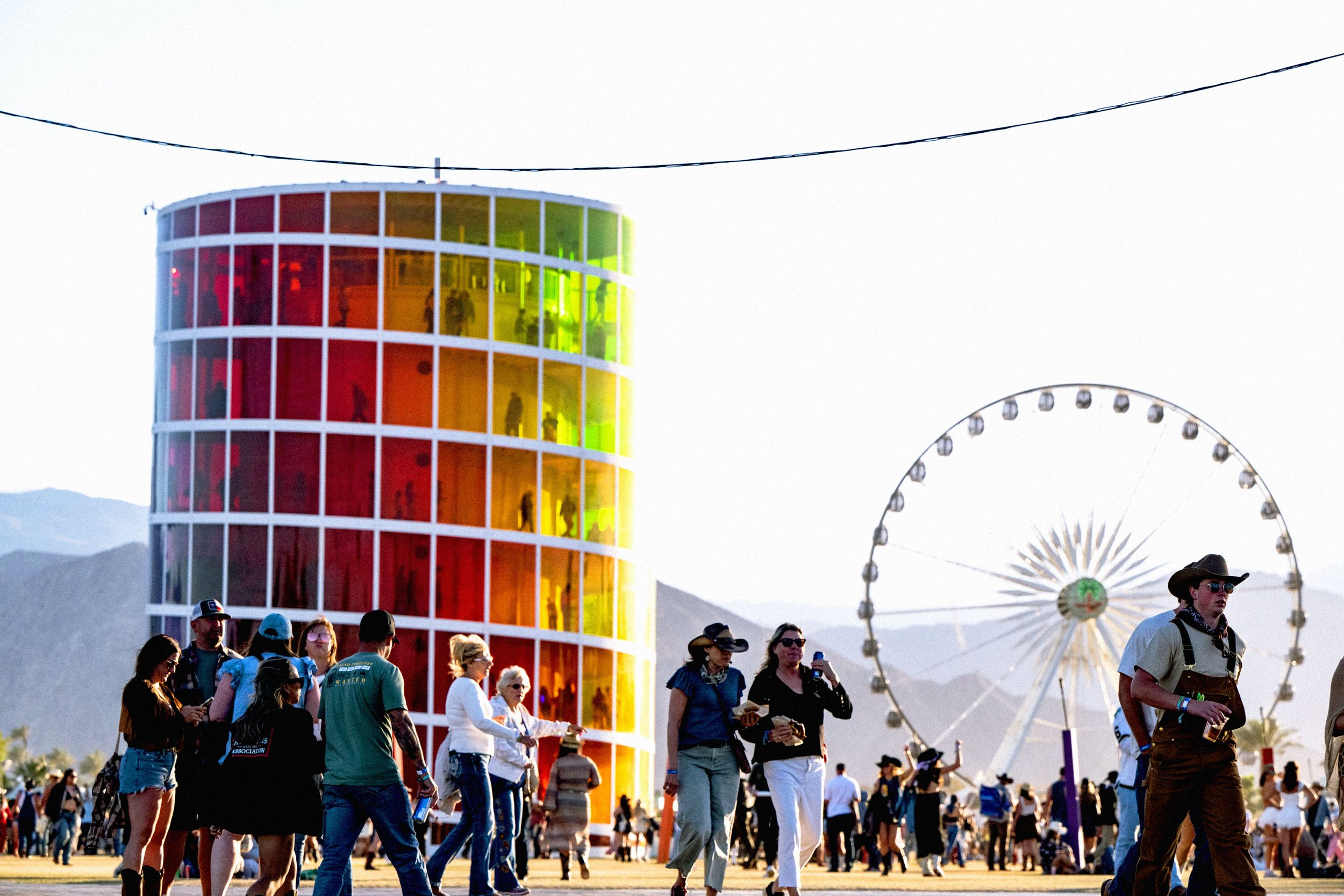
- The "no horizontal video" rule means that the visual grandeur of the Spectra art installation or the scale of the stage production is lost to the narrow confines of a mobile viewport.
The Digital Hangover and the Future of Festival Access
By Sunday, the initial thrill of the vertical feed has curdled into a digital hangover. Watching the Fatboy Slim set while walking the dog, only to fumble with UI glitches and accidental swipes that break the immersion, underscores the fragility of this new format. The algorithmic nature of the platform means that the experience is often dictated by interface errors rather than the flow of music. When a viewer accidentally switches videos or loses connection, the spell is broken, reminding them that they are not at a festival but at home, dealing with the mundane frustrations of technology.
The vertical livestream succeeds in its goal of keeping the brand top-of-mind for millions who will never attend Coachella, but it does so by weaponizing FOMO rather than alleviating it. The feed proves that while digital access is more convenient than ever, it cannot replicate the shared physical reality of the desert experience. The fear of missing out does not diminish when watching from home; it transforms into a more acute awareness of what is being left behind. As platforms like Disney+ and Bravo push vertical video for their own content, Coachella's experiment serves as a case study in the evolution of live event consumption, suggesting that while we can watch the desert through our screens, we will never truly feel its heat.