The Financial and Ideological Ties Binding Ilya Sutskever to OpenAI’s Fate
The ongoing legal battle between Elon Musk, OpenAI, and Sam Altman has exposed critical fault lines in how artificial intelligence companies balance innovation, governance, and public trust. At the center of this storm is the testimony of former chief scientist Ilya Sutskever, which reveals a complex calculus regarding ownership, responsibility, and the ultimate fate of the organization he helped build.
While headlines often focus on the drama of leadership changes, Sutskever’s position highlights a deeper reality: the intersection of personal wealth and corporate ideology. His recent statements underscore that the conflict was not merely about managerial styles, but about the fundamental direction of the lab’s survival.
Why Sutskever Stands by His Role in Altman’s Ouster
Sutskever’s recent assertion that he "didn’t want [OpenAI] to be destroyed" provides crucial context to his involvement in Sam Altman’s temporary ouster. This statement is not just a defense of past actions; it is a reflection of his deep investment in the company’s mission.
The Weight of a $7 Billion Stake
A common narrative suggests that internal conflicts at OpenAI are driven solely by ideological differences. However, Sutskever’s financial stake in OpenAI’s for-profit arm complicates this view. Valued at roughly seven billion dollars, this shareholding grants him influence far beyond his traditional role as a scientist.
This alignment of interests creates a powerful incentive to protect the organization’s trajectory. It underscores an unspoken truth: the stakes extend beyond professional disagreements to personal investments that bind him to outcomes tied to the lab’s long-term viability. This reality challenges narratives of pure altruism in OpenAI’s original mission, revealing how ownership stakes can dictate leverage in legal and strategic discussions, even as an executive distances themselves from day-to-day operations.
Tension Between Safety and Commercial Goals
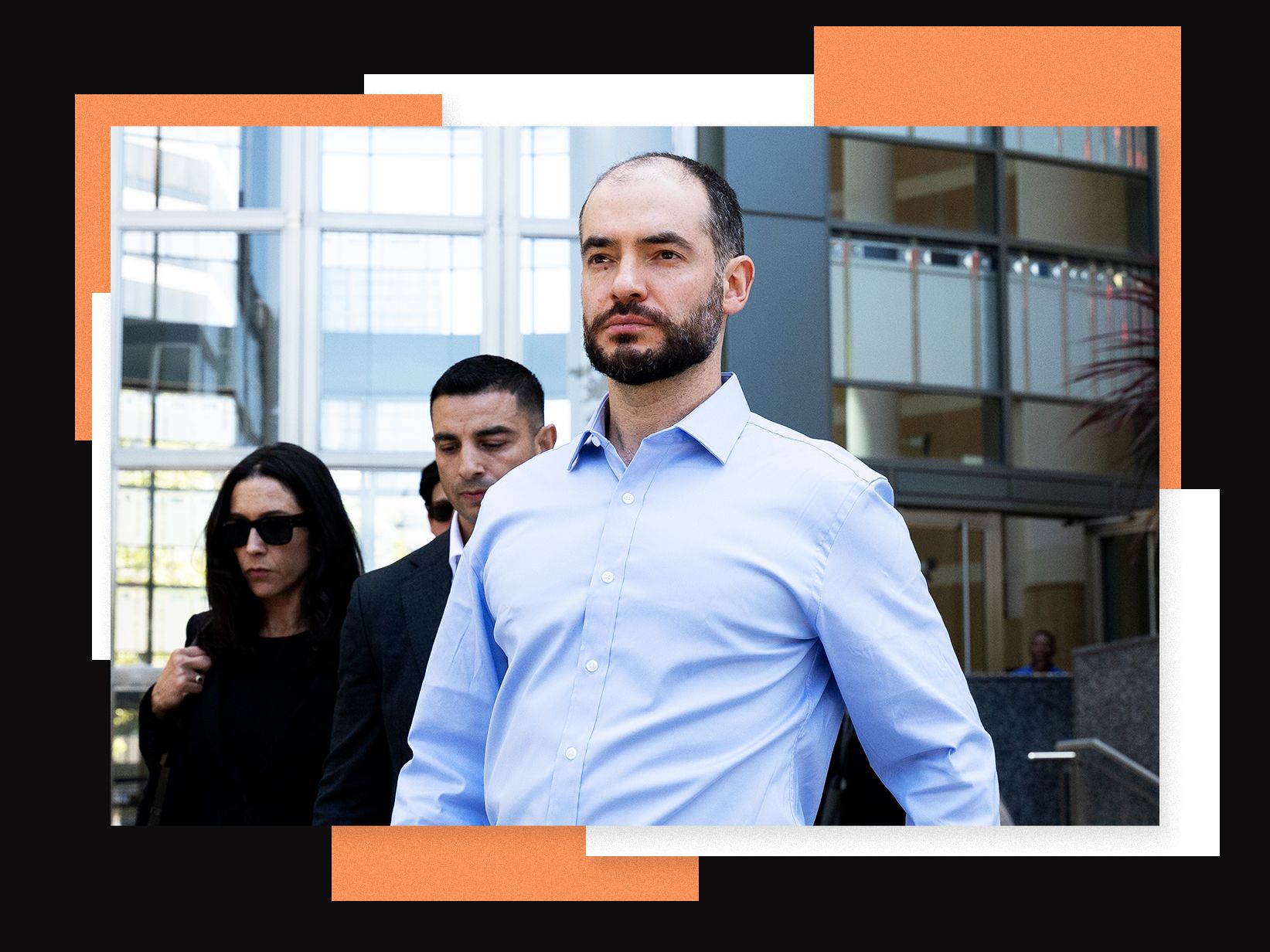
In court, Sutskever’s calm demeanor contrasted sharply with the gravity of his admissions. His testimony highlights a growing tension between scientific ambition and the practical realities of scaling AI research. Key points emerging from this dynamic include:
- The Dismissal of Superalignment: The team focused on long-term safety and ethical AI development was disbanded after Sutskever’s departure. This signals a decisive shift toward short-term commercial goals.
- Critique of Board Dynamics: Sutskever criticized the speed and transparency of decision-making, exposing deep fractures within OpenAI’s governance structure.
- Musk’s Strategic Positioning: His testimony bolstered Elon Musk’s claim that Altman lacked a clear vision for the organization’s long-term trajectory, framing the ouster as a necessary intervention rather than a power grab.
The Broader Implications for AI Governance
The outcome of this trial will test whether AI labs can successfully balance rapid innovation with strict accountability. Sutskever’s perspective—rooted in scientific rigor yet tempered by disillusionment—serves as a cautionary tale about the risks of conflating technological progress with responsible leadership.
His insistence on preserving "the right direction" underscores a universal challenge for the industry: ensuring that breakthroughs serve humanity without sacrificing oversight or ethical standards. As legal arguments unfold, this case offers a rare glimpse into how power, money, and ideology intersect in shaping the future of artificial intelligence.
Sutskever’s journey—from co-founder to critical witness—mirrors the broader struggle to define what "progress" means when competing interests collide. The world watches not just for legal closure, but for lessons on sustaining trust in an age of rapid technological change. Ultimately, true innovation requires more than technical prowess; it demands frameworks that align financial incentives with societal benefit. Without such alignment, even the most ambitious projects risk losing their way.