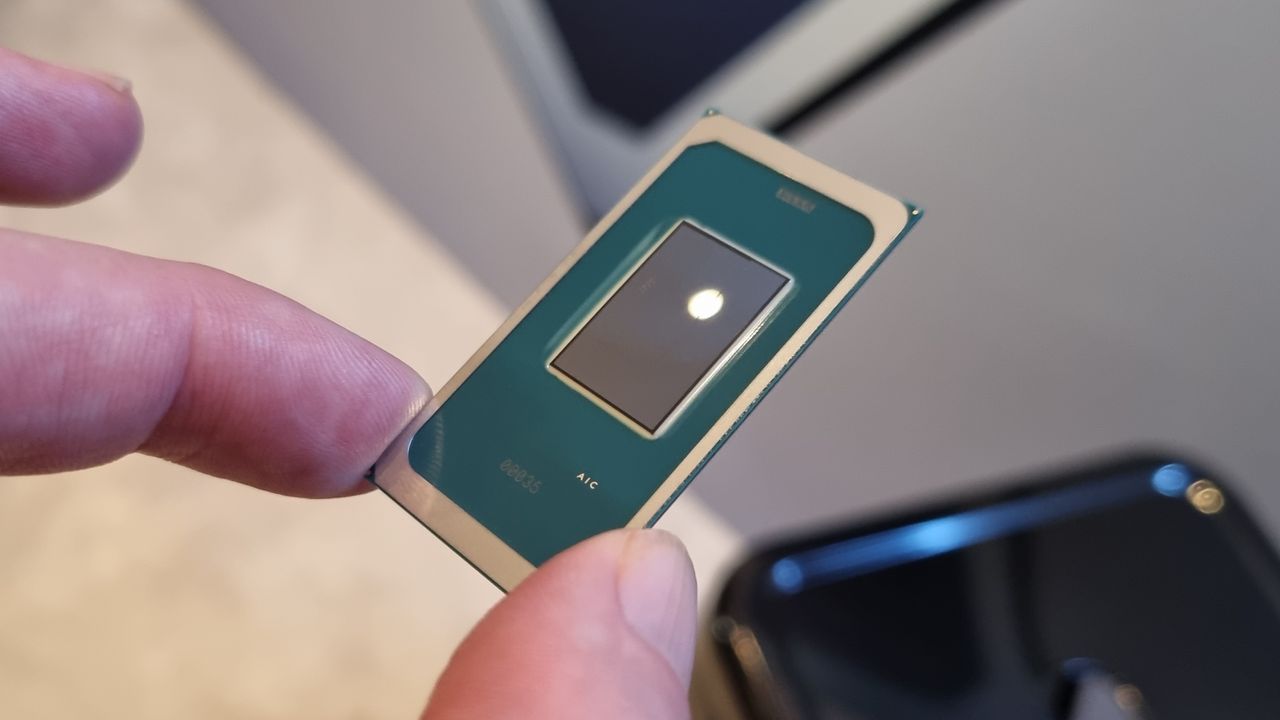
Intel's 18A-P Chipmaking Process Enters Risk Production
Intel's 18A-P chipmaking process has officially entered risk production, a key step before full-scale manufacturing. This advancement promises 9% improved CPU performance for the same power consumption, offering a glimpse into the future of more efficient and powerful processors. The 18A-P process is a variant of Intel's 18A node, which is currently used to manufacture Panther Lake chips for laptops. The new version is said to be backwards compatible, meaning it can be implemented without requiring significant changes to existing fabrication plants or chip designs.
Key Improvements of Intel's 18A-P Process
According to slides shared by Hardwareluxx, the 18A-P process brings several notable improvements:
- 18% lower power consumption at the same level of performance.
- 9% performance boost at the same power level.
- 20–40% improved thermal resistance, which can help in managing heat more efficiently.
- 10–30% better Via resistance at performance-critical layers, reducing potential performance bottlenecks from backside power delivery.
These enhancements are achieved through a combination of thinner handling wafers, new materials, and optimized EDA tool flow, which collectively improve thermal conductivity and overall chip efficiency.
Potential Applications of 18A-P
While the 18A-P process is currently in risk production, it may not be used immediately for the existing Panther Lake chips, which are already in full production. However, it could be deployed in future product lines, such as a Panther Lake refresh or Intel's upcoming Nova Lake desktop chips. The latter would benefit significantly from the improved power efficiency and performance, especially for more power-hungry desktop CPUs.
There's also speculation that the 18A-P process could be timed well for an Intel-Nvidia collaboration on future chips, potentially offering even greater benefits for gaming and handheld devices. As the process moves closer to mass production, we can expect more details about its impact on future Intel products.