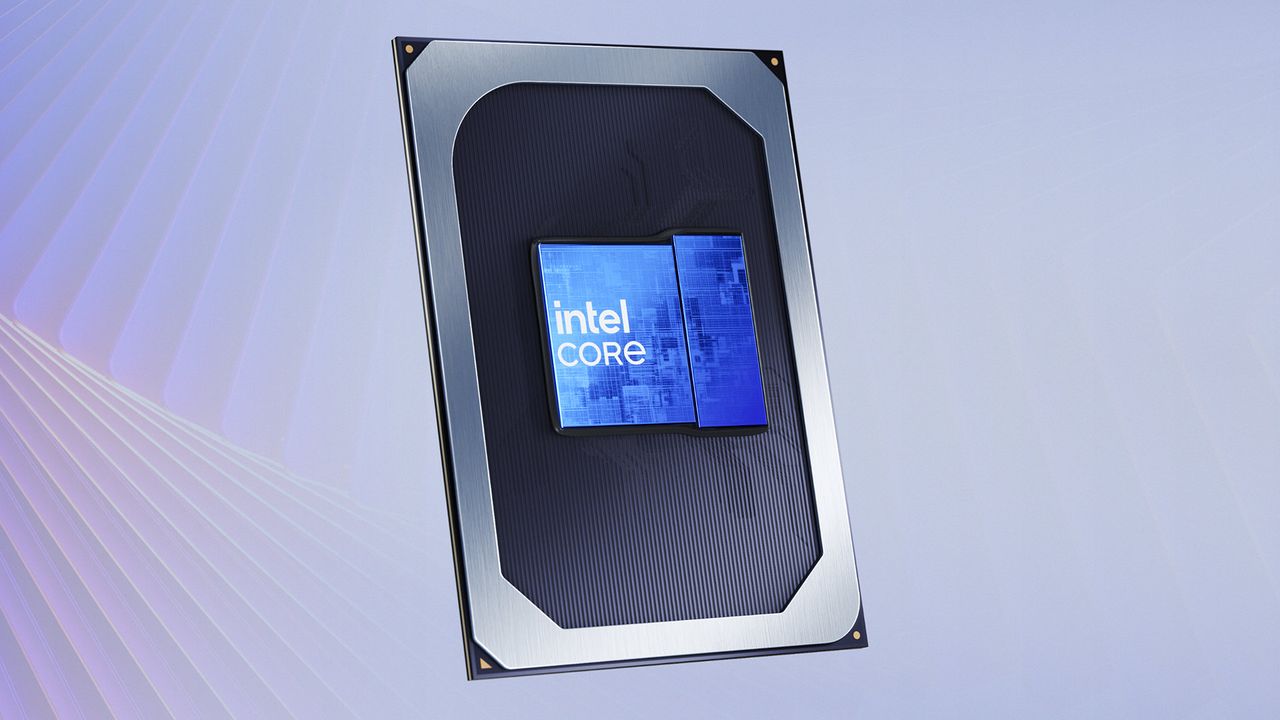
Following the launch of the Panther Lake mobile architecture last October, Intel is expanding its lineup with a new, scaled-down offering. The newly announced Wildcat Lake (WCL) architecture brings the efficiency of Panther Lake to a much smaller package. Officially branded as the Core Series 3—notably omitting the "Ultra" moniker—these chips are designed for a specific niche rather than high-end enthusiasts.
Scaled-down architecture for everyday tasks
The Core Series 3 processors utilize the same fundamental building blocks found in Panther Lake (PTL), including Cougar Cove P-cores and Darkmont E-cores. However, the core counts have been significantly reduced to prioritize efficiency over raw power.
To understand the scale of these "kitten-sized" chips, consider the following comparison:
- Core 7 360: Features only two P-cores and four E-cores (6 threads total).
- Core Ultra X7 358H (PTL): Features four P-cores, eight E-cores, and four Low Power E-cores (16 threads total).
Because of this reduced thread count and a limited controller tile with only six PCIe lanes, these processors are not intended for high-end gaming rigs. You are unlikely to find a Wildcat Lake chip paired with a discrete GPU; instead, they are built for lightweight, integrated performance.
Targeting the budget and business sectors
Intel is positioning the Wildcat Lake lineup specifically for the entry-level notebook market and enterprise productivity. While the integrated graphics are modest—offering at most two Xe cores—Intel claims the efficiency gains are substantial.
According to Intel, users can expect:
- Up to 2.1x faster creation and productivity tasks.
- Up to 64% lower processor power consumption.
- Up to 2.7x AI GPU performance compared to previous generation Intel Core 7 150U processors.
The primary goal here is "all-day battery life" for users who prioritize mobility and standard office applications over heavy graphical workloads.
Market challenges and competition
Despite the efficiency claims, several hurdles remain for the Core Series 3. The manufacturing of Intel's latest multi-tiled processors is inherently more expensive than the monolithic chips produced by competitors like AMD and Qualcomm. When combined with rising costs for DRAM and flash memory, budget laptops may not be as affordable as consumers hope.
The real test for Wildcat Lake will be its performance in the face of fierce competition:
- Enterprise Adoption: Will businesses upgrade to WCL-based hardware given the current economic climate?
- Apple Competition: Can these chips compete with the MacBook Neo, which enters the market at a competitive $599?
If Intel can deliver superior battery life and performance that justifies a higher price tag, they may find a home in the professional sector. Otherwise, these small but capable chips might struggle to gain traction in a crowded market.