The Heartbreak Behind "The Last of Us Online" Cancellation
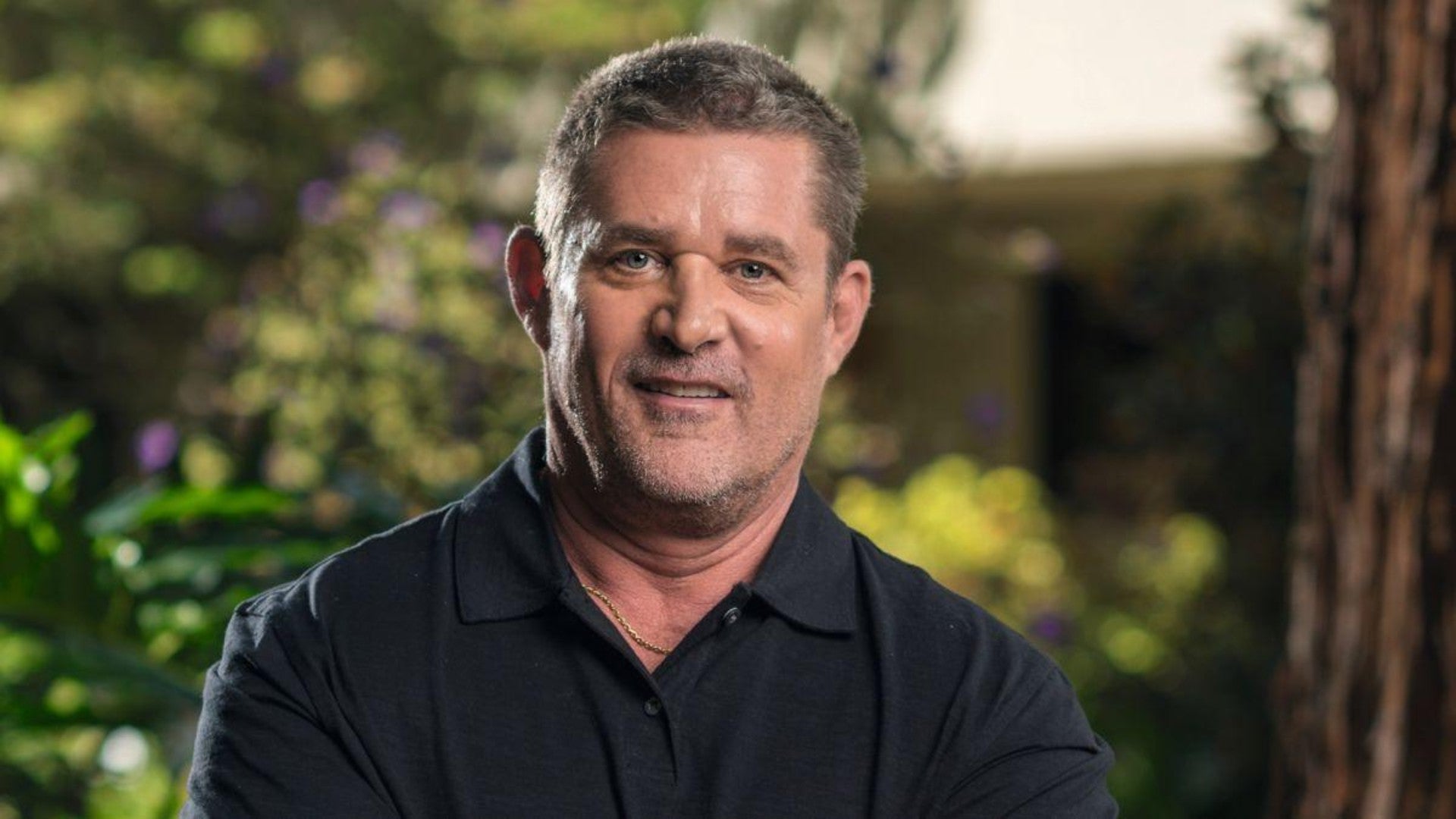
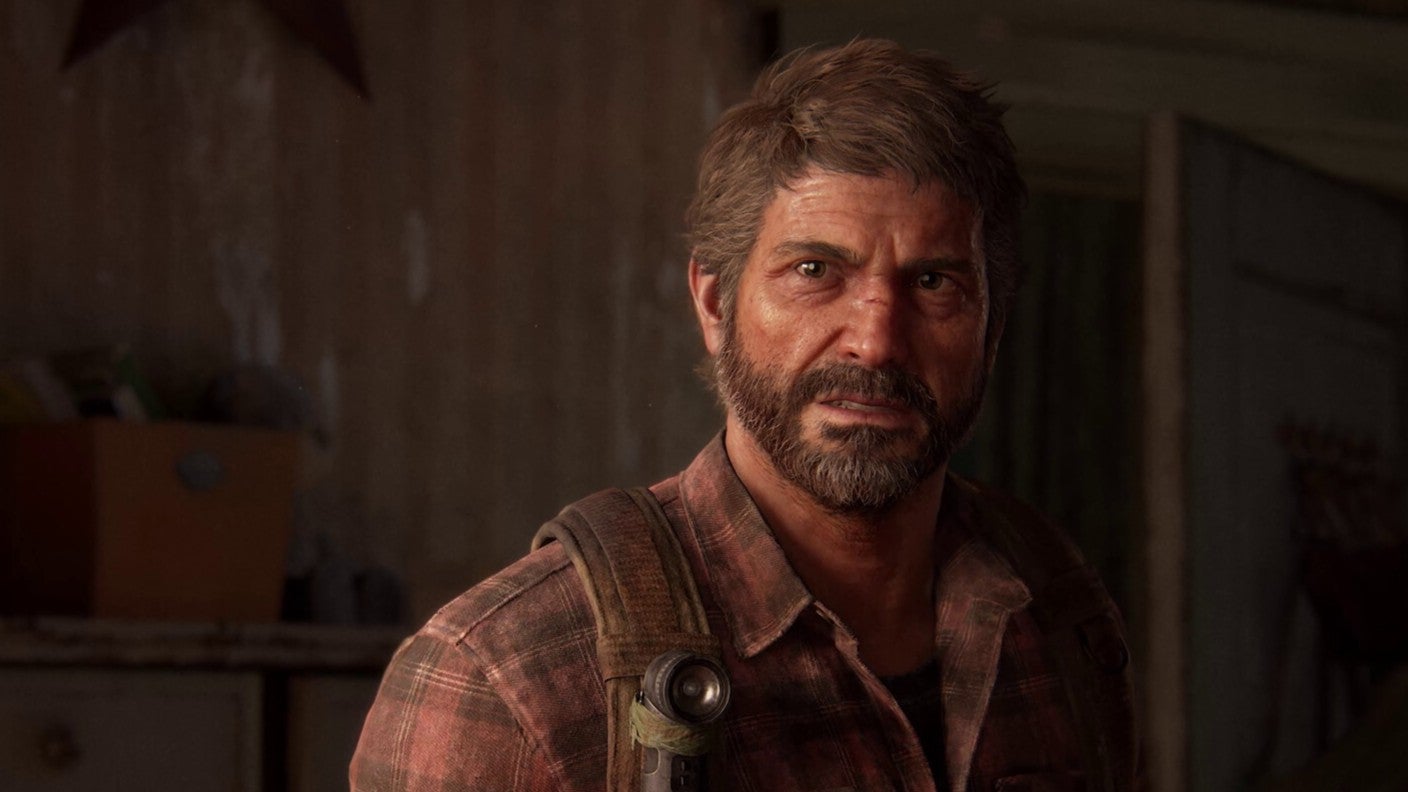
The landscape of live-service gaming shifted violently between 2020 and 2024, transforming a period of unprecedented investment into one of the most aggressive cost-cutting eras in modern history. At the center of this storm is The Last of Us Online, a project that reached approximately 80% completion before its sudden termination in December 2023. The director behind it, Vinit Agarwal, has finally broken his silence to reveal the harrowing reality: he only learned of the cancellation 24 hours before the public did. This devastating delay was a calculated corporate move that left him and his team with no time to process the loss of their seven-year labor.
Agarwal described the emotional toll as "soul crushing," emphasizing the cruelty of having your life's work erased just when it was on the verge of launch. The project, which began as an experimental spinoff under Neil Druckmann's leadership, was sacrificed to secure resources for Naughty Dog's next narrative masterpiece, Intergalactic: The Heretic Prophet. Agarwal detailed these events during an interview on the Lance E. Lee Podcast from Tokyo, highlighting a professional and emotional struggle he found impossible to articulate until now.
Why Live-Service Failed: The Economics of Cancellation
The trajectory of The Last of Us Online mirrors the broader industry's volatile relationship with live-service commitments during the post-pandemic era. In 2020, lockdowns drove record engagement numbers, flooding publishers with capital and prompting a strategic shift toward online multiplayer experiences as the primary revenue driver. Naughty Dog embraced this trend by greenlighting an experimental project that would eventually evolve into a robust online ecosystem. Vinit Agarwal joined the studio in 2014, spending nearly seven years steering the initiative from concept to a near-shippable state.
However, as the world returned to normalcy, player retention rates plummeted and the economic climate tightened. Sony was forced to reassess its aggressive live-service portfolio, leading to a difficult binary choice for Naughty Dog's leadership:
- Continue pouring resources into a multiplayer title that required years of post-launch support with uncertain ROI.
- Pivot entirely to ensure the survival and success of their flagship single-player narrative legacy.
The decision was not born of a lack of quality or vision; rather, it was a strategic necessity to protect the studio's core identity. The leadership calculated that sustaining The Last of Us Online would jeopardize the development of future projects like Intergalactic: The Heretic Prophet. Even though early prototypes received positive feedback and the team believed they were defining the studio's future in the co-op space, the projected ROI for live-service games collapsed rapidly as disposable income decreased.
A 24-Hour Window to Grieve a Seven-Year Dream
The human cost of this corporate decision is best illustrated by the timeline surrounding the announcement of The Last of Us Online's cancellation. Agarwal learned of its fate only one day before the official press release went out, a timing designed by Sony to control the narrative and manage public relations fallout simultaneously with their new single-player direction. To find out that your life's work is being scrapped just 24 hours before the world knows, while maintaining professional composure for the team, creates a specific type of trauma.
Agarwal noted that the pain was compounded by the knowledge that the game had significant potential and was close to done after years of iteration, design, and coding. The cancellation felt particularly cruel because it occurred so late in the cycle, effectively erasing seven years of effort overnight. This "soul crushing" moment forced him to navigate a professional crisis without time for preparation or mourning, leaving a legacy that exists only as a memory and unfinished assets.
Leaving Naughty Dog: Reclaiming Creative Agency
The emotional weight of the situation is further highlighted by Agarwal's departure from Naughty Dog shortly after the shutdown. He established his own studio in Japan to reclaim creative agency, seeking an environment where experimental projects can survive beyond initial budgetary assessments. His new venture represents a hope for a different kind of development culture—one that might not sacrifice long-term vision for short-term fiscal prudence.
The industry must now grapple with the reality that the "live service" model has proven to be an unstable foundation for creative risk-taking. Studios are increasingly hesitant to commit resources to multiplayer titles unless they have near-guaranteed longevity, a condition impossible to predict years in advance. As a result, we may see fewer bold experiments like The Last of Us Online, leaving developers and fans alike to wonder what could have been had the economic winds blown differently.