The Indian startup ecosystem has undergone a massive transformation over the last decade, moving from niche ventures to global contenders capable of attracting heavy-duty venture capital. This evolution is driven by market maturity and a surge in investor confidence, particularly in sectors designed to scale with domestic demand. In this high-stakes environment, decisive leadership and visionary execution have become the primary differentiables for founders looking to dominate the market.
The 20-Minute Pitch That Secured $20M
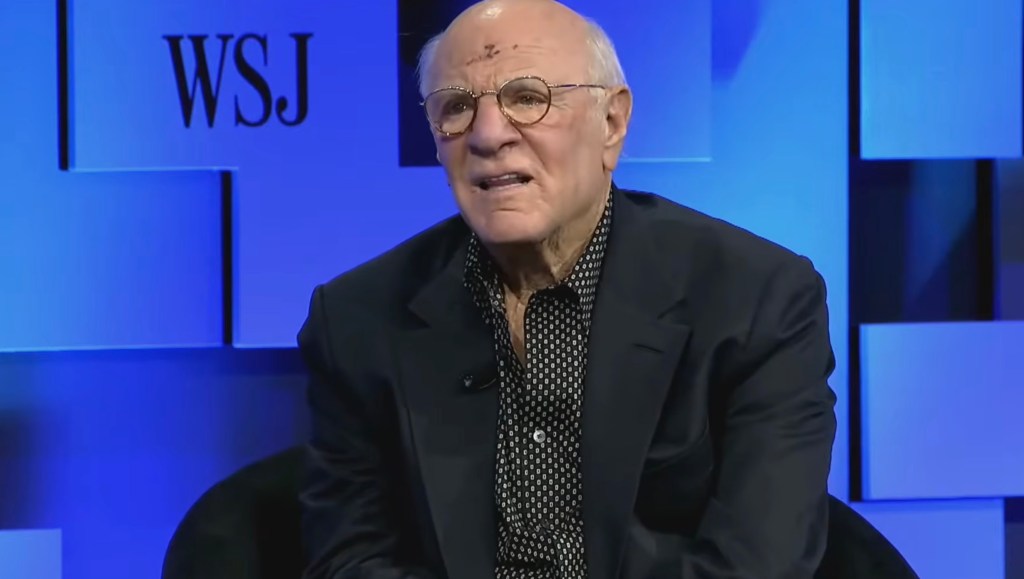
Lachy Groom’s recent endorsement of Pronto serves as a masterclass in the power of concise, founder-centric presentations. In an era of rapid-fire funding, the speed of validation can completely alter a company's trajectory. During a February meeting facilitated by Paul Hudson—the founder of Glade Brook Capital—Groom committed $20 million to Pronto’s Series B round within just 20 minutes of meeting Anjali Sardana and her team. This massive injection of capital has brought the startup's valuation to $200 million.
The investment highlights several key pillars that caught Groom's attention:
- Foundational Ambition: Pronto is working to build the world’s largest platform for organizing domestic labor, targeting a sector historically plagued by fragmentation and informal structures.
- Operational Discipline: Groom specifically noted the team's ability to execute, citing Sardana’s professional background at Bain Capital and 8VC as evidence of high-level strategic thinking.
- Explosive Market Demand: The startup’s user base saw a massive spike, jumping from 18,000 to 26,000 daily bookings in just one month.
Navigating Scaling Challenges and Competition
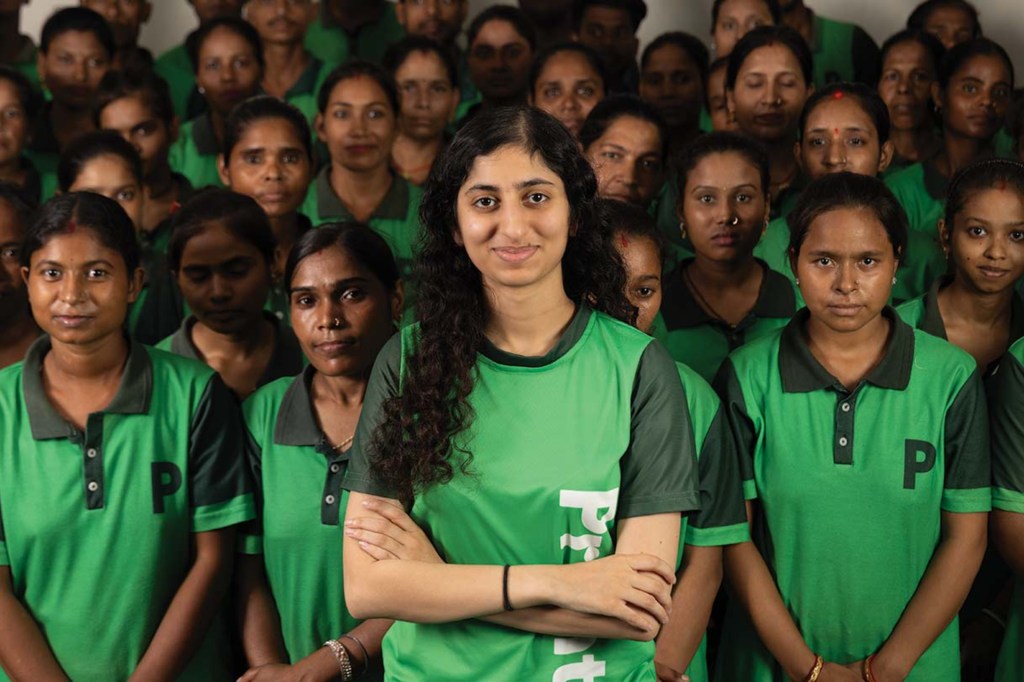
While the Pronto funding news signals massive potential, rapid expansion brings significant operational hurdles. Managing supply dynamics is currently the startup's greatest challenge as they scale their workforce. The platform now supports over 6,500 service workers, a steep climb from its initial 1,440.
To maintain quality during this growth, Sardana is focusing on user retention and habit formation. Data shows that the top 10% of users drive 40% of all bookings through repeat usage. This strategic focus is essential to combat churn in a highly competitive landscape where rivals like Snabbit and Urban Company’s InstaHelp currently control roughly 40% of the market each.
The Future of Indian Instant Home Services
The long-term outlook for the sector remains incredibly bullish. Bank of America projects that the Indian instant home services market could reach a valuation of $15–$18 billion by the end of the decade, fueled by urban households prioritizing convenience above all else.
While Pronto currently holds approximately a 20% market share, its ability to capture long-term value depends on balancing growth with operational efficiency. As the ecosystem matures, the success of execution-driven startups like Pronto will set the benchmark for the next generation of Indian tech unicorns.