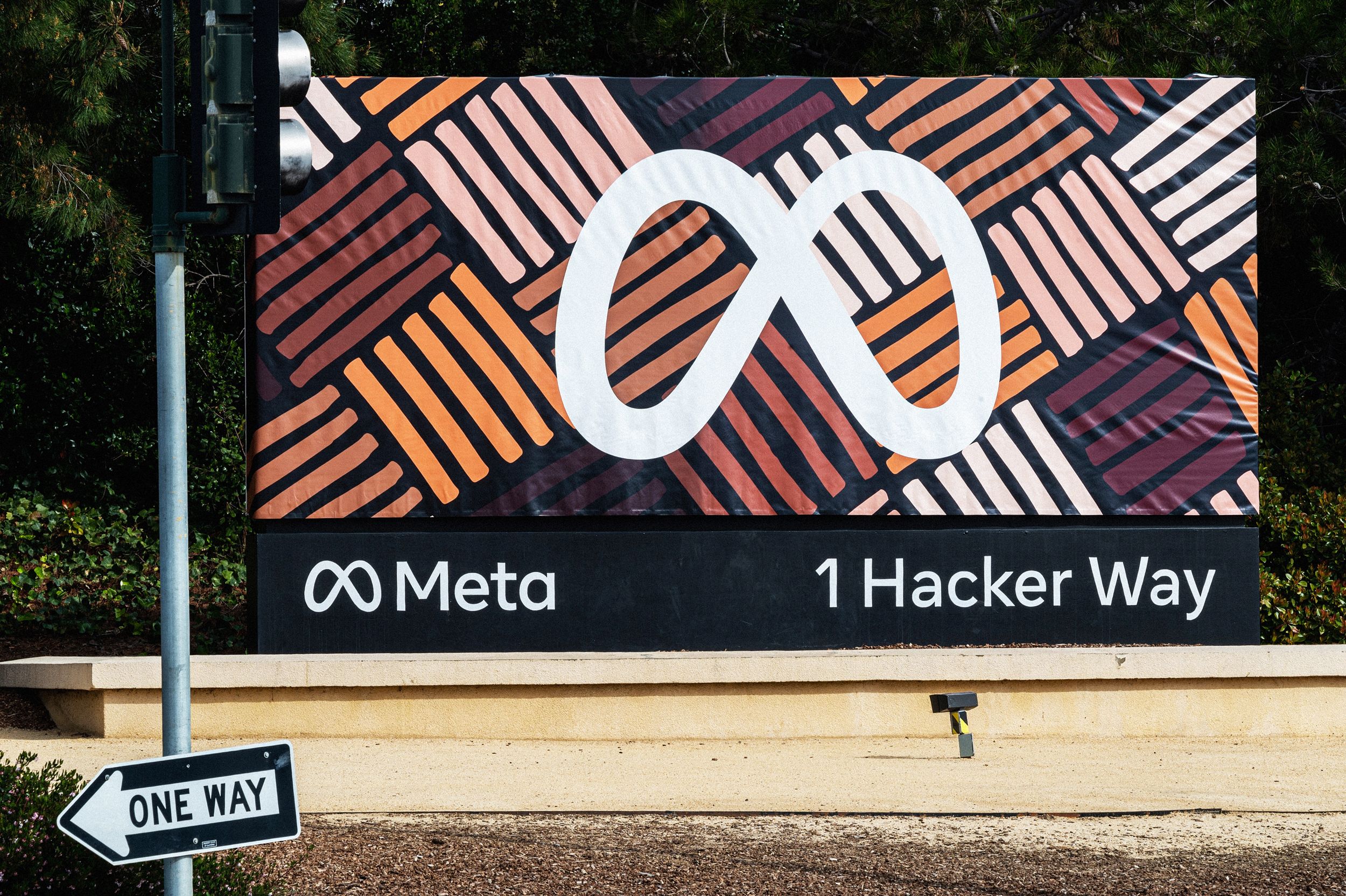
The automation of human intelligence is currently being built on a workforce that may not survive its own success. In Dublin, Ireland, hundreds of workers training Meta’s AI at Covalen—a prominent contractor—are facing imminent job losses as the tech giant pivots toward more integrated, automated systems. This transition represents more than a standard corporate restructuring; it is a visible manifestation of a larger industry trend where the very labor used to refine artificial intelligence is being phased out in favor of the technology it helped create.
The Human Cost of Workers Training Meta’s AI
The work performed by these contractors is fundamental to the safety and reliability of modern large language models. Roughly 500 of the affected workers serve as data annotators, a role that involves auditing AI-generated content against strict protocols designed to block illegal or dangerous material. This process requires humans to navigate the darkest corners of the internet to ensure models remain within ethical bounds.
The psychological toll of this labor is significant and often overlooked in discussions about technological progress. Employees have described a grueling environment where they must spend days simulating harmful personas—including those involving self-harm or illegal content—to test the strength of Meta's safety guardrails. As these models become more sophisticated, the need for such high-intensity human intervention is being reevaluated by the companies funding it.
A Pattern of Instability and Displacement
The current wave of layoffs at Covalen follows a pattern of instability that has left many workers feeling disposable. Recent developments include:
- A reduction in staff following a significant strike and job cuts in late 2023.
- The implementation of a six-month cooldown period, preventing displaced workers from immediately seeking employment with competing Meta vendors.
- An ongoing shift in Meta's strategy to move away from third-party reliance toward internalizing operations.
Meta’s Move Toward Internalized Automation
Meta’s broader corporate strategy suggests that this is not an isolated incident of cost-cutting, but a deliberate move toward infrastructure independence. While the company has framed recent layoffs as part of a "year of efficiency," the underlying movement is toward strengthening internal systems and reducing dependence on external vendors.
This shift aligns with Mark Zuckerberg's stated vision for 2026, where AI will fundamentally transform standard workflows. The irony of the situation is not lost on the workforce itself. The very actions taken by workers training Meta’s AI—providing the "perfect decision" for a model to emulate—are exactly what make their manual oversight redundant over time.
This creates a paradox of progress: as the training data becomes more accurate, the human hand required to guide it diminishes. The industry is currently witnessing a widening gap between the capital driving AI development and the labor force sustaining it. While Meta has announced plans to nearly double its spending on AI technology, the value of workers training Meta’s AI is increasingly measured by how quickly they can be removed from the equation.
The Verdict on Disposable Labor
The situation in Dublin serves as a grim preview for the broader tech ecosystem. As AI models move from experimental stages to foundational infrastructure, the reliance on outsourced, high-intensity human moderation is being replaced by more advanced, automated enforcement.
If the pattern continues, the industry may find itself in a cycle of creating highly specialized labor only to render it obsolete through the very products they help build. The "undignified" nature of these layoffs reflects a growing reality: in the race for AGI, the human workers currently training the machines are being treated as a temporary bridge rather than a permanent part of the architecture.