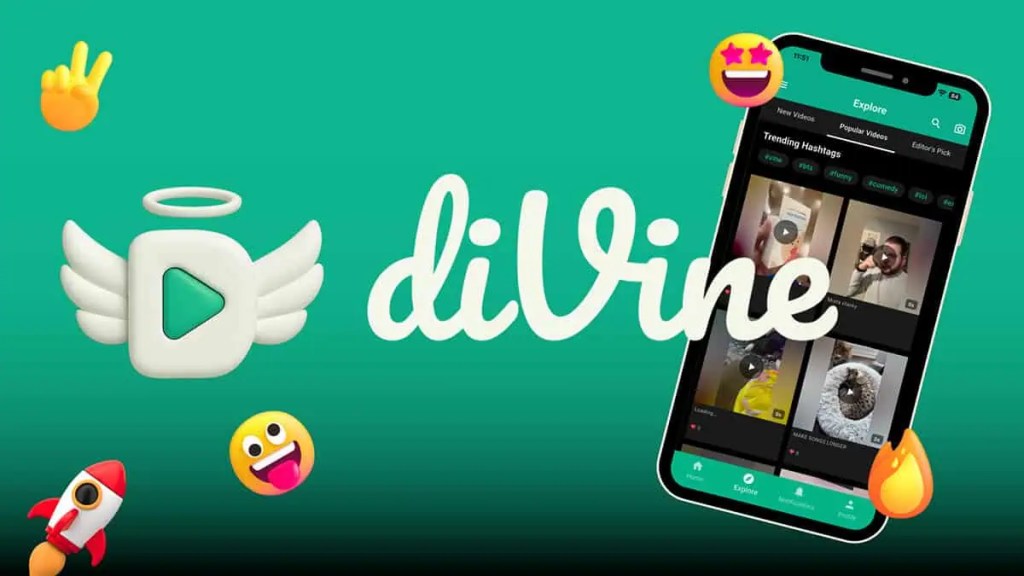
As the Jack Dorsey-backed Vine reboot Divine launches to the public, it aims to reclaim the digital zeitgeist through a fundamental rejection of synthetic mediocrity. This project is designed to resurrect the short-form looping video format that originally made Vine a cultural phenomenon. Supported by Jack Dorsey’s non-profit, "and Other Stuff," the initiative seeks to restore a lost era of internet culture while setting a new standard for content authenticity.
Rebuilding the Digital Archive
The application arrives with significant historical weight, containing a recovered archive of approximately 500,000 videos salvaged from original service backups. This massive restoration effort was led by Evan Henshaw-Plath, known online as "Rabble."
The project required complex big data engineering to reconstruct user engagement metrics and video files from massive, 50 GB binary blobs. The technical challenge was immense, necessitating custom scripts to parse through the fragmented data left behind by the defunct platform.
While community projects like the Archive Team helped preserve much of the original content, reassembling it into a functional modern interface is a different feat. Today's launch restores content from nearly 100,000 original creators, providing a bridge between the "golden age" of six-second loops and a new generation of users.
How the Jack Dorsey-backed Vine reboot Divine combats "AI Slop"
Unlike contemporary giants like TikTok or Instagram, the Jack Dorsey-backed Vine reboot Divine takes an explicit stance against the proliferation of AI-generated content. The developers have positioned the platform as a sanctuary from "AI slop"—the low-effort, algorithmically generated video spam that currently clogs modern feeds.
To maintain a high bar for human creativity, the app employs several strict verification methods:
- Direct Recording: Users are encouraged to record footage directly within the native app environment to ensure a clear chain of custody.
- C2PA Integration: For uploaded content, the app utilizes the C2PA industry standard, which uses metadata to establish the origin and edit history of digital media.
- Compilation Mode: A feature designed for ease of viewing that allows users to curate lists via specific hashtags, such as #cats or #comedy.
By prioritizing human intent over algorithmic generation, Divine attempts to solve the "trust crisis" currently facing social media. The goal is to ensure that when a user interacts with a video, they are engaging with a person rather than a prompt.
Decentralization and the Open Protocol Future
The technical foundation of Divine moves away from the walled gardens of traditional tech giants in favor of open protocols. Currently built on the Nostr protocol, the platform is actively experimenting with integrations for the AT Protocol—the technology powering Bluesky—and potentially the ActivityPub standard used by Mastodon and Threads.
This architectural choice suggests a future where social media is not a centralized service owned by a single corporation, but a distributed network of interoperable nodes. This move toward decentralization is paired with a non-traditional business model.
Operating as a public benefit corporation, Divine lacks a traditional advertising-driven revenue model. While there is discussion regarding "Pro" accounts and Patreon-style direct support for creators, the project's primary driver is the experimental, open-source mission of "and Other Stuff."
The success of this Jack Dorsey-backed Vine reboot Divine remains an open question. While the nostalgia factor is high and the technical vision is robust, the platform must navigate the difficulty of competing against trillion-dollar ecosystems. However, if Divine can successfully leverage its decentralized architecture, it may provide the blueprint for the next era of the social web.