The Core Conflict of Musk v. Alaman
The legal proceedings scheduled to begin on April 27 between Elon Musk and Sam Altman carry implications that extend far beyond a standard corporate dispute. This high-stakes litigation, known as Musk v. Altman, could potentially alter the regulatory landscape for artificial intelligence indefinitely. As the tech industry watches closely, the outcome of this trial may dictate how frontier models are trained, deployed, and monetized in the coming decade.
At the heart of this conflict is a disagreement over mission drift. While OpenAI began as a non-profit entity dedicated to transparent and safe AI development, its recent trajectory toward a more commercialized structure has drawn intense scrutiny from its early architects. Elon Musk’s legal challenge seeks to prove that current leadership under Sam Altman has prioritized profit and closed-source advantages over the altruistic goals that originally defined the organization.
The trial will present a jury with a complex question of corporate intent versus operational reality. If the court finds that OpenAI has strayed from its founding principles, the fallout could trigger a massive restructuring of the company's governance. Such a shift would not only affect OpenAI’s internal hierarchy but could also set a precedent for how other AI research labs balance safety commitments with immense capital requirements.
Legal Precedents and the Future of AI Regulation
The verdict in Musk v. Altman will likely influence how the global community approaches AI regulation. If Musk successfully demonstrates that the current model of development is a breach of trust, we could see a wave of new legislation aimed at enforcing transparency in training datasets and model weights. The decision rests on the broader interpretation of what constitutes a responsible deployment of autonomous intelligence.
The legal arguments will likely hinge on several key technical and ethical pillars:
- Transparency of Objectives: Whether the transition from open-source to closed-weights models violates original developer agreements.
- Safety Protocols: The degree to which commercial pressure has compromised the implementation of rigorous safety guardrails.
- Distribution of Power: How much influence a single corporate entity should hold over technology that could reshape global labor and security.
A ruling in favor of the plaintiff could lead to a more fragmented, decentralized AI ecosystem. Conversely, a victory for Altman would likely solidify the current trend toward massive, centralized, and proprietary AI development. This uncertainty creates a volatile environment for investors and developers as the rules for the next era of computing are written in a courtroom.
Expert Analysis: Join Our Livestream
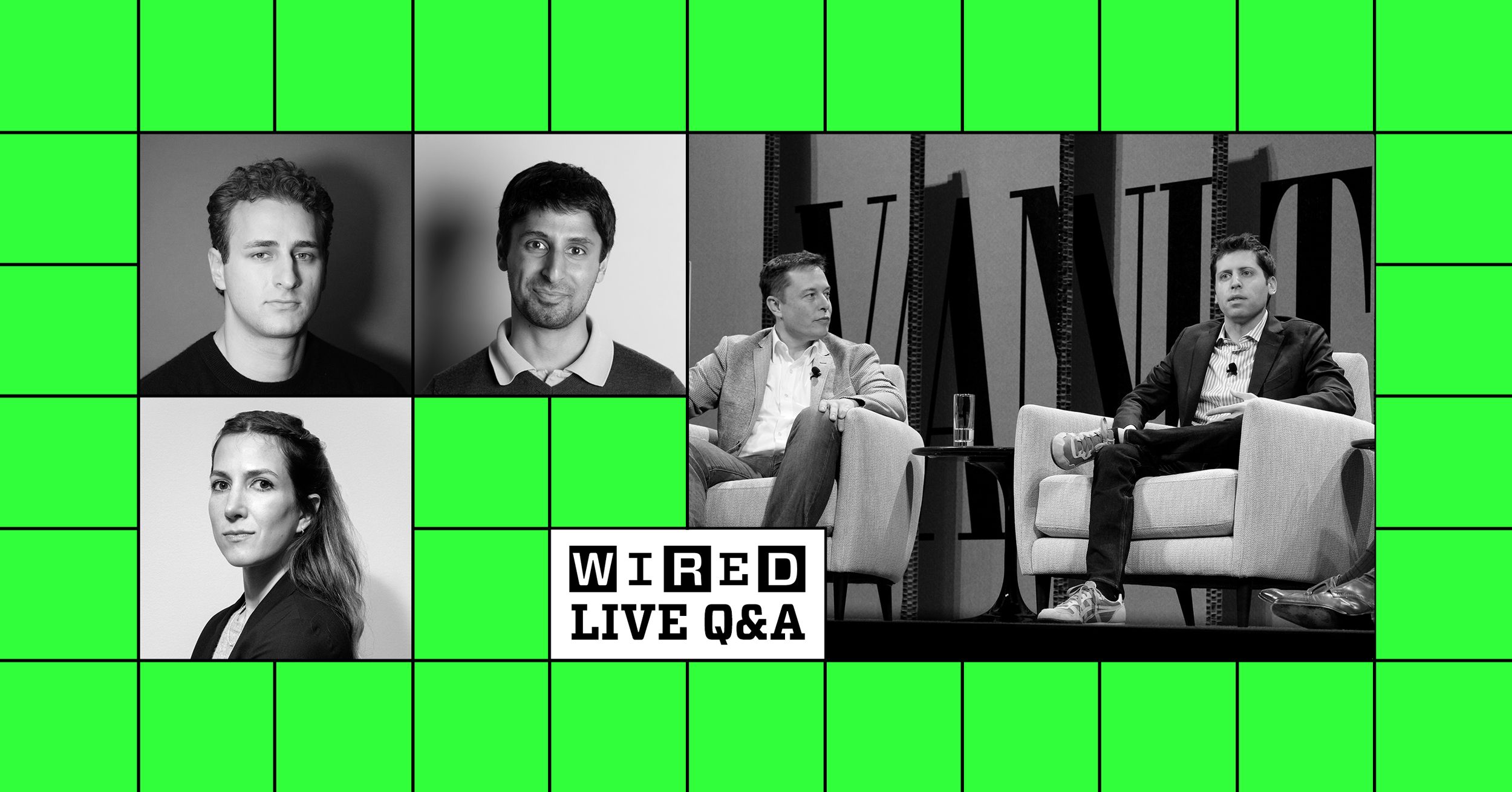
To navigate the complexities of this historic legal battle, a deep dive into the business and technical nuances is required. On May 8, an expert panel will convene to provide a comprehensive breakdown of the trial's developments and its long-term impact on the industry. The discussion will feature seasoned journalists who have tracked the rise of Silicon Valley’s most influential players for years.
The panel will include:
- Zoë Schiffer: A specialist in business and industry oversight, focusing on the intersection of corporate strategy and technological evolution.
- Maxwell Zeff: A leading voice on the business of AI and the creator of the Model Behavior newsletter.
- Paresh Dave: An expert on the inner workings of Big Tech and the societal impacts of large-scale digital infrastructure.
The livestream is scheduled for May 8 at noon ET / 9 PT. For those tracking the evolution of generative models, this session offers a critical opportunity to understand how courtroom decisions shape the automated world of tomorrow. As the industry moves toward an era of unprecedented autonomy, the resolution of Musk v. Altman remains the most significant milestone in determining who truly controls the future of intelligence.