Reactive logistics is an increasingly expensive way to run a business in an era defined by global volatility. As Loop raises $95M to build supply chain AI that predicts disruptions, the San Francisco-based startup aims to move the industry past simple cleanup and into the realm of predictive maintenance. The company is positioning itself as the intelligence layer for a global network that has long struggled with fragmented, inaccessible data.
Transforming Unstructured Data into Intelligence
The core challenge facing modern logistics isn't just a lack of information, but rather the unusable format of existing data. Much of the global supply chain still operates on unstructured data, including PDFs lacking optical character recognition, physical paper trails, and disconnected digital messages that require manual intervention to process.
Loop addresses this by developing a specialized harness designed to coordinate multiple AI models. By utilizing both proprietary in-house developments and frontier models, the company transforms chaos into structured intelligence. This allows customers to identify immediate financial leaks or inefficiencies, such as over-supplying products or mismanaging inventory levels.
While a diagnostic tool can signal that money has already been lost due to shipment delays, Loop is building toward a prescriptive model. The goal is to function less like an annual medical checkup and more like a continuous health monitor. This system provides the "nutrition" and "longevity" required to prevent disruptions before they manifest in the physical world.
The Race for Supply Chain AI Dominance
The $95 million Series C funding round was led by Valor Equity Partners and the Valor Atreides AI Fund. The round saw significant participation from a heavy-hitting roster of Silicon Valley investors, including 8VC, Founders Fund, Index Ventures, and J.P. Morgan's late-stage fund, Growth Equity Partners.
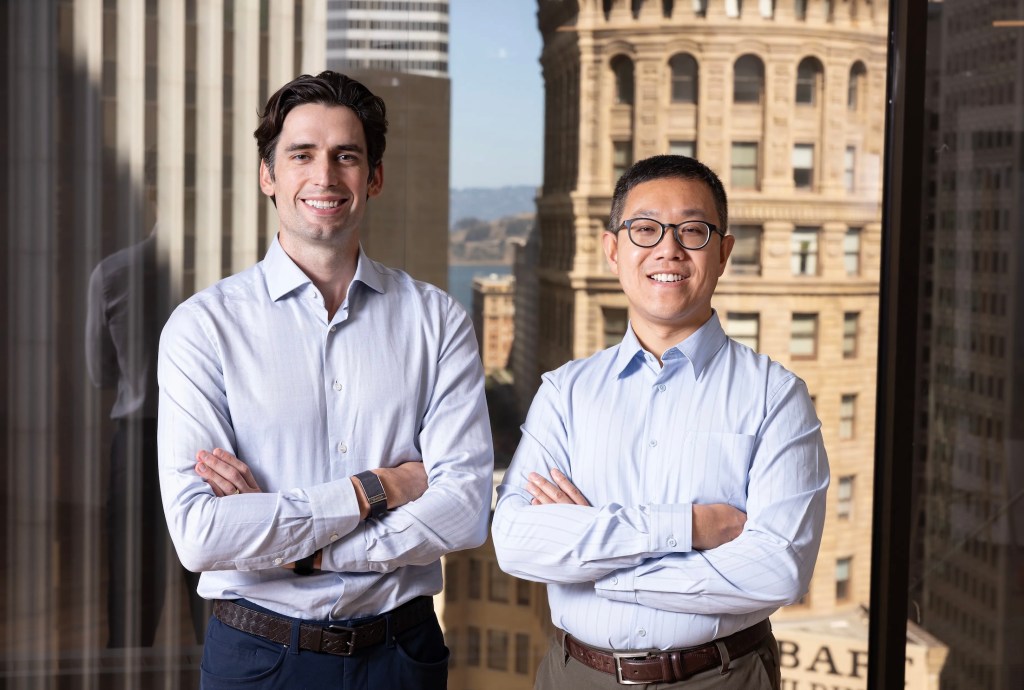
This capital influx comes at a pivotal moment when engineering talent is one of the most contested commodities in tech. Loop founders Matt McKinney and Shaosu Liu, who previously worked together at Uber, have indicated that a significant portion of this new capital will be deployed toward aggressive hiring. The race to automate the supply chain is heating up with several well-funded players:
- Deliverr: Recently secured $85 million to automate tasks for freight shippers and carriers.
- Amari AI: A startup founded by former Google and LinkedIn engineers that recently emerged from stealth to modernize customs brokerage.
- Industry Titans: Established leaders like Uber Freight and Flexport are making significant pivots toward deep AI integration.
The presence of high-profile investors like Antonio Gracias of Valor—a figure closely associated with the rise of xAI—suggests that the industry sees a highly defensible "moat" in Loop’s approach.
Building the Global Intelligence Layer
To achieve true predictive power, Loop is moving toward deep integration with the existing backbone of global trade. The company is actively integrating with Enterprise Resource Planning (ERP) software and Transportation Management Systems (TMS) to ingest data from suppliers, warehouses, and other critical components.
This level of integration allows for a more holistic view of goods movement, turning fragmented data points into actionable intelligence that improves cost structures and working capital. While the rapid advancement of generative AI initially led the founders to believe such technology wouldn't reach a critical tipping point until 2030, the current pace of development has accelerated those timelines.
Rather than viewing this acceleration as a threat, Loop is leveraging the speed of innovation to expand its scope. The verdict on the company's trajectory will likely depend on its ability to scale these integrations across diverse global industries. If Loop can successfully bridge the gap between legacy data and real-time modeling, it may become the standard operating system for modern commerce.