The intersection of generative artificial intelligence and ancient biblical narratives is creating a profound tension between the digital frontier and human history. As Luma launches its AI-powered production studio in partnership with the faith-focused Wonder Project, the industry is witnessing a shift from software provision to full-scale content creation. This new venture, known as Innovative Dreams, aims to use high-end computation to breathe life into historical epics.
The Launch of Innovative Dreams: Luma’s AI-Powered Production Studio
The formation of Innovative Dreams marks a significant pivot for Luma. The company is moving beyond its role as a software provider to become an active participant in the creation of cinematic content. Working alongside director Jon Erwin and the team at Wonder Project, Luma intends to bridge the gap between technical capability and professional storytelling.
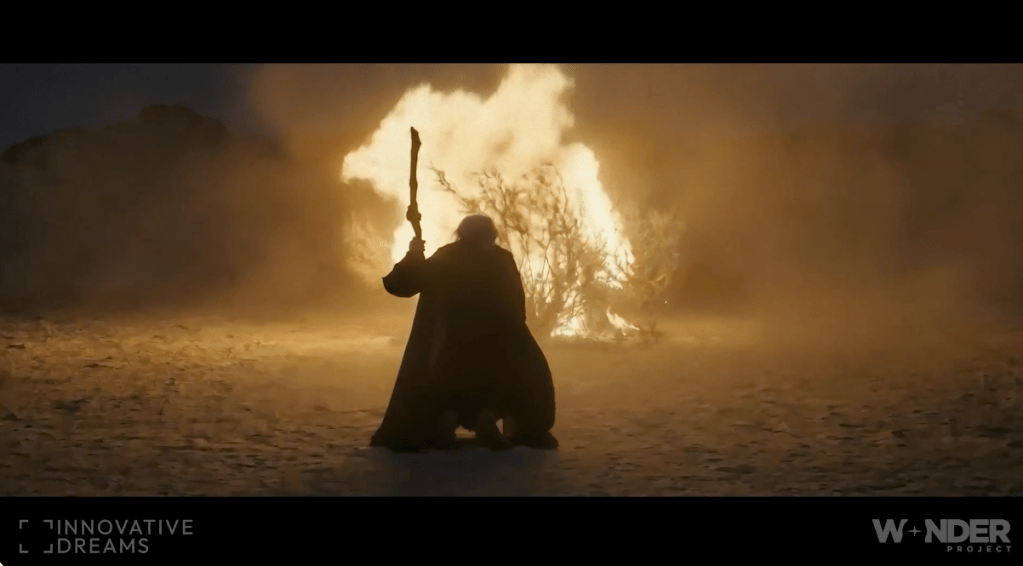
The first major project under this new banner is titled "The Old Stories: Moses." This production features Academy Award winner Ben Kingsley and is scheduled for release on Amazon Prime Video this spring.
This transition from toolmaker to studio mirrors a growing trend in the AI sector. Rather than simply selling subscriptions, developers are beginning to leverage their own technology to build proprietary intellectual property. This shift suggests that the true value of generative AI may lie in creating new production pipelines that bypass traditional industry bottlenecks.
Revolutionizing Cinema with Real-Time Hybrid Filmmaking
At the heart of this partnership is a technical approach known as real-time hybrid filmmaking. This process merges the high-fidelity character work seen in films like Avatar with the reactive environments used in virtual productions, such as The Mandalorian.
By utilizing Luma’s suite of "Agents," the studio intends to manipulate digital elements during live shoots. This reduces the need for lengthy post-production cycles by moving the heavy lifting of visual effects directly into the production phase.
Utilizing Luma Agents for Instant Visual Effects
Luma Agents are designed to handle end-to-end creative workflows across various media formats. These tools provide filmmakers with unprecedented control over every frame through several immediate interventions:
- Real-time lighting adjustments to match physical performances with digital environments.
- Instantaneous prop and set modifications to alter narrative context without re-shooting.
- Dynamic character skinning, allowing an actor's movements to be mapped onto different facial structures.
- Seamless integration of human footage into photorealistic, AI-generated landscapes.
A Disruptive Economic Model for Hollywood
The economic implications of this technology are already impacting the established studio system. Luma CEO Amit Jain has highlighted the skyrocketing costs of modern filmmaking as a primary driver for adopting AI. He argues that generative tools can maintain high production values while significantly slashing budgets.
This sentiment is echoed by competitors like Runway, whose leadership has proposed using AI to produce dozens of mid-budget films for the cost of a single blockbuster. We are seeing a wave of these "production-first" ventures, including moves by Higgsfield and London-based Wonder Studios.
As these companies begin to claim ownership of the stories told on screen, the boundary between tech platform and movie studio will continue to dissolve. The success of "The Old Stories: Moses" will serve as a critical litmus test for this workflow. If Luma can deliver a high-fidelity epic without traditional VFX overhead, the template for the next generation of filmmaking will be set.