MacBook Neo vs. MacBook Air: Which One Should You Buy?
A staggering $500 price gap separates two laptops that share the same chassis DNA yet occupy entirely different tiers of utility. The paradox lies in how the more expensive MacBook Air often serves as the superior daily driver, while the budget-friendly MacBook Neo, despite its lower cost and playful aesthetics, introduces compromises that can degrade a professional workflow. This pricing structure creates a deceptive illusion where savings come at the direct expense of critical performance metrics like memory capacity, port versatility, and long-term reliability. When deciding between these two machines, understanding where each falls short is essential for making the right choice in the MacBook Neo vs. MacBook Air debate.
The Usage Threshold: When to Skip the Premium Option
The most effective way to distinguish between these two machines is not by comparing specifications in isolation, but by evaluating the duration and intensity of daily use. For a user sitting in front of the device for eight hours straight, managing complex spreadsheets, or running multiple virtual environments, the MacBook Air is the only viable choice. The Neo's 8 GB of unified memory acts as the system's primary bottleneck, unable to sustain heavy multitasking without noticeable sluggishness. Once macOS background processes consume six gigabytes at idle, adding dozens of Chrome tabs and video streams pushes the device to its breaking point.
Conversely, if the laptop is intended for secondary use cases—such as evening browsing, weekend travel, or a dedicated student device—the MacBook Neo presents a compelling value proposition. It excels in scenarios where power demands are low but portability and design appeal remain paramount. Parents purchasing a machine for high school students will find the Neo's robust build and lower price tag ideal, provided they do not expect it to handle demanding creative software.
Hardware Realities: Memory, Ports, and Display Fidelity
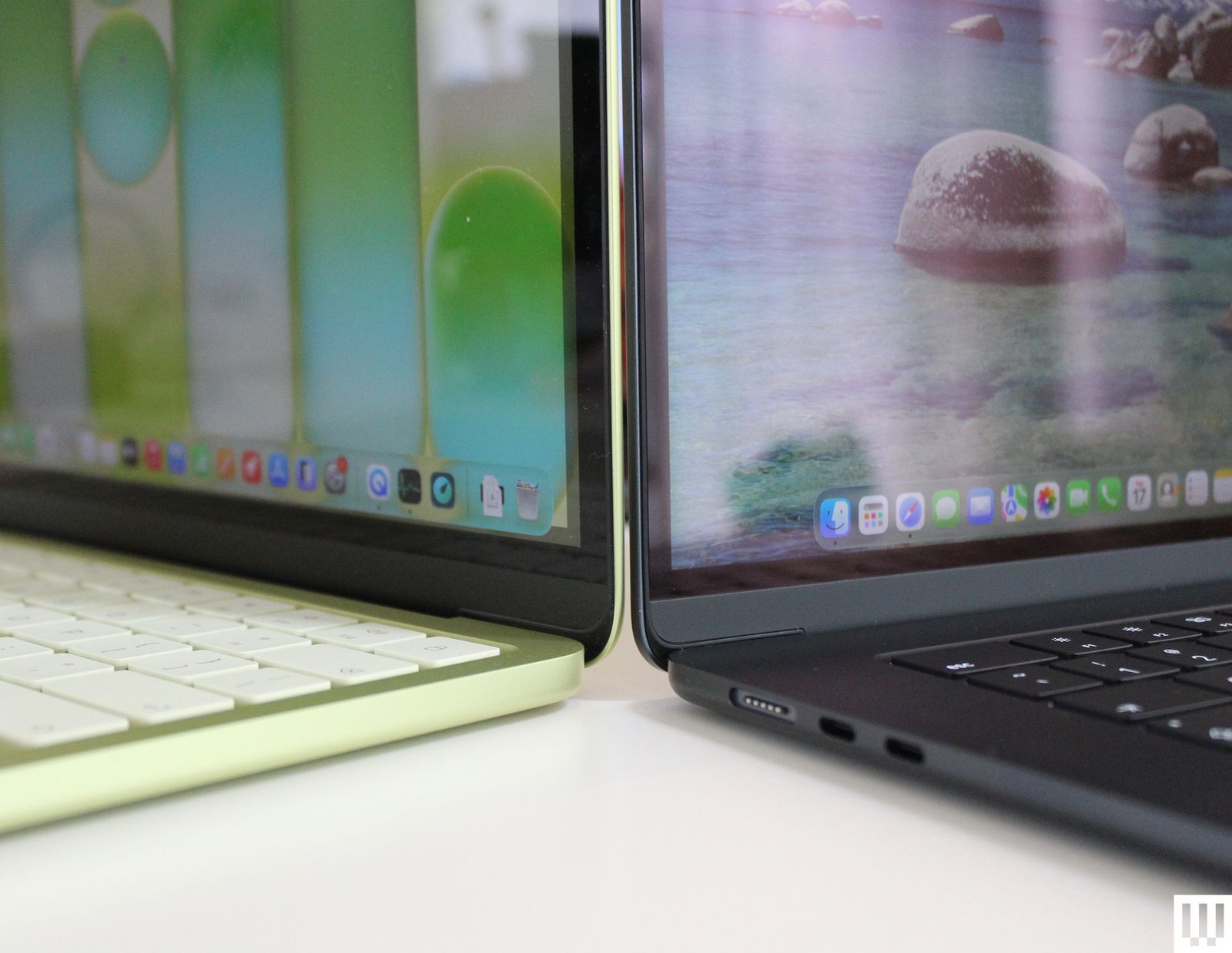
Beyond the raw silicon differences between Apple's A18 Pro chip in the Neo and the M5 in the Air, the physical connectivity and storage architecture tell a starker story about intended use. The Neo utilizes an iPhone-derived processor that lands somewhere between the M1 and M2 in terms of capability, yet it lacks the upgrade path for memory that defines the modern Mac experience. This restriction extends to its I/O capabilities, where one USB-C port is limited to the archaic USB 2.0 standard, creating a frustratingly slow bottleneck for external drives.
The disparity becomes even more pronounced when examining display connectivity and audio fidelity:
- The MacBook Air supports dual 5K displays or two 4K monitors at 144 Hz, whereas the Neo is strictly limited to a single 4K panel.
- Internal storage speeds on the Air are significantly faster, ensuring snappier application launches and file transfers compared to the Neo's more modest SSD performance.
- Audio systems differ substantially; the Air features a four-speaker setup with dedicated tweeters and woofers, while the Neo reverts to a standard stereo configuration that lacks the same acoustic depth.
Design Quirks and Long-Term Value
Even the user interface elements diverge in meaningful ways. The MacBook Neo eschews the controversial notch found on other recent MacBooks, opting for rounder edges and a palette of playful colors like Citrus and Indigo. However, this design freedom comes with trade-offs: only the upgraded model includes Touch ID, forcing base-model users to type passwords manually. Furthermore, the trackpad on the Air utilizes haptic feedback for a silent, consistent click across the entire surface, whereas the Neo relies on a mechanical switch that can produce audible clicking noise along the edges.
While the MacBook Neo is undeniably an attractive purchase for those seeking a budget-friendly entry into the Apple ecosystem, it requires a level of discipline regarding multitasking and peripheral usage that most users do not possess. The lack of 16 GB memory options means that as software requirements grow over the next three to five years, the device will likely feel obsolete sooner than its counterpart. In contrast, the MacBook Air with its M5 chip and double the storage offers a level of headroom that justifies the premium price tag for anyone treating their laptop as a primary workstation.
The Final Verdict
For power users, the Air's superior external display support and MagSafe 3 charging port provide essential flexibility that the Neo simply cannot match. The webcam quality also favors the Air, which utilizes a higher-resolution sensor for better low-light performance—a critical detail for modern hybrid work environments. Ultimately, unless the user has a strictly defined role as a secondary device owner or a casual student, the MacBook Air remains the only logical recommendation for a purchase that will remain relevant for years to come.