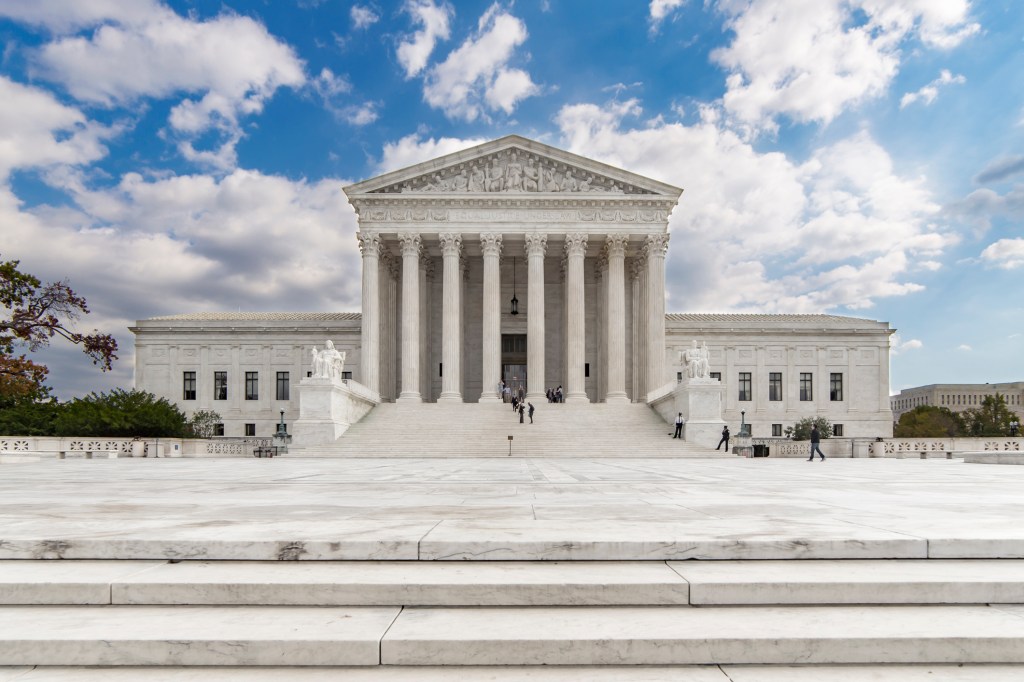
The news that the man who hacked US Supreme Court filing system sentenced to probation has sent shockwaves through the cybersecurity community. This sentencing of Nicholas Moore represents a startlingly lenient response to highly invasive breaches against the highest levels of the American judiciary. While legal systems often distinguish between motivated hackers and state-sponsored actors, this infiltration cannot be dismissed as a minor technical oversight.
A Pattern of Lateral Movement and Systemic Breaches
Moore’s unauthorized activities extended far beyond a single incident. Over several months, he engaged in dozens of separate intrusions into highly sensitive government networks. His methodology relied heavily on the exploitation of compromised credentials, allowing him to move laterally through poorly segmented federal environments.
This case involving the man who hacked US Supreme Court filing system sentenced to probation highlights a fundamental breakdown in the cybersecurity posture of critical agencies. By leveraging stolen information from a single victim, Moore was able to navigate multiple layers of government infrastructure. His targets included:
- The U.S. Supreme Court electronic document filing system
- The network of AmeriCorps, which manages national volunteer programs
- The systems of the Department of Veterans Affairs (VA)
The breach of the Department of Veterans Affairs is particularly egregious given the sensitive nature of the data handled by that agency. When hackers gain access to these systems, they do not just threaten digital integrity; they jeopardize the privacy of individuals who rely on the state for essential services.
The Man Who Hacked US Supreme Court Filing System Sentenced to Probation: Social Media and PII Leaks
Perhaps more unsettling than the technical breaches was the brazen manner in which Moore publicized his exploits. Operating under the Instagram handle @ihackedthegovernment, Moore utilized social media as a platform to boast about his successful penetrations. This behavior highlights a growing trend of "clout-chasing" hackers who prioritize digital notoriety over financial gain or political espionage.
During his period of unauthorized access, Moore did not merely observe; he actively distributed the Personally Identifiable Information (PII) of his victims to a public audience. This reckless dissemination of data turns a technical breach into a permanent compromise for the individuals involved. The psychological impact on the victims, coupled with the long-term risks of identity theft, underscores the damage caused by these ego-driven campaigns.
A Disparity in Judicial Consequences
The legal resolution of this case has sparked debate regarding the efficacy of probation as a deterrent for cybercrime. Despite facing a potential year in federal prison and a massive $100,000 fine in damages, the prosecution ultimately requested only a period of probation. This leniency was met with a plea of remorse from Moore during his sentencing hearing.
Moore stated that he "made a mistake" and intended to be a "good citizen." While the court may have seen value in his expressed regret, the decision leaves a significant question regarding the protection of our digital borders. When an individual can breach the judicial heart of a nation and face no period of incarceration, the deterrent effect on future bad actors is significantly diminished.
The precedent set by the man who hacked US Supreme Court filing system sentenced to probation suggests that as long as the motivation behind a hack is perceived as personal rather than political, the federal response may remain focused on rehabilitation over retribution. For the tech community and the agencies tasked with defending these networks, the takeaway is clear: if we cannot signal that breaching the Supreme Court carries a heavy price, the next "mistake" could be far more devastating.